Best Time to Visit Monteverde
Best time for Monteverde? Dry season (Dec-Apr) for hiking, Feb-Jun for quetzals, and May-Jun for fewer crowds and better prices.
Choose your priority before choosing a tour date: specialist birding, forest ecology and evening wildlife are different outings. Month guidance describes the experience, not live availability.
Booking Choice. Spend three hours birding with a specialist and a high-definition scope. Explore Curi-Cancha Quetzal Search
Monteverde Seasonal Quick Facts
| Dry / Sunny Season | Late Feb – Apr | 20-23°C (68-74°F) | Low (15-50mm/month) | High | Hiking, quetzal, photography |
| Windy Season | Nov – Feb | 14-19°C (57-66°F) | Light mist (pelo de gato) | Medium-High | Atmosphere, rainbows, cool hiking |
| Green / Rainy Season | May – Oct | 17-21°C (63-70°F) | High (200-370mm/month) | Low-Medium | Budget travel, frogs, lush forest |
| Transition (Sweet Spot) | May-Jun & Nov | 18-21°C (64-70°F) | Moderate | Low | Value, quetzal (May-Jun), fewer tourists |
Climate data based on 30-year averages. Verified March 2026.
Is There a Single “Best” Month to Visit Monteverde?
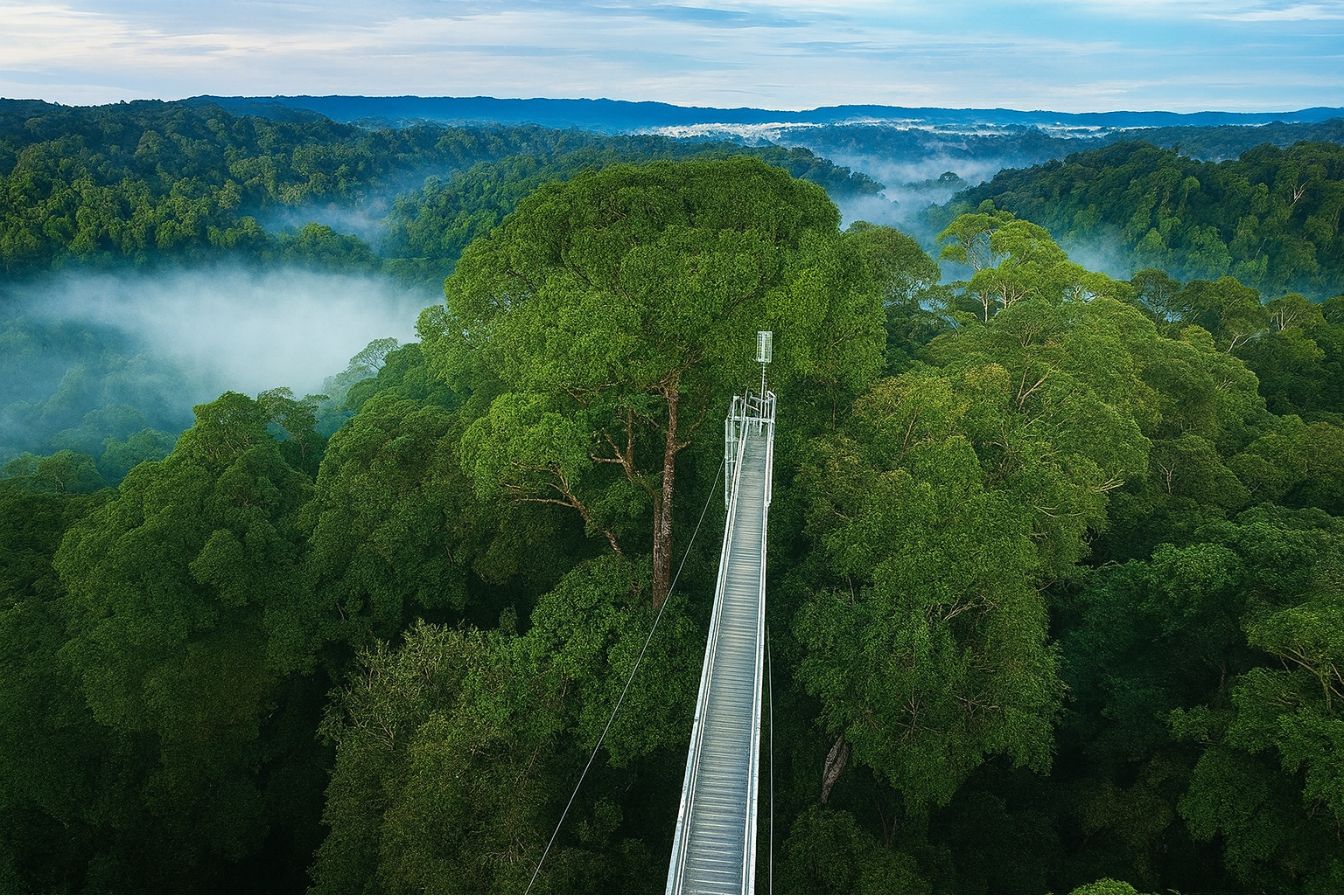 No. And anyone who tells you otherwise is answering the wrong question. The best month depends on what you want from the cloud forest. March gives you the driest trails and the quetzal at peak breeding season but also the biggest crowds and the highest prices. September is almost empty and raw but it is also the wettest month of the year. May and June sit in between, and that is where a lot of experienced travelers end up landing.
Monteverde does not behave like a beach destination, where “best time” simply means sunshine and no rain. The cloud forest is defined by moisture. The mist is not a weather inconvenience – it is the reason the forest exists. Plants here pull water directly from clouds. Orchids grow on branches, not soil. The ecosystem is built around perpetual humidity, and even in the driest months, the trail stays damp and the forest stays green.
What does change, meaningfully, is the intensity of the rain, the temperature, the wind, the wildlife activity, the crowd size, and the price. Those variables interact differently for each type of traveler. A birder targeting the quetzal and a budget traveler who just wants quiet trails and low rates are going to arrive at different answers. That is the whole point of this article.
One thing that does not change: Monteverde is open every month of the year. Both reserves operate 365 days, 7 AM to 4 PM. Night tours run year-round. There is no month you cannot come. There is only a question of what you will find when you get here.
Not sure which season fits your travel style? You can also look at a guided cloud forest walk and line the date up with the month you want.
What Is Monteverde Like in the Dry Season (December to April)?
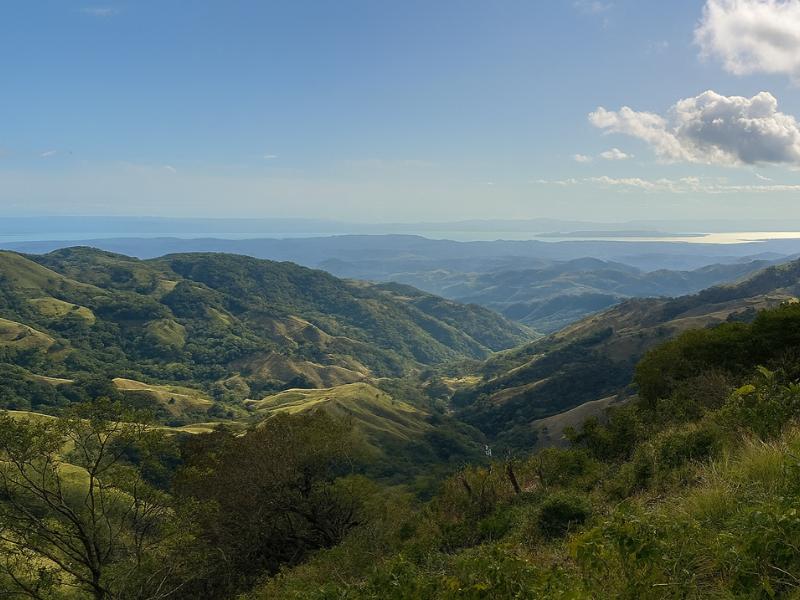
The dry season is the easiest version of Monteverde. Trails are firmer, skies are clearer in the mornings, and the general logistics of being in a cloud forest feel more manageable. This is also peak season: the most visitors, the highest accommodation rates, and the reserve time slots that sell out fastest. Book everything well in advance, especially if you are traveling between Christmas and Easter.
March is the driest month, averaging around 15mm of rainfall over roughly seven rainy days. That sounds like almost nothing, but remember where you are. Even in March, the forest is damp. The continental divide sits overhead, and clouds move through the canopy regardless of what the rain gauge says. A “dry” day in Monteverde is not a dry day at the coast. Pack the jacket regardless.
The dry season is the window that lines up with peak quetzal activity, which is a real draw. From late February onward, breeding season ramps up. Male quetzals begin displaying their long iridescent tail feathers, moving through the canopy near wild avocado trees. By March and April they are at their most visible and most active. A morning guided walk during this window, with a guide who has a spotting scope and knows which trees are fruiting, is when the quetzal experience becomes what the photos promise.
The other thing dry season delivers is the Monteverde Music Festival, which runs through February and draws some of Costa Rica’s best musicians to the region. If cultural events alongside forest visits sound appealing, February ticks both boxes.
We’ve mapped out how to plan a trip to Monteverde Cloud Forest tours based on what actually matters – weather windows, tour reservations, and getting there on those winding mountain roads.
| December | ~184mm | 18-21°C (64-70°F) | High (holiday peak) | Forest lush from rainy season; bellbirds arriving |
| January | ~130mm | 14-19°C (57-66°F) | High | Windy season peak; dramatic rainbows; coatis more visible |
| February | ~46mm | 16-20°C (61-68°F) | High (Music Festival) | Quetzal season begins; coatimundi females with young |
| March | ~15mm | 20-23°C (68-74°F) | Very High (peak) | Quetzal peak; three-wattled bellbird arrives; most sunshine |
| April | ~50mm | 21-23°C (70-74°F) | Very High (Easter) | Quetzal breeding peak; warmest month; butterfly season begins |
Rainfall averages based on 30-year climate data. Verified March 2026.
What Happens to the Cloud Forest During the Rainy Season (May to November)?
The forest gets wilder, greener, and significantly quieter. Rainfall picks up from May onward, peaking in September and October. Afternoon downpours are common, sometimes heavy. But the forest responds: orchids bloom, frogs come out at night in numbers, moss glows deeper green, and the mist sits lower and denser in the canopy. Travelers who come during the green season often describe it as the most atmospheric version of the cloud forest – the one that actually feels like a cloud forest.
What the rainy season is not: closed. Tours run. Reserves stay open. Night walks happen every night. The guides stay out in wet weather because the animals do too. Some of the most memorable sightings we have seen over fourteen years of guiding happen during the rainy season, particularly on night tours when amphibians are breeding and the forest floor is alive in a way it simply is not in January.
The practical trade-offs are real. Trails can get muddy, particularly the upper sections of the Continental Divide Trail. Roads in the surrounding area can become slick. The afternoon is not a great time to hike – plan morning activities and keep afternoons flexible. And some secondary roads, particularly to more remote properties, may require high clearance after heavy rain.
June and July see a mini-resurgence in visitors from the Northern Hemisphere as school holidays kick in, so crowds are moderate rather than low during those months. July sometimes brings a brief dry spell called the “veranillo” – a little summer – with a few days of noticeably better weather before the rains return. If you happen to hit it, the timing feels lucky. But do not plan around it; it is not guaranteed and not predictable.
When Is the Best Time to See the Resplendent Quetzal in Monteverde?
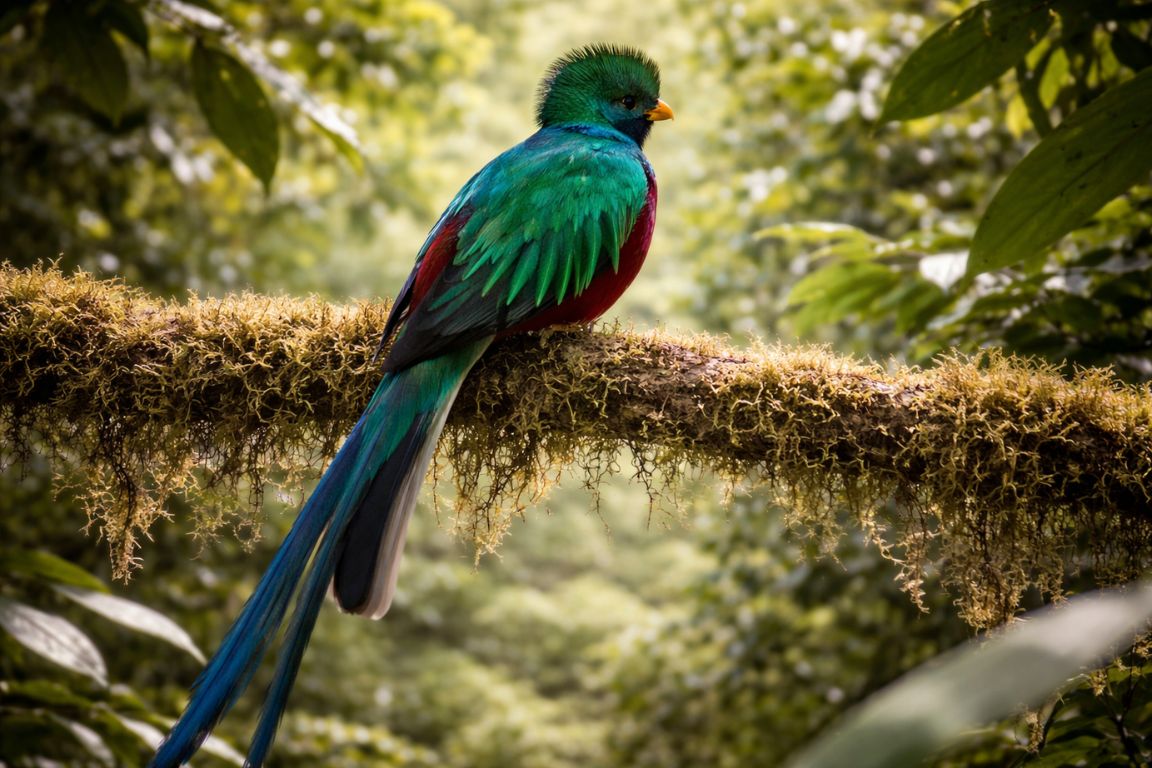 February through June is the window, with March and April the absolute peak. Quetzal breeding season is tied to the fruiting of wild avocado trees – the birds’ primary food source. As the avocados ripen in the cloud forest understory, quetzals move through the canopy more actively, feeding and displaying. A skilled guide with a spotting scope, positioned near a fruiting avocado tree before 9 AM, gives you the best realistic shot at a sighting.
The quetzal is present in Monteverde year-round. It does not leave. What changes is how visible and active it is. Outside of breeding season, the birds are quieter, more secretive, and spend more time in the upper canopy where they are nearly impossible to see without knowing exactly where to look. During March and April, males display their extraordinary tail feathers, make their whistling flight calls, and return repeatedly to the same nesting trees. They become findable rather than just theoretically present.
Curi-Cancha Reserve is widely considered the top quetzal-spotting location in Monteverde during breeding season. It is smaller, quieter, and has a higher guide-to-visitor ratio than the Monteverde Cloud Forest Reserve. The Santa Elena Reserve also produces reliable sightings in season. The Monteverde Cloud Forest Reserve is larger and biologically diverse, but not necessarily the best dedicated quetzal spot because the volume of visitors and the trail structure make it harder to sit quietly near a productive tree.
One insight most blogs do not address: quetzal sightings vary significantly not just by month but by week, depending on which avocado trees are actively fruiting in that specific section of forest. The guides who find them reliably are the ones tracking this week to week. That local knowledge cannot be replicated by a trail map or a booking app.
Curious about what you’ll actually spot? I’ve broken down the animals of Monteverde Cloud Forest so you know which species are common sightings and which ones take serious luck – starting with those famous quetzals.
| Jan | Low-Moderate | Hard | Birds present but quiet; still worth early morning attempt |
| Feb | Moderate-High | Moderate | Season begins; males starting to display |
| Mar | Very High | Moderate | Peak breeding; most active; best overall window |
| Apr | Very High | Moderate | Nesting in full swing; chick feeding activity begins |
| May | High | Moderate | Chicks fledging; still very active; fewer crowds |
| Jun | Moderate | Moderate-Hard | Season winding down; possible sightings especially early morning |
| Jul-Jan | Low | Hard | Present but inactive; guide with scope essential for any chance |
Based on seasonal naturalist field observations. Individual sightings never guaranteed. Verified March 2026.
When Are the Fewest Crowds in Monteverde?
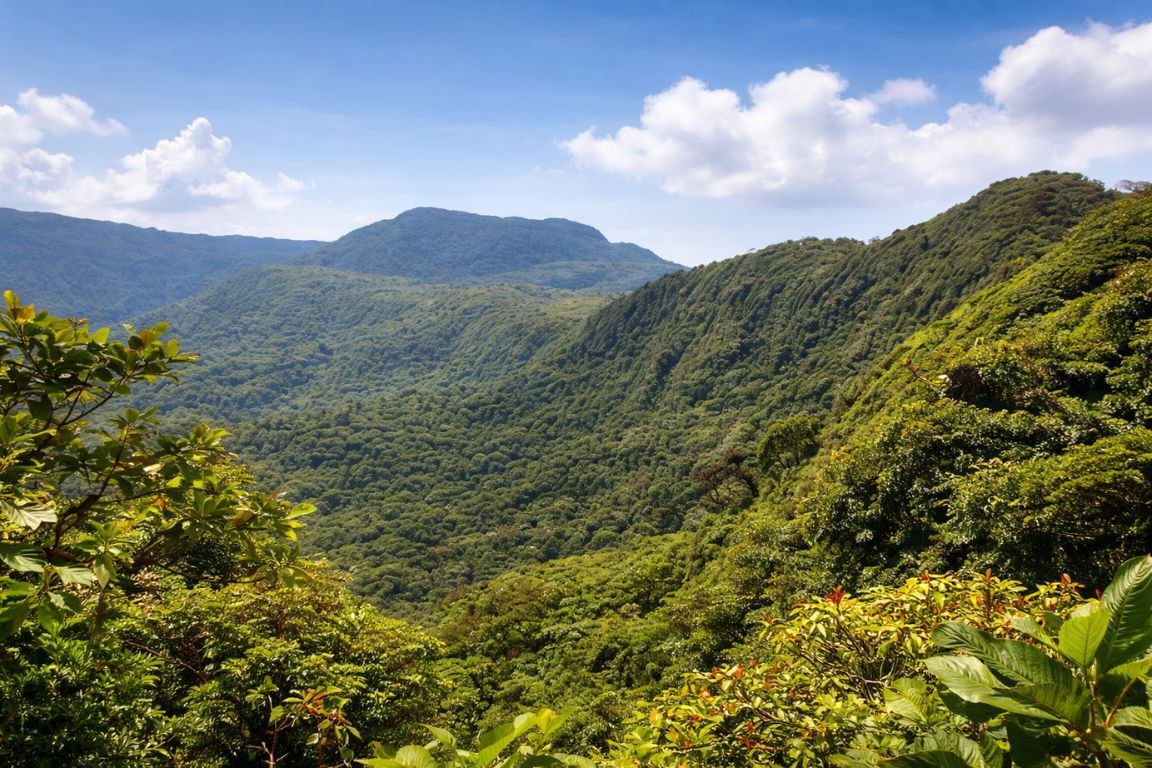 September and October are the quietest months in Monteverde. Tourist numbers drop to their annual low, accommodation prices follow, and you can walk reserve trails in near-solitude. The trade-off is real: these are also the wettest months, and some smaller businesses close during this period due to reduced demand. If quiet trails and a deeply atmospheric forest experience matter more to you than dry weather, September and October deliver something peak season simply cannot.
The second-quietest windows are late April through early May, just as the rains begin but before visitor numbers fully drop, and November through early December, when the rains are tapering and prices have not yet hit holiday peak. Both of these shoulder windows offer meaningful savings and noticeably less crowded trails while preserving most of what draws people to Monteverde in the first place.
One pattern worth knowing: July and August see a modest mid-season peak driven by Northern Hemisphere school holidays and student group tours. If you visit in July and wonder why there are more people than expected for the rainy season, it is the student season. Tour operators specifically schedule school groups for morning natural history walks during these months. If you want quieter trails, book your morning reserve visit for the first slot at 7 AM, before the groups arrive.
Christmas through New Year and Easter week are the absolute busiest periods of the year. International and domestic travelers converge during both holidays. Reserve slots sell out, hotels book up months in advance, and prices for everything spike. The experience is still good, but it requires more planning and costs considerably more.
| Christmas / New Year | Maximum | 2-4 months in advance | $$$$ |
| Easter Week | Maximum | 2-4 months in advance | $$$$ |
| Jan-Apr (general high season) | High | 2-6 weeks in advance | $$$ |
| Jul-Aug (student season) | Medium | 1-2 weeks in advance | $$-$$$ |
| May-Jun (early green season) | Low-Medium | A few days to 1 week | $$ |
| Nov (transition) | Low | Last-minute possible | $$ |
| Sep-Oct (wettest months) | Very Low | Last-minute fine | $ |
Verified March 2026. Pricing is relative, not absolute. Reserve slot availability varies; always book Monteverde Cloud Forest Reserve online in advance regardless of season.
How Does the Windy Season (November to February) Change the Experience?
The windy season is Monteverde’s third climate, the one most visitors do not know exists, and the one many locals consider the most beautiful. Trade winds roll in off the Pacific from November through February, bringing cooler temperatures, persistent mist, and a phenomenon locals call “pelo de gato” – literally “cat fur” – a fine horizontal drizzle that blows through the canopy even when the sun is technically out. It produces extraordinary rainbows. Most afternoons have one.
The forest feels different in the wind. The moss drips. The hanging bromeliads catch the mist and funnel it down to their base where frogs nest. The canopy moves constantly, which actually makes bird spotting easier in some ways because the movement gives away positions that a still bird in still air would never reveal. And the cloud sits lower, denser, more present. You are not visiting a place that has clouds – you are inside them.
Temperatures in January, the coldest month, can drop to around 13-14°C (55-57°F) at night. That is not dangerous, but it is genuinely cold for a trip to Costa Rica, and travelers who packed for beach heat are caught off guard. A warm mid-layer and a waterproof jacket are not optional during this window.
The windy season overlaps with the dry season in terms of rain statistics – January and February are among the driest months by rainfall volume. But the experience on the trail is wetter than the numbers suggest because of the horizontal mist. You will not get rained on in the usual sense. You will simply become gradually damp in all directions simultaneously. After the first ten minutes, it stops mattering.
If the windy season sounds like the version of Monteverde you want to experience, let us take care of yours.
What Is the Best Time to Visit Monteverde for a Night Tour?
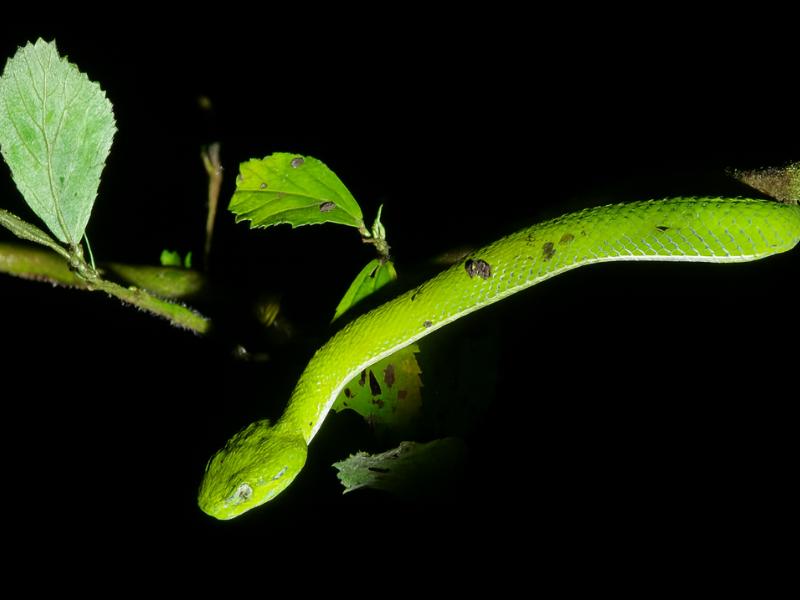
Night tours run and produce excellent sightings year-round but the type of wildlife you encounter shifts meaningfully by season. Dry season nights (December through April) are easier: trails are less muddy, rain is less likely to interrupt the walk, and conditions are comfortable for guides and guests alike. Rainy season nights (May through November) produce significantly more amphibian activity. Red-eyed tree frogs, glass frogs, and other species emerge in far greater numbers after rain, and the sheer density of living things on a wet-season night walk is something dry-season visits rarely match.
About 80% of Monteverde’s wildlife is nocturnal. That number surprises most first-time visitors, who spend the day hiking the reserve and see relatively little, then do the night tour and understand within the first twenty minutes why their guide kept recommending it. Kinkajous, sloths, armadillos, vipers coiled on branches at eye level, tarantulas larger than a hand, sleeping toucans perched against the bark – the forest at night reveals what the daytime version withholds.
The timing within the night also matters. Tour operators typically offer a 6 PM departure, which catches the transition from day to night, and an 8 PM departure, which ventures into full darkness when nocturnal species are at peak activity. For first-time visitors and families with children, the 6 PM slot is easier and still very productive. For serious wildlife photographers or anyone specifically targeting frogs and reptiles, the 8 PM walk in the rainy season is the most species-rich combination available in Monteverde.
September and October, despite being the wettest months, are the night tour sweet spot for amphibian diversity. The rain drives breeding behavior. After a heavy afternoon downpour, the forest floor at night is extraordinarily active. Guides who run tours in October consistently report the highest frog species counts of the year. Most tour operators offer flexible cancellation policies during these months for nights with severe weather, which removes most of the risk.
How Do Prices Change by Season in Monteverde?
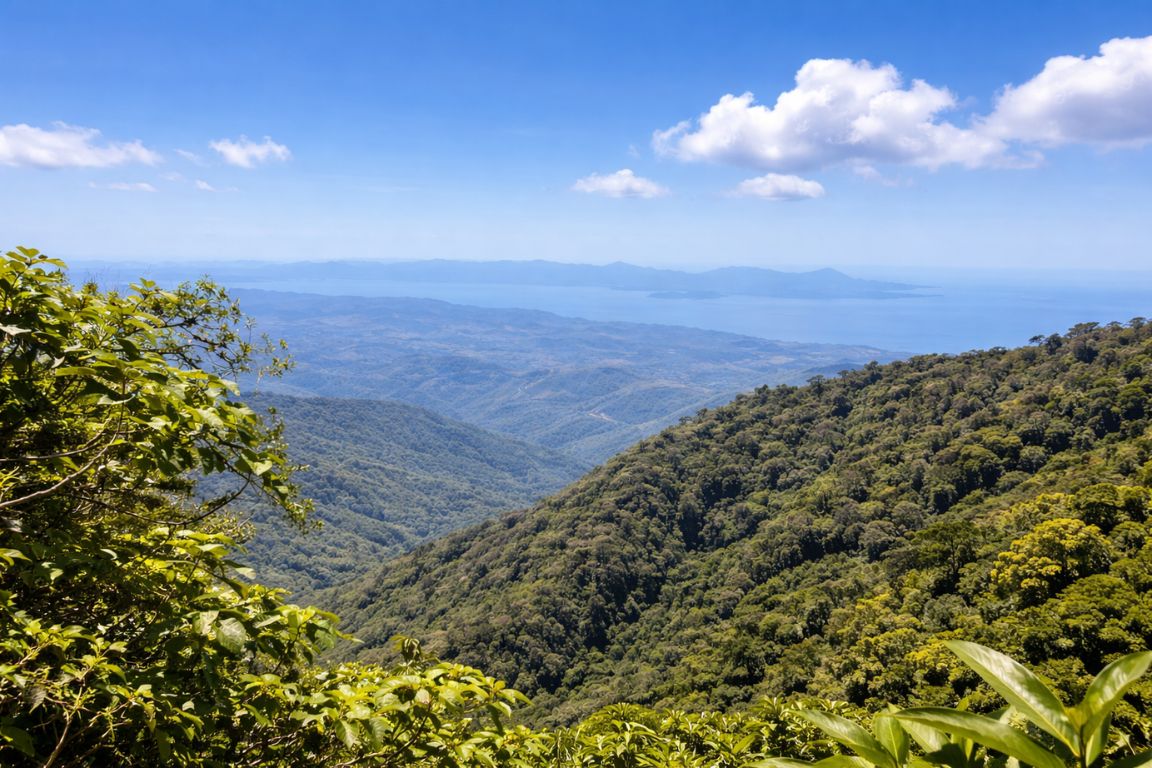 Accommodation prices in Monteverde can vary by 20-35% between peak and low season. The biggest swings are in mid-range and luxury properties, which charge significantly more during December through April and especially around Christmas, New Year, and Easter. Budget hostels see smaller fluctuations. Tour prices are more stable year-round, though some operators offer modest green season discounts. Reserve entry fees are fixed regardless of season.
The practical difference in total trip cost between visiting in October and visiting in March can be substantial for travelers on a mid-range budget. A hotel room that runs $160 per night in March might be $110 in October – the same room, the same forest, a very different bill. Over a four-night stay, that difference covers the reserve entries and a guided tour.
What does not change by season: the Monteverde Cloud Forest Reserve entry fee is $29 per adult year-round. Santa Elena Reserve is $18 per adult year-round. Night tour prices typically run $40-$45 per person for group tours. These are fixed costs that make Monteverde moderately expensive regardless of when you come. The seasonal savings come from accommodation and, to a lesser extent, availability and crowd pressure rather than activity prices themselves.
We’ve created a detailed Monteverde Cloud Forest Reserve guide because this is the flagship preserve and understanding the trail system makes a huge difference in what you see.
| Budget accommodation (per night) | $40-$70 | $25-$50 | Biggest proportional savings |
| Mid-range accommodation (per night) | $120-$200 | $80-$140 | 30-35% savings possible |
| Luxury accommodation (per night) | $300-$600+ | $220-$420 | Promotions common in Sep–Oct |
| Monteverde Reserve entry | $29/adult | $29/adult | Fixed; no seasonal variation |
| Santa Elena Reserve entry | $18/adult | $18/adult | Fixed; no seasonal variation |
| Group night tour | $40-$45/person | $38-$45/person | Minor discounts in low season |
| Shared shuttle from San José | $55-$69/person | $50-$65/person | Minimal seasonal variation |
Prices verified March 2026. Rates are approximate averages; individual properties vary.
Month-by-Month Breakdown: What to Expect Every Month in Monteverde
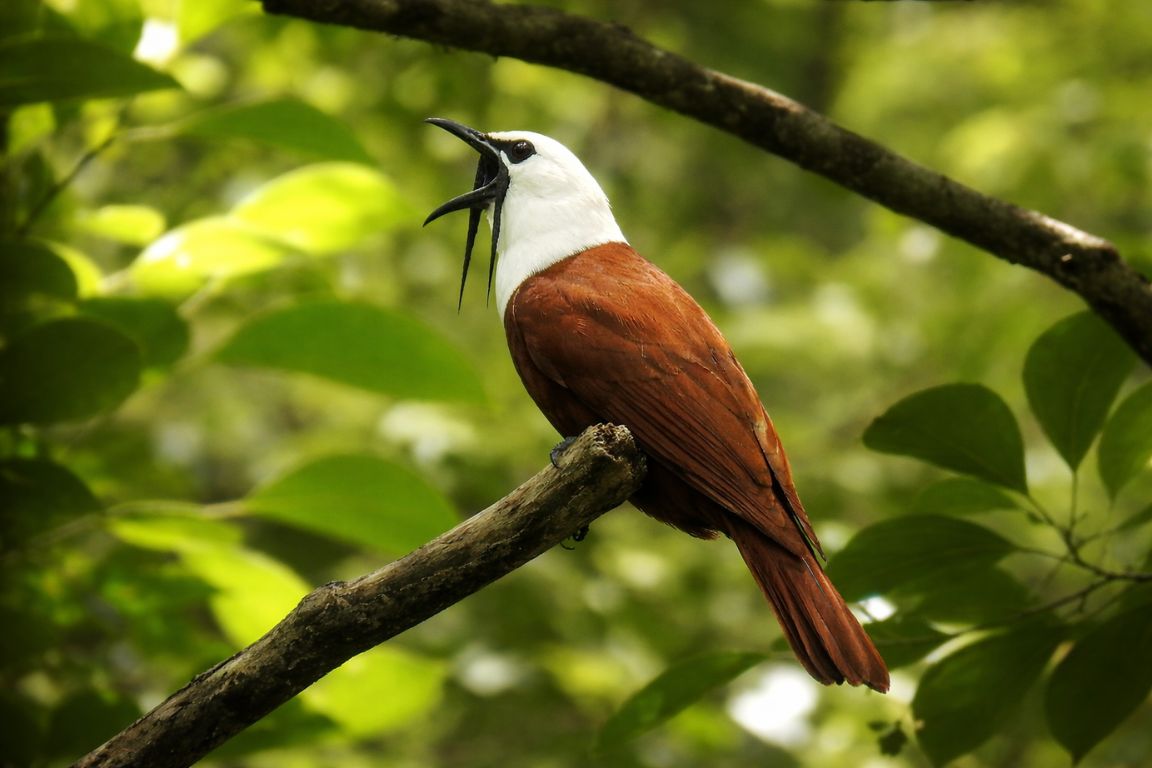 Every month in Monteverde has a distinct character. No month is bad. But each has trade-offs that affect different travelers differently. Here is the honest breakdown, drawn from years of guiding across all twelve months.
January
The coldest and windiest month. Trade winds hit their peak, temperatures regularly drop to 13-14°C (55-57°F) at night, and the fine “pelo de gato” mist blows horizontally through the forest for hours at a time. This is peak high season – hotels are full, slots at the reserve sell out, and Christmas school holidays are still winding down in Costa Rica. Dramatic sunsets and some of the best rainbows of the year. Pack warmer than you think necessary.
February
Still windy but the winds begin to ease toward the end of the month. Sun appears more frequently. Quetzal breeding season is ramping up, and by mid-February the first active sightings are reliable for early-morning guided walks. The Monteverde Music Festival starts in February and runs through the month – the largest cultural event of the year in the region. High season continues. Book well in advance.
March
The driest month of the year and the absolute peak of both tourism and quetzal season. Around 15mm of rainfall on roughly seven days. Mornings are clear and warm. Three-wattled bellbirds arrive and their metallic call fills the upper canopy from early morning. Crowds at the Monteverde Reserve are at their highest – the December 2025 circuit system helps manage this, but slots still fill fast. Book reserve slots at least two to three weeks in advance.
April
Warmest month, averaging 21-23°C (70-74°F) during the day. Still dry season but the first tentative rains begin to appear toward the end of the month. Quetzal breeding is at peak – chick feeding activity is beginning, which keeps birds active and visible. Easter week brings a surge of both international and domestic tourists; if your visit overlaps with Semana Santa, book everything months out. Butterfly season is building strongly by late April.
May
The first real transition month. Afternoon rains start, usually two to three hours of rain in the mid-to-late afternoon. Mornings remain mostly clear. Quetzals are still active and producing reliable sightings for another four to six weeks. Tourism drops noticeably from April’s peak, prices follow, and the forest begins that shift into deep green that defines the best landscape photography of the year. A strong sweet-spot month for experienced travelers.
June
Green season is established. Rain falls most afternoons, sometimes heavily. Temperatures sit in the 17-20°C range during the day. Quetzal season is winding down but not over. Frogs and butterflies are peaking – this is the month for amphibian diversity, and night tours become the evening activity of choice. Three-wattled bellbirds are still present through June. Migratory birds are active. Orchids at the Monteverde Orchid Garden are in bloom. One of the most underrated months to visit.
July
Rainy season in full swing, but July often brings the “veranillo” – a brief dry spell lasting a few days to a week, most often in the first half of the month, where the weather inexplicably improves before the rains return. Not guaranteed, but if you catch it, the forest under blue skies after weeks of mist is something else. Moderate crowds from Northern Hemisphere school holidays. School and student groups are common in July.
August
Similar to July. Rain increases again after the veranillo. Student season continues into August, keeping tourism at a moderate rather than low level. Wildlife is diverse and active. Night tours are producing excellent amphibian and reptile sightings. The forest is deeply green and atmospheric. Afternoon hikes are generally not recommended – plan activities for 7-11 AM and leave afternoons for coffee, shelter, or shorter walks near town.
September
The quietest month of the year in Monteverde. Rainy, sometimes heavily so, with occasional storms rolling in from the Caribbean coast. Some smaller restaurants and tour operators run reduced hours. The reserve trails are wet and some sections can be slick. But for the traveler who wants the cloud forest to themselves, September is as close as you will get. Night tours are exceptional for amphibian diversity. Prices hit their annual low.
October
The wettest month. Up to 370mm of rainfall, averaging 23+ rainy days. A number of local businesses reduce hours or close for the month. That said, October is also when the forest is at its most dramatic – clouds sit at treetop level, moss saturates to a vivid green, and the sound of rain on the canopy is constant. Night tours in October have the highest amphibian species counts of the year. In late October, the trade winds begin to stir, signaling the start of the windy season and the slow return of better weather.
November
An underrated gem. The rains taper significantly through the month, sunny days return with increasing frequency, and early November sees the forest at its greenest against newly clearing skies. Prices are still at low-season levels but traffic is beginning to return. Toward the end of the month, the windy season begins in earnest and the forest transitions into its most atmospheric winter character. A two-week window in early to mid-November catches the tail end of lush green season at near-September prices.
December
Two distinct experiences in one month. Early December is genuinely uncrowded and lovely – the rains have mostly cleared, the forest is still richly green from the wet season, and prices have not yet jumped to holiday peak. From roughly December 20 onward, the holiday rush begins and Monteverde fills up fast. If you can be there in the first two weeks of December, it is one of the most rewarding times of year. The second half of December into Christmas and New Year is the most expensive and most crowded period of the entire calendar.
Wondering what each month looks like? Check out our Monteverde Cloud Forest tours by month guide – it breaks down rainfall, quetzal activity, and visibility throughout the year.
Frequently Asked Questions
Is Monteverde worth visiting in the rain?
Yes. The cloud forest is built on rain. Even heavy wet-season visits produce memorable experiences because the forest is at its most alive, the mist is thickest, and the night tours are at their most productive for amphibian and reptile sightings. The key is adjusting expectations and scheduling: plan morning activities, keep afternoons flexible, and pack proper rain gear.
What is the best month to see the quetzal in Monteverde?
March and April are the peak months. Quetzal breeding season runs from mid-February through June, but March and April produce the most consistent sightings because males are actively displaying and feeding near wild avocado trees. A morning guided tour with a local naturalist and a spotting scope is strongly recommended. Outside of February through June, sightings are possible but require luck and a skilled guide.
Is December a good time to visit Monteverde?
Early December is excellent. The rains have cleared, the forest is still lush and green, crowds are low, and prices have not yet jumped to holiday peak. From around December 20 onward, it transitions into the busiest and most expensive period of the year. If you can time your visit to the first two weeks of December, you get the best of both the dry season conditions and pre-holiday quiet.
What is “pelo de gato” in Monteverde?
Literally “cat fur,” pelo de gato is the fine horizontal mist that blows through Monteverde during the windy season (November through February). It is not rain in the traditional sense – it is cloud moisture carried by the trade winds, blowing through the canopy and gradually saturating everything it touches. It is also what creates the extraordinary rainbows that appear almost every afternoon during the windy season. For many longtime visitors, this atmospheric mist is the defining sensory experience of the cloud forest.
Is the rainy season really that bad in Monteverde?
September and October are legitimately wet – some trails get muddy, a few businesses close, and planning around afternoon rain is necessary. May through August is a different story: the green season in those months typically means sunny mornings with afternoon showers, not all-day rain. Experienced travelers regularly choose the green season for its combination of lower prices, quieter trails, and richer forest atmosphere. The framing of rainy season as “bad” is largely a marketing construct that benefits peak-season operators.
When is the cheapest time to visit Monteverde?
September and October are the lowest-price months for accommodation, with savings of 25-35% compared to peak season. Early November and late April through May offer similar savings with somewhat better weather. Reserve entry fees do not change with the season. The biggest variable in your total trip cost is accommodation, where green season pricing can meaningfully reduce the overall budget.
Still deciding when to come? Whether you want quetzals in March, empty trails in October, or that first-week-of-December sweet spot, Monteverde Cloud Forest Tours can help you plan a visit that fits what you are actually after.
Choose Your Monteverde Experience
An editorial starting point, before you enter preferences. Confirm dates, party requirements and extras.
Curi-Cancha Quetzal Search
Check your travel date before arranging the rest of this outing. Spend three hours birding with a specialist and a high-definition scope.
3 hours; English/Spanish. Curi-Cancha entry is extra. Transport is included only in the transport option. Birds are wild; no quetzal sighting is guaranteed.
Choose a date for Viator scheduled departures. Final availability and price are confirmed on Viator.
Choose only what matters. Missing answers keep the recommendation provisional. Individual suitability and exact pickup still need confirmation.
| Curi-Cancha Quetzal Search | Spend three hours birding with a specialist and a high-definition scope. 3 hours; English/Spanish. Curi-Cancha entry is extra. Transport is included only in the transport option. Birds are wild; no quetzal sighting is guaranteed. |
|---|---|
| Monteverde Reserve Naturalist Walk | Explore the main reserve with a naturalist and shared spotting scope. 2–3 hours; English/Spanish. Meet at the reserve reception; reserve admission and hotel transport cost extra. Listed ages 3–90, minimum two travellers; confirm the circuit before buying admission. |
| Wildlife Refuge Small-Group Night Walk | Search for nocturnal wildlife with a guide, flashlights and spotting scope. 2 hours; English/Spanish. Meet at Monteverde Wildlife Refuge. Reserve entry and transport are extra. Confirm child arrangements and the chosen group option. Sightings are not guaranteed. |
| Curi-Cancha Cloud And Transitional Forest Walk | Discover cloud and transitional forest with a guide and spotting scope. 2.5 hours; English/Spanish, maximum eight. This visits Curi-Cancha, not Monteverde Reserve. Admission is extra; arrange your meeting-point transport. Not suitable under six or with mobility impairments. |
| Coffee, Chocolate And Sugar Cane Walk | Follow three crops from plants to tastings, including coffee, chocolate and cane juice. 2 hours; English/Spanish. Transport is excluded. Listed booking ages start at seven; check directly before planning for younger children. Tastings are included; no current price is promised here. |
| Private Santa Elena Reserve Walk | Explore Santa Elena’s dense cloud forest with a certified naturalist. 3 hours; English/Spanish. Meet at Santa Elena Reserve; admission and transportation are extra. Ages 6–99, moderate fitness; provider excludes pregnancy and certain back/heart conditions. |
Compare Your Group’s Costs
Enter your own quotes in the same currency for the same people. Include admission, transport and fees on both sides. These are your totals, not live tour prices.
Enter both totals to compare the cost of your independent plan with the guided experience.