Monteverde by Month Guide
Best time for Monteverde? Dry season (Dec-Apr), quetzals in Feb-Mar, hidden-gem months in Nov-Dec, and heavy rain in Sep-Oct - here’s how to choose.
| January | Windy / Dry | ~140mm | High | Rainbows, clear trails, dramatic skies |
| February | Dry | ~67mm | High | Quetzal season begins, Music Festival |
| March | Dry (peak) | ~15mm | Very High | Best weather, quetzal peak, most sunshine |
| April | Dry / Transition | ~50mm | High (Holy Week) | Warmest month, quetzal still active |
| May | Shoulder | ~180mm | Low-Moderate | Value, fewer crowds, quetzal still possible |
| June | Rainy | ~340mm | Low-Moderate | Lush forest, lower prices, morning windows |
| July | Rainy | ~300mm | Moderate (school break) | Night walks, emerald green scenery |
| August | Rainy | ~340mm | Low-Moderate | Night walks, budget travel, solitude |
| September | Rainy (heavy) | ~330mm | Very Low | Maximum solitude, lowest prices |
| October | Rainy (peak) | ~370mm | Very Low | Hardcore forest lovers only; not recommended for most |
| November | Transition | ~200mm (falling fast) | Low | Hidden gem: greenest forest, improving weather, low prices |
| December | Windy / Early Dry | ~130mm | Low (early) / High (late) | Early Dec hidden gem; late Dec holiday crowds |
Choose your priority before choosing a tour date: specialist birding, forest ecology and evening wildlife are different outings. Month guidance describes the experience, not live availability.
Booking Choice. Spend three hours birding with a specialist and a high-definition scope. Explore Curi-Cancha Quetzal Search
What Is Monteverde Like Throughout the Year?
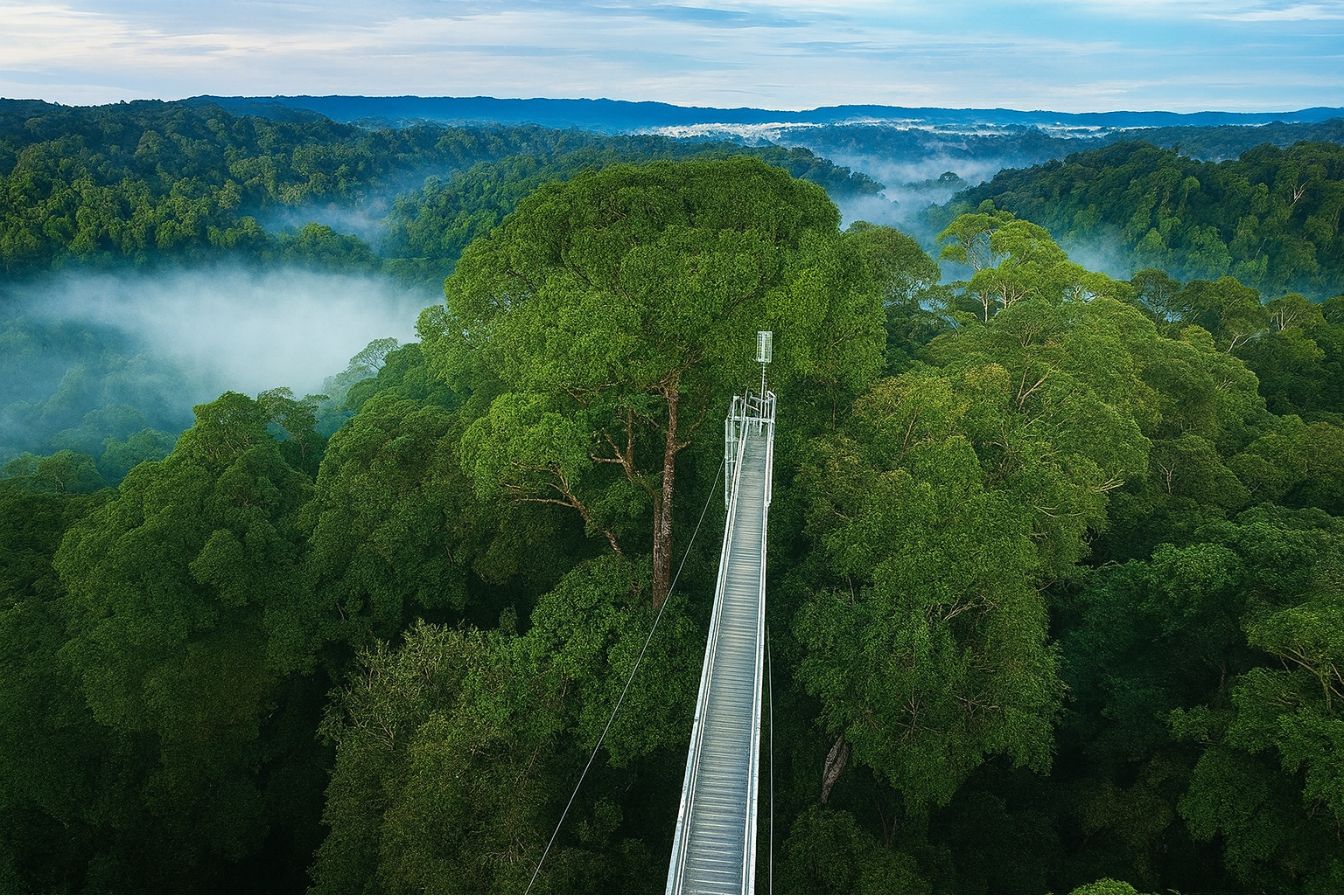 Most of Costa Rica has two seasons. Monteverde has three. The dry season runs from late December through April. The rainy season covers May through October, heaviest in September and October. Then there’s the windy season – roughly November through early December – which locals consider among the most beautiful times of year, when a fine mist called “pelo de gato” drifts through the forest and creates constant rainbows. Understanding all three changes everything about how you plan a trip here.
The average temperature hovers between 57°F and 75°F (14°C to 24°C) year-round, which already tells you something. This is not the Costa Rica of beach heat and sunscreen. You’re at 1,440 meters above sea level on the Continental Divide, where Pacific trade winds collide with Caribbean moisture, and the result is a microclimate unlike anything else in the country. Bring layers regardless of when you arrive. The evenings are cool in every month, and the wind in January can surprise people who packed for the tropics.
What actually changes month to month is the character of the place, not just the rainfall. The crowds change. The wildlife shifts. The trails feel different. The forest at its most saturated in October is a completely different experience from the crisp, breezy mornings of March. Neither is wrong. They’re different cloud forests, and which one suits you depends on what you came for.
One more thing worth saying early: the reserve itself sits on the Continental Divide, which means the two sides of the mountain experience genuinely different weather. A Caribbean front can leave the Atlantic slope dripping while the Pacific side gets two hours of sun. No weather app fully captures this. Our guides deal with it every day, which is part of why local knowledge matters more in Monteverde than it does in most places.
Not all months are equal at 1,400 meters elevation. The best time to visit Monteverde Cloud Forest tours changes dramatically based on rainfall, fog density, and whether you prioritize dry trails or active wildlife.
December and January: Dry Season Begins
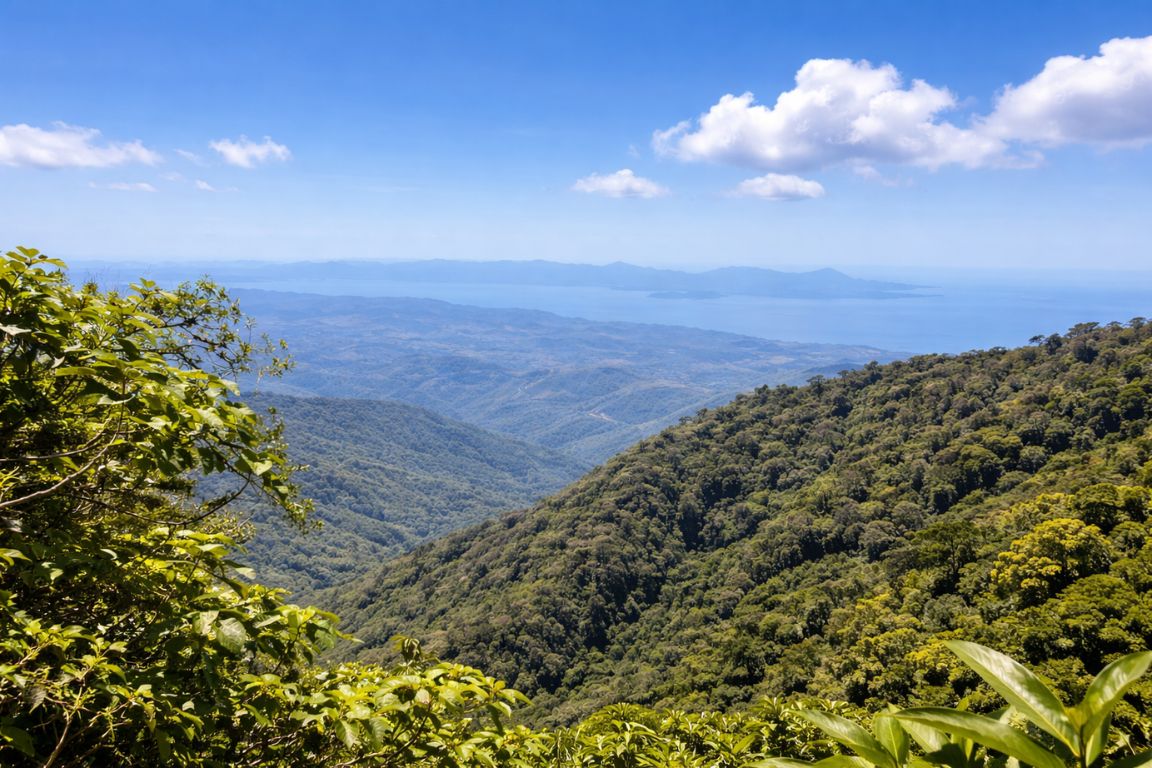 December and January mark the start of the dry season, with rainfall dropping sharply from November’s levels. January is one of the driest months of the year but also one of the windiest and coolest, with temperatures sometimes dipping to 57°F (14°C) at night. Early December is an underrated time to visit – the forest is still lush from months of rain, the crowds haven’t fully arrived, and prices are noticeably lower than they’ll be in February and March.
Late December flips that script. The holiday period brings a surge in international visitors, and hotels near the reserve book out weeks in advance. Christmas through New Year’s is the most crowded stretch of the year in Monteverde, prices are at their annual peak, and the Monteverde Cloud Forest Reserve circuits fill to their daily limits. If you’re traveling over the holidays, book everything – accommodation, reserve circuits, guided tours – well ahead of arrival. Last-minute in late December means whatever is left, which is not usually what you wanted.
January settles into a rhythm that experienced visitors know well: dry, breezy, sometimes downright cold by Costa Rican standards, but the forest is clear and trails are at their most accessible. The winds pick up from the Caribbean trade system and the “pelo de gato” mist drifts in and out through the canopy in a way that makes the forest feel genuinely alive. Afternoons often clear enough for spectacular sunsets and rainbows that locals stop to photograph every time, even after years of seeing them.
Wildlife in January: quetzals are present but not yet at peak display behavior – that ramps up in February. Coatimundis are starting to be more visible as females move closer to human areas during courtship season. Birds are active and the dry trails make for good morning hikes. January is high season so book the reserve circuits through cloudforestmonteverde.com as early as possible; the 26-person circuit slots fill fast.
The honest assessment: early December is one of our favorite times to bring groups. The forest is at its most saturated green, the air is fresh after months of rain, and you’re not fighting crowds at every trailhead. If your dates have any flexibility and you’re planning a December trip, lean toward the first two weeks.
We’ve created a detailed Monteverde Cloud Forest Reserve guide because this is the flagship preserve and understanding the trail system makes a huge difference in what you see.
February and March: Peak Season and Quetzal Time
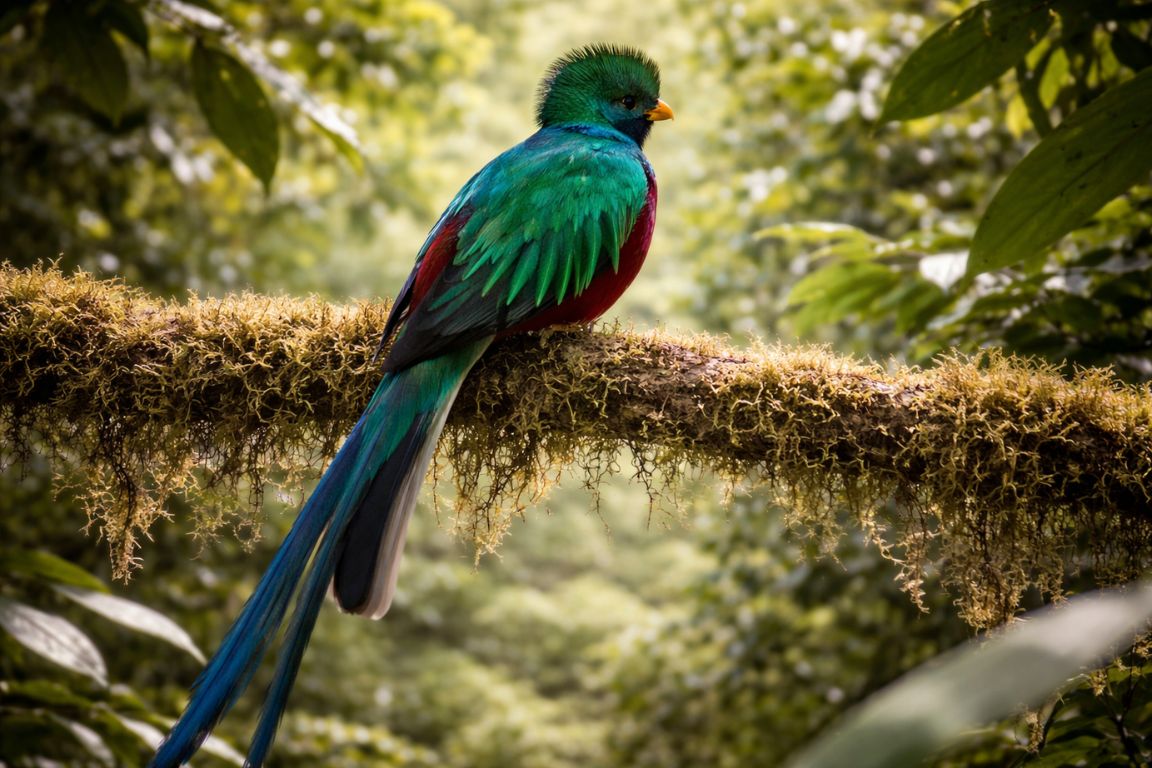 February and March are when everything converges: the driest weather of the year, the start of quetzal breeding season, and the highest visitor numbers. March averages just 15mm of rainfall – barely anything for a cloud forest. The quetzal is most reliably seen from late February onward, with March and April being peak spotting months. These are also the busiest and most expensive months to visit, and the ones that require the most advance planning.
February opens with the quetzal season beginning in earnest. The male birds start their display flights, stake out territory near wild avocado trees, and become genuinely visible in ways they’re not for most of the year. Early morning tours fill up as birders who’ve planned this trip for months arrive ready to wait as long as it takes at the right tree. The guides know which avocado trees are in fruit in any given week. That’s not marketing – it’s literally the difference between a confirmed sighting and an educated guess.
The Monteverde Music Festival typically runs from late February into March at the Bromelias Music Garden and Monteverde Institute. Classical, jazz, and Latin American performances draw both locals and visitors for an event that’s been part of this community’s identity for decades. It’s cheap by any standard and genuinely good. If you’re here in late February, look it up and go.
February through April is our highest-demand period for quetzal tours. If you want a guide with a scope and local knowledge about which trees the birds are using that week, reserve a guided cloud forest experience well ahead of your arrival.
March brings spring break crowds from North America and Europe, and Semana Santa (Holy Week) when it falls in March can cause a near-doubling of hotel rates and a complete sellout of popular accommodations. Semana Santa moves every year, so check the date before you book. If it lands in late March, plan accordingly or shift to early March before it hits.
What you get for dealing with the crowds: the most consistently dry and sunny conditions of the year. Trails are in their best condition. Visibility at the Continental Divide viewpoint (La Ventana) is best in March and April when the forest dries out enough to reveal both Pacific and Caribbean slopes simultaneously. That view is worth the trip by itself, and it’s hardest to get in rainy season when cloud cover closes in for days at a time.
Pack layers even in March. The daytime temperature climbs to the mid-70s Fahrenheit (around 24°C), but the wind makes it feel cooler on exposed trails, and evenings drop significantly. People who show up in shorts because it’s “Costa Rica in dry season” are the ones buying jackets in Santa Elena on day one.
April and May: The Shoulder Sweet Spot
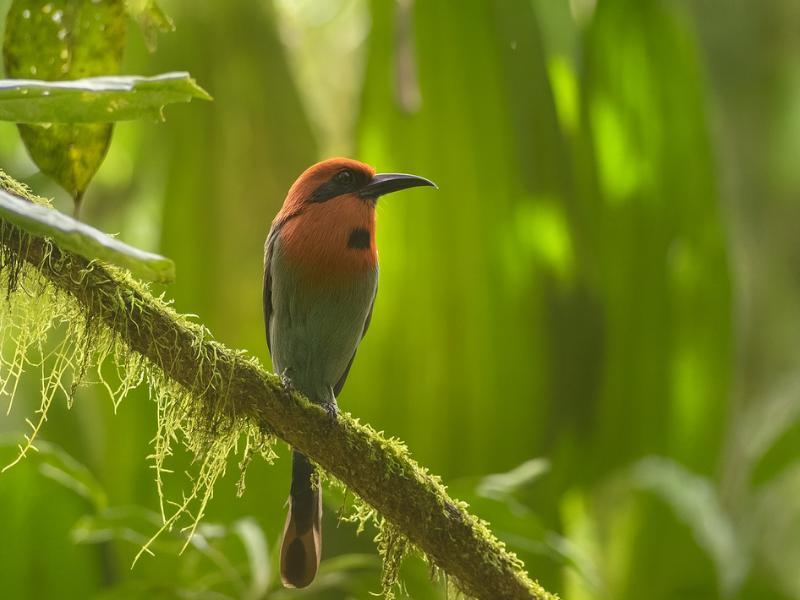
April is the warmest month in Monteverde, averaging around 74°F (23°C) in the daytime, with the quetzal still actively breeding and the crowds beginning to thin after spring break. May is where Monteverde becomes genuinely interesting for people who want the place more or less to themselves: the rainy season arrives but rains typically hold off until afternoon, mornings are clear, prices drop noticeably, and the forest starts turning an impossible shade of green.
April holds well for most visitors. It’s the transition point where the forest starts receiving its first afternoon showers, usually brief and clearing by evening. The quetzal remains active through April and into June, so serious birders don’t need to avoid this month at all. Holy Week, when it falls in April, brings heavy domestic tourism across Costa Rica and a brief surge in prices. Outside that week, April feels noticeably calmer than March.
May is where the real divide happens between travelers who understand Monteverde and those who’ve only read the “best months to visit” section of a generic blog. Rain in May is real but manageable. It typically arrives in the afternoon, allows clear morning hikes, and clears again by evening on most days. What you get in exchange: lower hotel rates, shorter queues at the reserve, and a forest that’s physically transforming in front of you as the rains return. New leaves, new growth, amphibians starting to emerge. The forest in May looks nothing like the forest in March, and the May version is arguably more alive.
One thing people don’t realize about May: the quetzal is still here. Breeding season runs through June, sometimes into July. The birds are harder to find than in March because the forest has more cover, but they haven’t left. A guide who knows the current nesting trees is the key. We’ve had May quetzal sightings that clients talked about for years.
Our practical suggestion for travelers with flexible dates: May is arguably the best month in Monteverde for a first-time visitor who does their homework. You get reasonable weather, dramatically lower prices, far fewer crowds at the reserve, and the cloud forest at peak lushness. The caveat is you need rain gear, waterproof footwear, and realistic expectations that some afternoons will be genuinely wet. That’s not a bug. It’s a cloud forest.
June, July, and August: Rainy Season Sets In
June through August is full rainy season in Monteverde, with rainfall between 300mm and 340mm per month. Rain typically arrives in the afternoon and can be heavy. Mornings are often clear or only lightly misty, which makes early tours reliable. Prices are lower than dry season, crowds are thinner except for a mid-season bump in July when school-break travelers arrive, and the forest is at its most saturated, green, and atmospheric.
The morning window is the practical key to visiting in rainy season. Most days between June and August follow a pattern: clear or lightly overcast in the morning, clouds building by midday, rain starting in early afternoon and running through evening. Plan your reserve visit and guided tours for the 7 AM to noon window. Do indoor activities (bat house, butterfly garden, serpentarium) in the afternoon. Eat a long lunch. This rhythm works, and travelers who adapt to it have genuinely good trips.
July brings a specific crowd type that surprises first-timers: school groups. Costa Rican school holidays and the Northern Hemisphere summer break overlap in July, producing bus-loads of students at adventure parks and zipline operators. It’s not the reserve itself that gets crowded – it’s the zip lines and hanging bridge parks. If you’re planning adventure activities in July, book morning slots before the school groups rotate through. Afternoons are genuinely quieter at those venues because groups are usually doing educational activities by then.
August is actually our preferred rainy season month for travelers who want the balance. Fewer school groups than July, lower prices than June, and mornings are often surprisingly clear. Night walks in August are exceptional – the forest is fully hydrated, frogs are calling from every wet surface, and the combination of warm-ish nights and recent rain brings out species you’d almost never find in the dry season.
One thing that consistently surprises people about the rainy season: the forest smells completely different. The combination of wet moss, recent rain, and cloud humidity creates something you can’t describe well in writing. Travelers who’ve done both seasons often say rainy season has the more intense forest experience, even if dry season has the easier logistics.
September and October: The Quietest Months
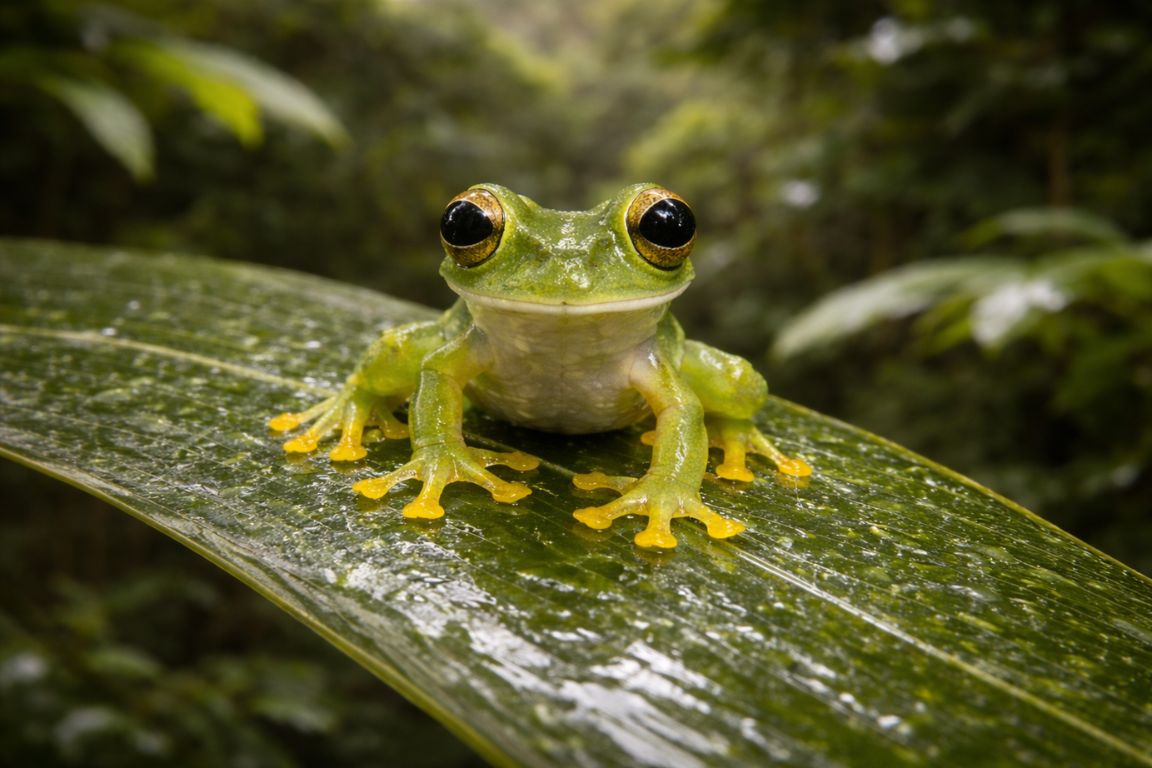 September and October are the wettest months of the year in Monteverde, with October averaging around 370mm of rainfall and humidity pushing 90%. These are the months when some businesses temporarily close, trails can become impassable, and tour cancellations are most common. September and October are only recommended for travelers with specific goals – flora photography, deep forest immersion, or maximum solitude, and full realistic expectations about the conditions.
There’s a version of September and October that genuine cloud forest enthusiasts will tell you about, and it’s real. The reserve is almost empty. You can stand on a trail in the Monteverde Cloud Forest Biological Reserve for twenty minutes and see no one. The forest is at peak saturation – mosses bloated with moisture, waterfalls running hard, every surface dripping. Glass frogs are on leaves above every stream. If your reason for coming is the cloud forest itself and not the hiking conditions, these months deliver something that February and March cannot.
But that honest version comes with honest tradeoffs. Some hotels reduce hours or close entirely. Certain tour operators pull back operations. Rain systems coming off the Caribbean coast can turn into multi-day events that leave you in your room watching the forest through a window. Some trail sections at the reserve are closed after heavy rain events. October especially can have storms that would make hiking inadvisable even if conditions were technically open.
The wildlife picture is also different. Quetzals have largely moved to lower elevations for these months. Mammals are harder to find in sustained heavy rain. What excels: amphibians, invertebrates, and the kind of deep forest observation that slow travelers with binoculars and patience tend to love.
Our honest advice: if September or October are your only option, come prepared with full rain gear, lower activity expectations, and the mindset that the forest is going to show you something more intimate than what a February tour group sees. If you have flexibility, November or early May are better compromises.
Want to know what to look for? Our guide on the animals of Monteverde Cloud Forest covers which species live here and your actual odds of spotting them in the fog.
Visiting outside peak season? A tropical forest night tour can be timed around the conditions you actually get. If you want the routing handled, there is a 3-day itinerary from San José that includes Monteverde.
November: The Transition Month
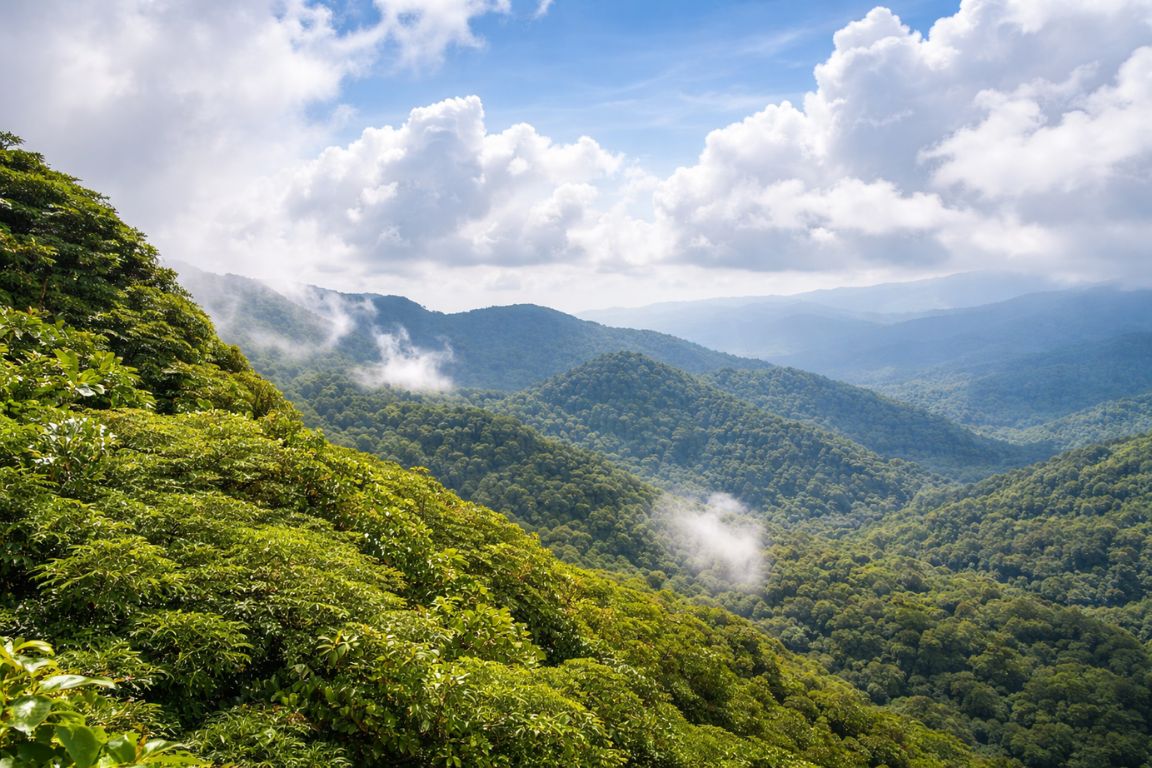 November is one of Monteverde’s most overlooked months, and for travelers who discover it, often becomes their favorite. The heavy rains of September and October fade in the first two weeks of November, giving way to the “windy season” transition by month’s end: trade winds arrive, the forest is still maximum green from months of rain, the sky starts clearing for sunsets and rainbows, prices are at rainy-season lows, and crowds are almost nonexistent.
Think about what November actually gives you. The forest has been drinking rain for six months straight. Every surface is covered in growth. The mosses are at maximum thickness. Orchids are in bloom. Then the rain starts to ease, the wind picks up from the Caribbean, and the “pelo de gato” – that fine, cat-fur mist – begins drifting through the canopy in the afternoon light. Rainbows appear. Not the occasional kind. The nearly-daily kind that makes locals stop what they’re doing.
Early November still carries rainy season uncertainty, so front-load your outdoor activities toward the middle and second half of the month. By late November the windy season character is established and conditions are reliably manageable. Tourism is at one of its lowest points of the year. The reserve isn’t crowded. Hotels are running low-season rates. You’ll have guides’ full attention and trails mostly to yourself.
Wildlife in November: quetzals are absent or very hard to find, having moved lower in altitude for the off-season. Bellbirds have largely departed. But this isn’t really a birder’s month for those specific species. It is, however, an excellent time to experience Monteverde as it actually lives when tourists aren’t filling every circuit slot – which is an experience that deserves more credit than it typically gets.
Which Month Is Best for Your Trip?
The best month depends entirely on your priorities. For best weather and quetzal sightings: February through April, book 2 to 3 months ahead. For the best value with decent conditions: May or November. For total solitude and the deepest forest immersion: November through early December, or early June. For families and first-timers who want the easiest possible experience: March, outside of Semana Santa week.
Most guides will give you a simple “dry season is best” answer. It’s not wrong, exactly. But it misses what makes Monteverde different from every other destination: this is a cloud forest. It was designed by millions of years of evolution to be wet, misty, and atmospheric. Visiting only in dry season to avoid the mist is a bit like going to the Grand Canyon and hoping there aren’t any cliffs.
The most common thing we hear from repeat visitors: “I loved it in March, but something about the rainy season version felt more real.” The dry season is easier. The rainy season is more honest about what the place actually is.
Want to get the planning right? This breakdown of how to plan a trip to Monteverde Cloud Forest tours covers all the details most visitors only figure out after they’ve already arrived on the mountain.
| Quetzal birders | Feb-Apr (peak Mar) | Breeding season, males visible, dry trails | Sep-Nov (birds at lower elevations) |
| Budget travelers | May or Nov | Low-season rates, manageable weather | Late Dec / Mar (peak pricing) |
| Families with kids | Mar (avoid Holy Week) or Jan | Dry trails, good visibility, all activities running | Sep-Oct (too much rain for kids) |
| Night tour / amphibian focus | Jul-Aug | Rainy season = peak frog activity | Feb-Mar (fewer frogs) |
| Solo / slow traveler | Nov or early Dec | Solitude, low prices, beautiful forest, rainbows | Late Dec / Mar (peak crowds) |
| Photography / forest immersion | Jun or Nov | Maximum green, atmospheric light, fewer people | Oct (too unpredictable) |
| First-time Costa Rica visitor | Feb or Dec (early) | Good weather, all experiences available, manageable logistics | Sep-Oct (hardest conditions) |
Frequently Asked Questions
What is the absolute best month to visit Monteverde?
For most travelers, February or March. Dry weather, quetzal breeding season underway, all trails and tours fully operational, and March in particular has the least rainfall of any month. The trade-off is these are also the busiest and most expensive months. If crowds matter to you, May gives you very similar wildlife conditions with far fewer people and noticeably lower prices.
Is Monteverde worth visiting during the rainy season?
Yes, with realistic expectations. June, July, and early August follow a pattern of clear mornings and afternoon rain that allows for good trail visits and tours. The forest is at its most vivid green. Night walks in the rainy season are some of the best wildlife experiences you can have here. September and October are the exceptions – those months are genuinely difficult and only suit specific types of travelers.
What is the windy season in Monteverde?
Roughly November through early February, when Caribbean trade winds push through the Continental Divide and create the “pelo de gato” – fine, misty drizzle that drifts through the forest. Locals consider this one of the most beautiful times of year. Temperatures drop and winds can be strong, but the light is extraordinary and rainbows appear almost daily. It’s a legitimate reason to visit, not just a consolation for not making it in dry season.
When should I avoid Monteverde?
September and October if you want activities and good weather. Those months have the highest rainfall of the year, some tour operators reduce operations, and conditions are simply harder. Late December through New Year’s and Semana Santa (Holy Week) are worth avoiding if you dislike crowds and price spikes – those windows are when Monteverde is at maximum tourist density.
What month is the cheapest to visit Monteverde?
September and October are the lowest-priced months, but conditions make that a difficult trade. The best value months – good weather-to-price ratio – are May and November. Both offer noticeably lower rates than dry season while delivering genuinely enjoyable conditions and a forest that doesn’t look like it’s been through a drought.
Can I see the quetzal if I visit in June or July?
Possibly. The quetzal breeding season runs through June and into July, so the birds are still present and occasionally spotted. The forest has much more cover in those months, making sightings harder than in March and April. A knowledgeable guide with a scope and knowledge of current nesting trees is essentially required to have a realistic chance at a sighting outside peak season.
Choose Your Monteverde Experience
An editorial starting point, before you enter preferences. Confirm dates, party requirements and extras.
Curi-Cancha Quetzal Search
Check your travel date before arranging the rest of this outing. Spend three hours birding with a specialist and a high-definition scope.
3 hours; English/Spanish. Curi-Cancha entry is extra. Transport is included only in the transport option. Birds are wild; no quetzal sighting is guaranteed.
Choose a date for Viator scheduled departures. Final availability and price are confirmed on Viator.
Choose only what matters. Missing answers keep the recommendation provisional. Individual suitability and exact pickup still need confirmation.
| Curi-Cancha Quetzal Search | Spend three hours birding with a specialist and a high-definition scope. 3 hours; English/Spanish. Curi-Cancha entry is extra. Transport is included only in the transport option. Birds are wild; no quetzal sighting is guaranteed. |
|---|---|
| Monteverde Reserve Naturalist Walk | Explore the main reserve with a naturalist and shared spotting scope. 2–3 hours; English/Spanish. Meet at the reserve reception; reserve admission and hotel transport cost extra. Listed ages 3–90, minimum two travellers; confirm the circuit before buying admission. |
| Coffee, Chocolate And Sugar Cane Walk | Follow three crops from plants to tastings, including coffee, chocolate and cane juice. 2 hours; English/Spanish. Transport is excluded. Listed booking ages start at seven; check directly before planning for younger children. Tastings are included; no current price is promised here. |
| Wildlife Refuge Small-Group Night Walk | Search for nocturnal wildlife with a guide, flashlights and spotting scope. 2 hours; English/Spanish. Meet at Monteverde Wildlife Refuge. Reserve entry and transport are extra. Confirm child arrangements and the chosen group option. Sightings are not guaranteed. |
| Curi-Cancha Cloud And Transitional Forest Walk | Discover cloud and transitional forest with a guide and spotting scope. 2.5 hours; English/Spanish, maximum eight. This visits Curi-Cancha, not Monteverde Reserve. Admission is extra; arrange your meeting-point transport. Not suitable under six or with mobility impairments. |
Compare Your Group’s Costs
Enter your own quotes in the same currency for the same people. Include admission, transport and fees on both sides. These are your totals, not live tour prices.
Enter both totals to compare the cost of your independent plan with the guided experience.