How to Plan a Trip to Monteverde
Monteverde cloud forest sits 4 hours from San José - plan 3 nights, book reserve slots early, and visit Dec-Apr or Feb-Jun for quetzals.
Anchor the stay with one forest outing, then leave room for transport, a different habitat and an evening activity if you want them.
Booking Choice. Explore the main reserve with a naturalist and shared spotting scope. Explore Monteverde Reserve Naturalist Walk
Monteverde Quick Facts
| Location | Tilarán Mountains, Puntarenas Province, Costa Rica |
| Elevation | ~1,440m (4,700 ft) above sea level |
| Distance from San José | ~133 km / 83 miles (3.5-4.5 hours by shuttle or car) |
| Main Hub Town | Santa Elena (commonly called Monteverde) |
| Dry Season | December through April |
| Quetzal Season | February through June (peak: March-April) |
| Monteverde Reserve Entry | $29/adult, $16/child (6-12) – circuit-based, pre-booking required | Prices verified March 2026 |
| Santa Elena Reserve Entry | $18/adult, $7/child (7-12) – walk-in accepted | Prices verified March 2026 |
| Reserve Hours | 7:00 AM – 4:00 PM daily (last entry 3:00 PM) |
| Recommended Stay | 3 nights minimum; 4-5 nights ideal |
| Airport | No local airport. Fly into San José (SJO) |
Prices verified March 2026
What Is Monteverde Actually Like Before You Arrive?
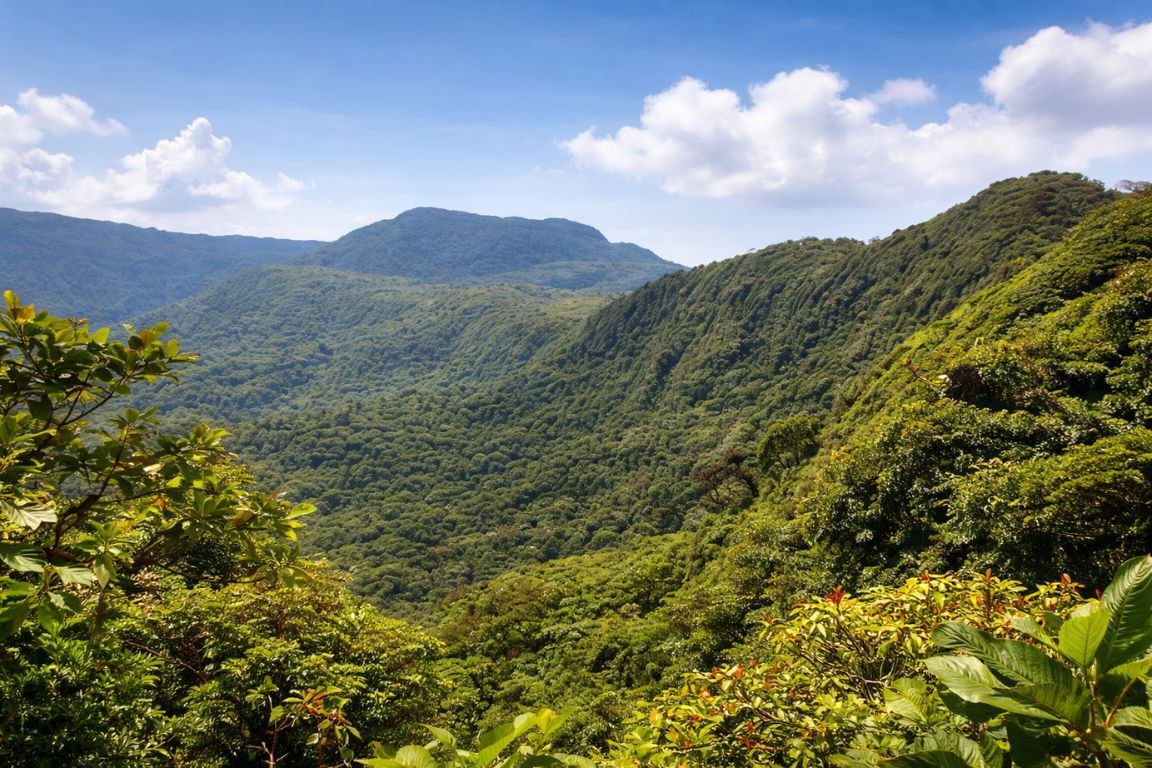 Monteverde is not what most people picture. It is not a beach town, not a resort destination, and not remotely warm. The cloud forest sits above 1,400 meters in a persistent mist that keeps everything damp, green, and cool all year long. Temperatures hover between 15°C and 22°C (59°F-72°F), and the forest doesn’t pause for your visit. It does exactly what it has always done: generates weather.
Most people who feel let down by Monteverde arrived expecting somewhere else. They packed for Costa Rica beach heat and found themselves cold. They came expecting wildlife to be obvious and found a forest that takes patience to read. They Googled “Monteverde” and got pictures of the hanging bridge on a clear morning, then arrived on a grey afternoon with cloud so thick you can’t see ten meters into the canopy. That’s not a bad day. That is the cloud forest doing its thing.
The main town, Santa Elena, sits on a steep hillside about 6 kilometers below the Monteverde Cloud Forest Reserve entrance. It is small, genuinely charming, and loud at night if you’re on the main road. The streets slope. Nothing is flat. Budget two minutes more than you think for any walk, because everything in Monteverde is up or down.
There are no national parks here. The Monteverde Cloud Forest Reserve is privately managed by the Tropical Science Center. Santa Elena Reserve is managed by the local community high school. Entry fees go directly into conservation and local education, which is worth knowing before you grumble about the prices.
If you want to understand what you’re looking at when you step into the forest, and actually see the animals rather than just walk past them, book a guided cloud forest walk. We know where the quetzals feed and we carry spotting scopes.
When Is the Best Time to Visit Monteverde?
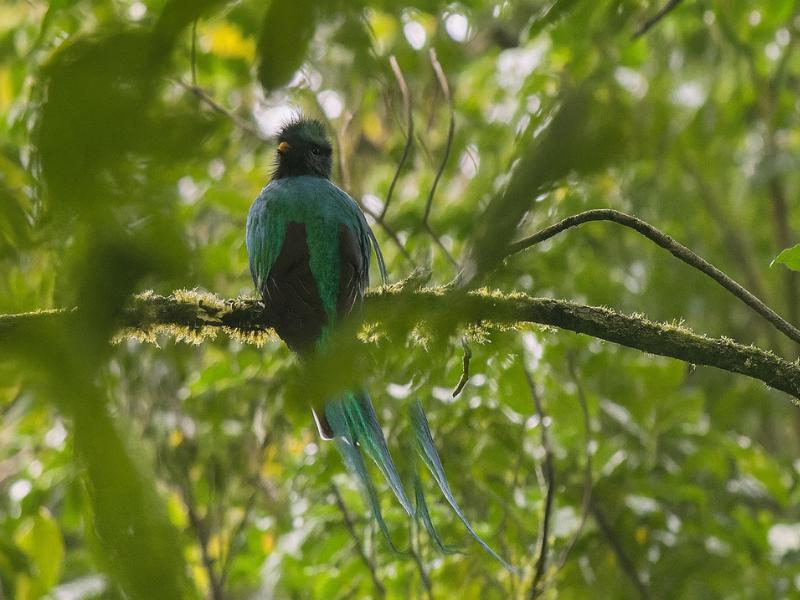
December through April is the easiest time for first-time visitors: trails are drier, visibility is better, and the resplendent quetzal is in active breeding season from February onward. If spotting the quetzal is your main reason for coming, target March and April. If you want fewer crowds and don’t mind afternoon rain, May and June offer a genuine sweet spot – quetzals are still active and the forest turns a deeper, more saturated green.
Locals actually divide Monteverde into three seasons, not two. There is the rainy season (May through late October), the dry sunny season (late February through early May), and then the windy season (November through February), when cool trade winds roll in and the forest stays consistently misty. Many experienced travelers consider the windy season the most atmospheric – the cloud sits low, everything drips, and the trails feel genuinely wild.
September and October are the wettest months across the region. Trails can get muddy and some roads become slick. That said, the forest doesn’t close and tours run year-round. Night tour sightings of frogs and nocturnal species actually peak during wet months because amphibians respond to moisture. The trade-off is real in both directions.
Wondering when to go? Check out the best time to visit Monteverde Cloud Forest tours – certain months give you clearer weather while others mean dealing with mud and limited visibility.
| Dec-Feb | Windy / Dry Start | Misty atmosphere, fewer crowds, bellbirds arriving by March | Can be cold and windy; January is one of the coldest months |
| Mar-Apr | Peak Dry Season | Best quetzal sightings; clear trails; peak wildlife activity | Highest crowds; reserve slots sell out fast |
| May-Jun | Early Green Season | Quetzals still active; forest lush; fewer tourists; lower rates | Afternoon rains begin; some mud on trails |
| Jul-Aug | Green Season | Rich biodiversity; frogs and butterflies peak; good photography | Consistent rain; afternoon downpours common |
| Sep-Oct | Wettest Months | Very quiet trails; lowest prices; night tours excellent for frogs | Heaviest rain; some access roads become slick |
| Nov | Transition | Winds picking up; rates still lower than peak | Unpredictable; mix of rain and wind |
Prices verified March 2026
How Do You Get to Monteverde from San José?
There are four realistic options: shared shuttle, rental car, public bus, or private transfer. The shared shuttle is the most popular for good reason – it picks up from your San José hotel, drops you at your Monteverde accommodation, and costs $50-$69 per person. Rental car gives you the most freedom but demands attention on the final mountain stretch. The public bus is the cheapest at around $17-$18, but involves the downtown San José terminal and a 5+ hour journey.
A note most travel blogs skip: the route description changed in May 2025. The Transmonteverde public bus now departs from Terminal Atlántico Norte in San José, not Terminal 7-10 as it did for years. If you’re using the bus, update your maps. Buses run twice daily, at 6:30 AM and 2:30 PM.
The road question comes up constantly. Route 606, the main approach from the south, was paved in 2019. You do not need a 4×4 for this route in dry season. The northern approach from La Fortuna is a different story and does benefit from higher clearance, especially after heavy rain. Never attempt either route at night if you’re unfamiliar with it.
| Shared Shuttle | $50-$69 | Yes | 3.5-4.5 hrs | Solo travelers, couples, ease of logistics |
| Private Transfer | $179-$220 (up to 6 pax) | Yes | 3-3.5 hrs | Families, groups, flexible departure time |
| Rental Car | Variable + gas ~$4.90/gal | Yes | 3-4 hrs | Multi-destination travelers wanting flexibility |
| Public Bus (Transmonteverde) | ~$17-$18 | No (terminal pickup) | 5+ hrs | Budget travelers, backpackers |
Prices verified March 2026. Shared shuttle prices based on operator quotes from Interbus, Gray Line, and Monkey Ride.
One thing we see repeatedly: travelers underestimate drive times from the Google Maps estimate. The app is optimistic. Add 50% to any estimate for mountain routes, and double it during the wet season. Plan to arrive before 4 PM. The afternoon fog that settles over the road above Sardinal is not decorative – it is thick and fast.
Which Reserves and Attractions Should You Visit in Monteverde?
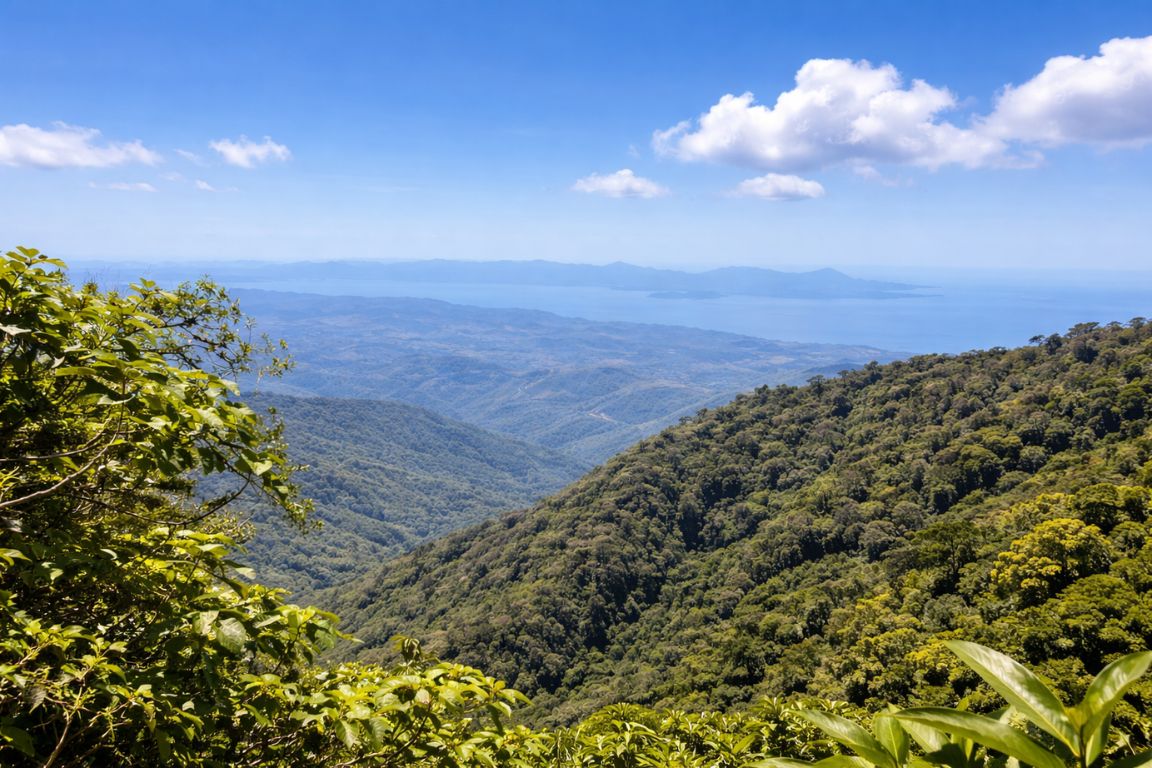 Most visitors have time for two reserves. The Monteverde Cloud Forest Biological Reserve is the flagship: bigger trails, the hanging bridge, a waterfall, and the best infrastructure. Santa Elena Reserve is quieter, cheaper, and sits at a higher elevation with a different plant community – it feels wilder. Do Monteverde Reserve first, Santa Elena Reserve as a second morning. Add Curi-Cancha if quetzal spotting is a priority.
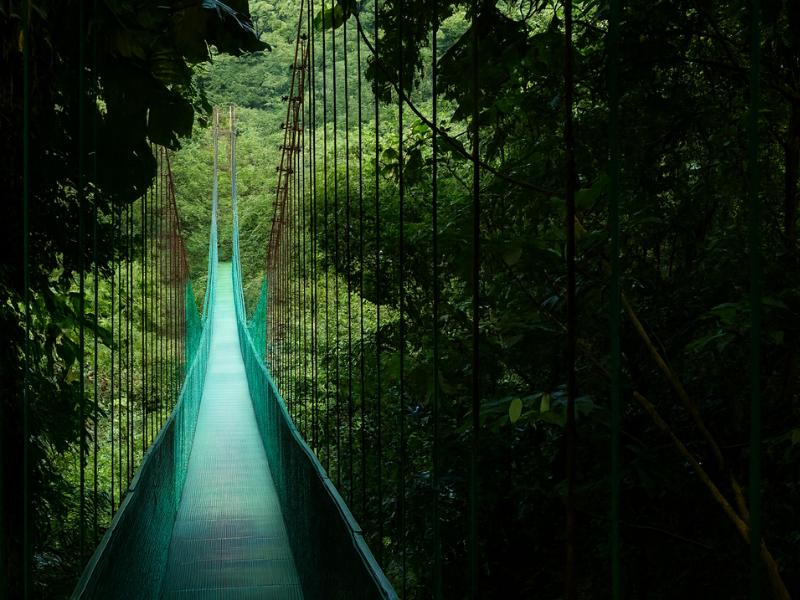
The ticketing system at the Monteverde Reserve changed significantly in December 2025. Day passes are gone. You now buy a ticket to a specific circuit at a specific time slot, and there are three options: the Essence Trail (1.4 km, includes a waterfall), the Heart of Forest Trail (2.8 km, includes the hanging bridge), and the Continental Divide Trail (4.1 km, the longest, with views toward the Pacific and Caribbean). Capacity is capped at 26 people per slot. Late arrivals forfeit their reservation with no refund. Book online and arrive 15 minutes early.
Not sure about the main reserve logistics? Check out our Monteverde Cloud Forest Reserve guide – it’s the most famous one and requires more planning than the others.
Santa Elena Reserve is walk-in friendly, no pre-booking required. The $18 entry fee goes to the local community high school. The trails run from 0.5 km up to 4.8 km, there is a handicap-accessible path, and the observation tower can give you Arenal Volcano views on a clear morning. It closes at 4 PM with last entry at 3 PM.
Beyond the reserves, the night tour is not optional if you actually want to see wildlife. Around 80% of Monteverde’s animal species are nocturnal. The daytime forest is beautiful but quieter than people expect. After dark it is a completely different forest – tree frogs, kinkajous, tarantulas, olingo, stick insects the length of your forearm. Two hours with a guide who knows where to look changes the entire trip.
| Monteverde Cloud Forest Reserve | $29 | 7 AM – 4 PM | Required (circuit slots) | 10,500 hectares | Hanging bridge, waterfall, highest biodiversity |
| Santa Elena Cloud Forest Reserve | $18 | 7 AM – 4 PM | Not required | 310 hectares | Arenal views, quieter trails, community-owned |
| Curi-Cancha Reserve | ~$20 | 7 AM – 3 PM | Recommended | Smaller | Top quetzal sighting spot, small groups |
| Children’s Eternal Rainforest | Varies by access point | Varies | Check in advance | 22,000 hectares | Largest private reserve in Costa Rica |
Prices verified March 2026
How Many Days Do You Need in Monteverde?
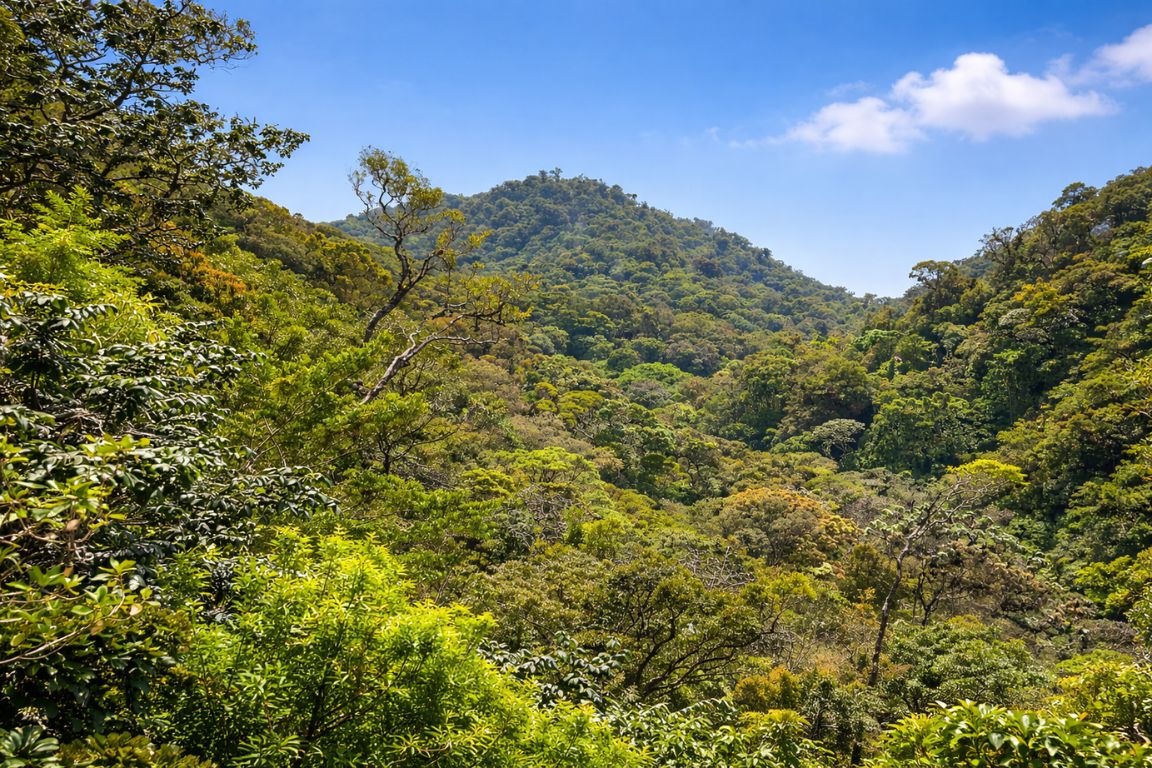 Three nights is the minimum that lets you do Monteverde justice. Day one: arrive and do a night tour. Day two: the Monteverde Cloud Forest Reserve in the morning. Day three: Santa Elena Reserve or Curi-Cancha. Three days goes fast. If you want to add ziplining, a coffee tour, or a second reserve visit, build in four nights. Two nights is technically possible but you will spend more time planning logistics than experiencing anything.
Travelers who book two nights typically spend most of day one recovering from the journey, do one reserve visit on day two, and leave on day three without having done the night tour at all.
The forest also rewards patience. Wildlife doesn’t perform on a schedule. The morning you sit quietly at the trailhead for twenty minutes before moving is usually the morning someone in your group spots the quetzal. That is not something you can rush.
Planning your Costa Rica schedule? This breakdown of how many days you need in Monteverde Cloud Forest tours shows you what’s possible with 1, 2, or 3 days depending on how much you want to explore.
What Wildlife Can You See in Monteverde?
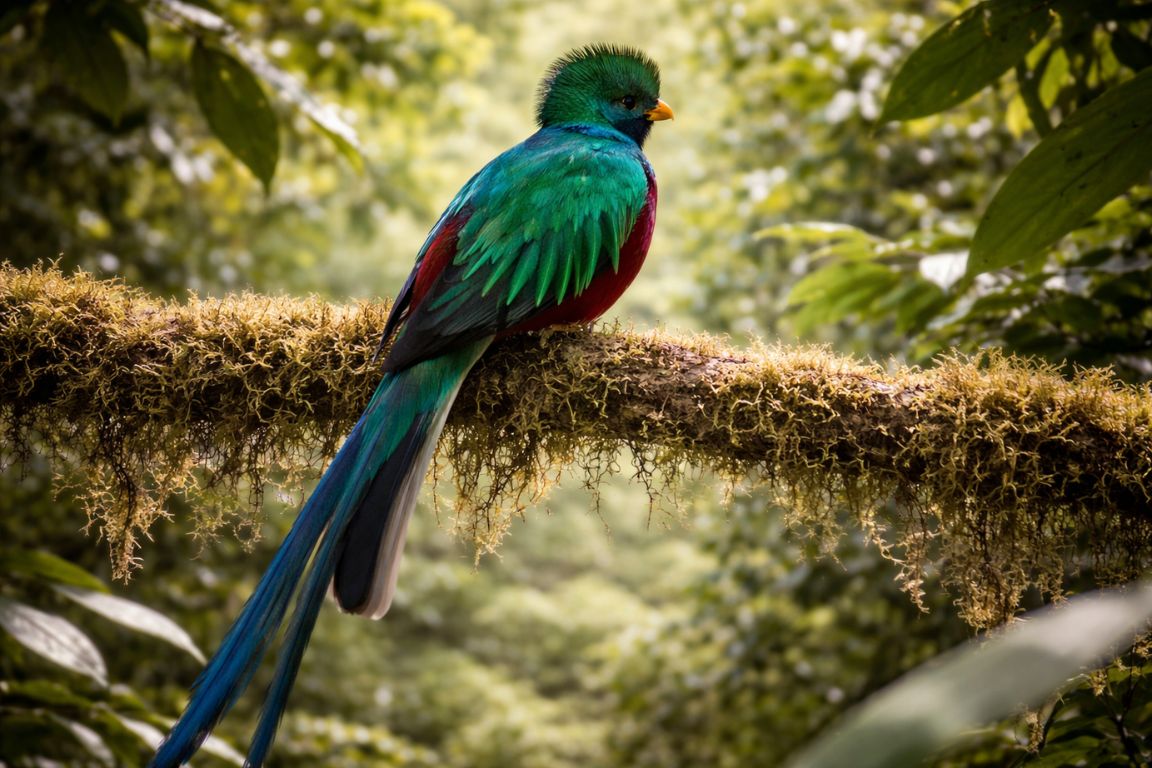 Monteverde holds over 500 bird species, 100 mammal species, 120 reptiles and amphibians, and more than 2,500 plant species including the world’s largest concentration of orchids in a single location. The resplendent quetzal is the headline species. February through June is the breeding season and your best window. March and April are peak months. Outside this window, quetzals are present but harder to find without a guide.
The quetzal is elusive in a very specific way. It doesn’t hide so much as blend. It sits motionless in the canopy near wild avocado trees, and the iridescent green of its feathers is almost indistinguishable from the surrounding leaves until it moves. The guides who find them reliably are the ones who know where the avocado trees are fruiting, which changes week to week. A scope makes the difference between a green blur sixty meters up and something you will remember for years.
Beyond the quetzal, Monteverde’s wildlife calendar has real depth. White-faced capuchin monkeys move through the canopy in social groups year-round and tend to be seen most easily on sunny mornings. The three-wattled bellbird, with its extraordinary metallic call, arrives from March through August. Red-eyed tree frogs and glass frogs peak during wet season night tours. Coatis wander the forest margins at all hours. Two-toed sloths move slowly enough through the canopy that guides often find them even from a distance.
If you’re going for the wildlife, here’s our breakdown of the animals of Monteverde Cloud Forest so you can set realistic expectations about what you’ll see in the misty canopy.
| Resplendent Quetzal | Feb-Jun (peak Mar-Apr) | Curi-Cancha, Monteverde Reserve | Guide with scope strongly recommended |
| Three-Wattled Bellbird | Mar-Aug | Upper canopy, Monteverde Reserve | Heard far more easily than seen |
| White-Faced Capuchin Monkey | Year-round (best sunny mornings) | Forest edges, all reserves | Social groups; easier to spot than sloths |
| Two-Toed Sloth | Year-round (peak wet season) | Tree canopy, all reserves | Motionless for hours; guide essential |
| Red-Eyed Tree Frog | Jun-Oct (wet season) | Night tours, forest streams | Night tour only; dramatically easier after rain |
| Coati | Feb-Mar (females with young) | Forest margins, near food sources | Often seen roadside; social and visible |
| Kinkajou | Year-round (nocturnal) | Night tours, canopy | Night tour only; excellent sighting frequency |
| Glass Frog | Jun-Oct | Night tours near streams | One of the most striking night tour finds |
Wildlife data based on naturalist field observations and verified seasonal data from reserve management records, March 2026
Where Should You Stay in Monteverde?
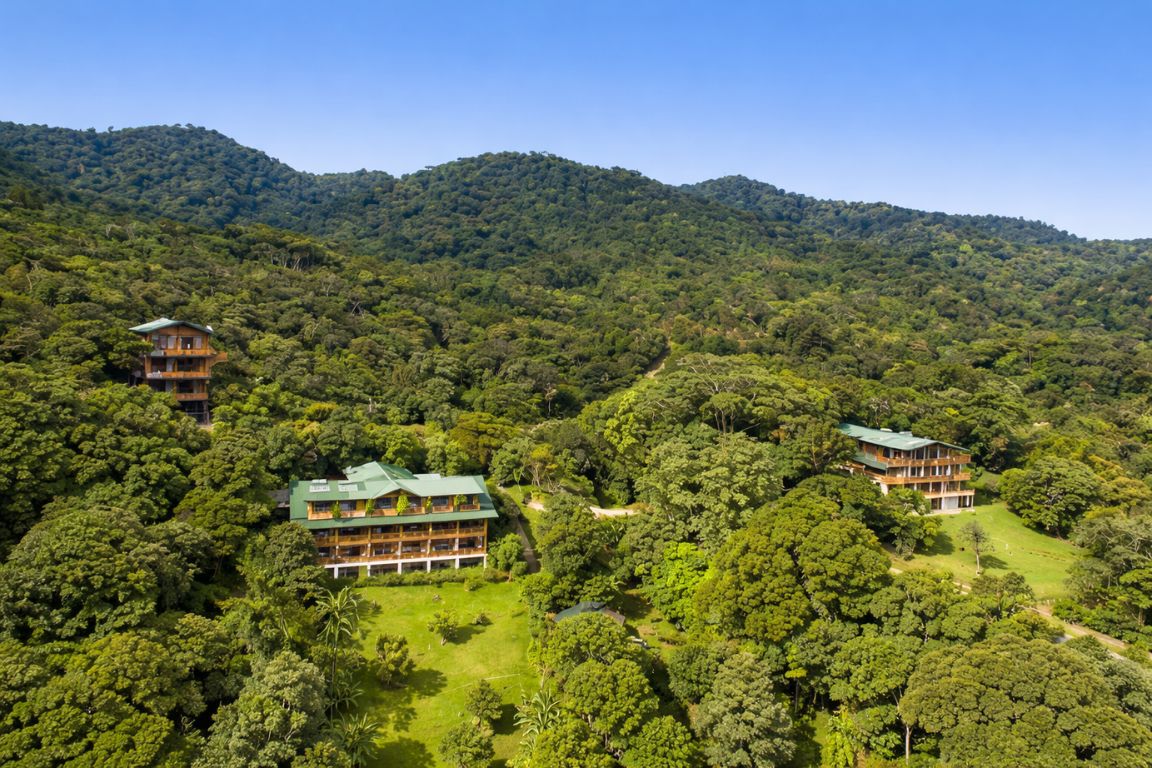 The main question is whether you have a rental car. If yes, staying on the road between Santa Elena and the Monteverde Reserve (Route 620) puts you close to the forest in quieter surroundings. If no, stay in downtown Santa Elena where everything is walkable and tour pickups are straightforward. Budget options concentrate in town; mid-range and luxury properties are mostly scattered along the forest roads above it.
Downtown Santa Elena is lively, practical, and slightly noisy. You are within walking distance of restaurants, the Orchid Garden, the Frog Pond, and shuttle pickup points. Many budget travelers with no car do fine staying here because most tour operators will pick you up directly from your accommodation. The trade-off is road noise and the absence of forest views.
Outside of Santa Elena, the lodges get progressively quieter and more immersed in the cloud forest. Properties like Hotel Belmar, Senda Monteverde, and Monteverde Lodge and Gardens sit on or near the forest edge. They cost more, but you wake up in the cloud, and the difference in atmosphere is real. Some have on-site nature trails. At Senda Monteverde, guests have exclusive access to the neighboring Aguti Wildlife Reserve.
We’ve mapped out where to stay in Monteverde Cloud Forest tours because location matters when you’re dealing with mountain roads and trying to minimize driving between your hotel and the trails.
| Budget | $20-$60 | Cabinas El Pueblo, Selina Monteverde, Arco Iris Lodge | Mostly in Santa Elena town center; some shared bathrooms |
| Mid-Range | $80-$200 | Hotel & Spa Poco a Poco, Fondavela Mountain Hotel, Monteverde Country Lodge | Pool, breakfast, nature gardens; some forest views |
| Luxury | $270-$1,000+ | Hotel Belmar, Senda Monteverde, Monteverde Lodge & Gardens, El Establo Mountain Hotel | Forest-edge settings; farm-to-table dining; private trails; excellent wildlife access |
Prices verified March 2026. Rates are seasonal averages; expect 20–30% premium during Dec–Apr peak.
What Should You Pack for the Cloud Forest?
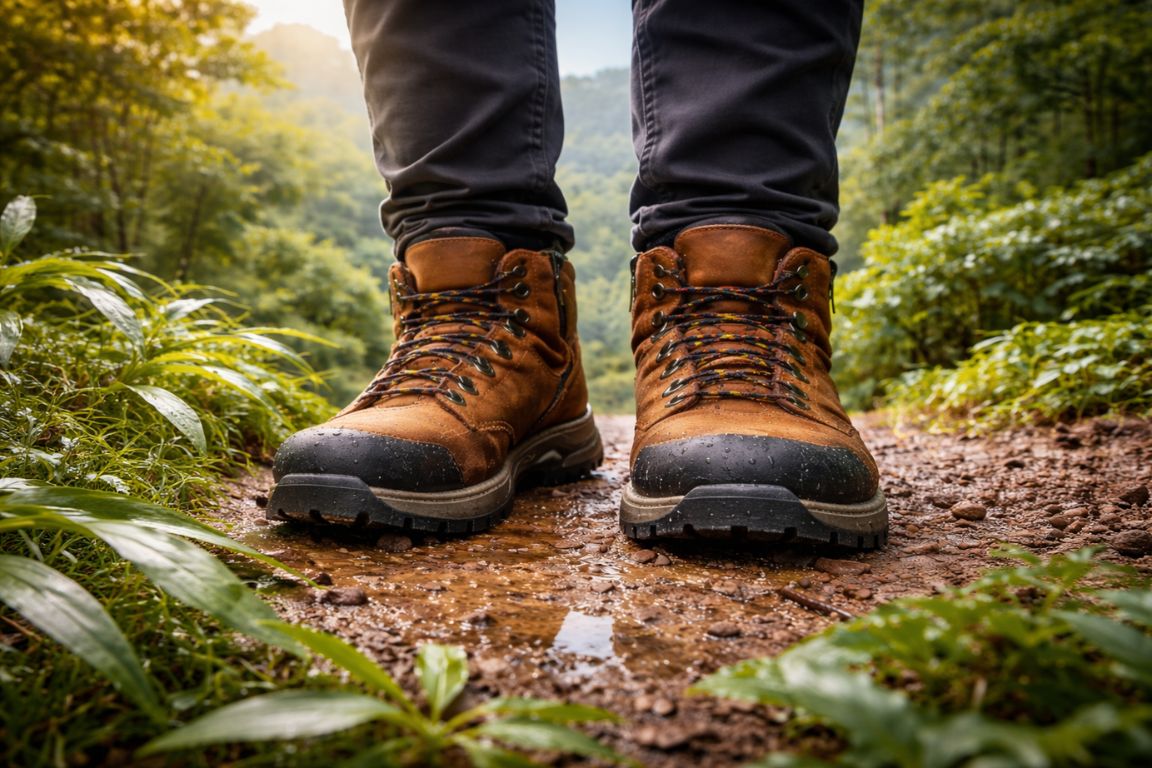 Pack for cool, wet weather regardless of when you go. A waterproof jacket is not optional. Temperatures in Monteverde regularly drop to 12-15°C (54-59°F) at night and the forest stays damp even during dry season. Layers work better than heavy clothing – mornings are cold, afternoons can warm slightly, and the wind off the continental divide in December through February is genuinely biting.
The gear that separates a great trip from a miserable one is not exotic. A quality rain jacket you can fold into your daypack. Waterproof hiking shoes or boots, not trail runners – the trails are muddy and root-crossed. A warm mid-layer for evenings and night tours, where you may be standing still for extended periods. Binoculars. Bring them if you have them, and if you don’t, rent a pair from your guide. The difference between a green smudge in the canopy and a resplendent quetzal is a good set of optics.
Bug spray is not as critical at cloud forest elevations as it is at sea level – the altitude keeps mosquito populations low. Bring it for evenings just in case, but don’t prioritize it over the jacket. A headlamp or a good phone torch is needed for night tours. And dress in dark or neutral colors for any wildlife-focused outing. That bright orange shirt looks great in photos and empties the trail in front of you.
Need packing guidance? Our guide on what to wear in Monteverde Cloud Forest tours covers layers, waterproof essentials, and footwear that can handle slippery boardwalks and muddy trails.
How Much Does a Trip to Monteverde Cost?
Budget travelers spending carefully can do Monteverde on $75-$90 per day including accommodation, meals, and one activity. Mid-range travelers with a reserve visit, guided tour, and comfortable hotel should plan for $150-$200 per day. Luxury travelers with premium lodging, private guides, and multiple activities can spend $300+ per day. Monteverde is not cheap by Central American standards, but the quality of the experience reflects that.
Reserve entry is the fixed cost that often surprises people. The Monteverde Cloud Forest Reserve is $29 per adult. Santa Elena Reserve is $18. A night tour typically runs $25-$40 per person. A guided morning walk at either reserve adds another $35-$60. A full-day guided experience with transport can run $80-$120 per person. These are not padded prices; the conservation fees fund the reserves directly.
| Accommodation (per night) | $20-$50 | $80-$160 | $270-$600 |
| Meals (per day) | $15-$25 (sodas + self-catering) | $35-$55 (restaurant dining) | $60-$100+ (hotel dining) |
| Monteverde Reserve Entry | $29/adult | $29/adult | $29/adult |
| Santa Elena Reserve Entry | $18/adult | $18/adult | $18/adult |
| Guided Tour (morning) | Skip or share guide | $40-$65/person | $80-$120 private |
| Night Tour | $25-$30/person | $35-$45/person | $50-$80 private |
| Transport to/from San José | $17-$18 (public bus) | $55-$69 (shared shuttle) | $180-$220 (private transfer) |
| Estimated Daily Total | $75-$90 | $150-$200 | $300+ |
Prices verified March 2026
What Do Most First-Time Visitors Get Wrong About Monteverde?
The biggest mistake is underestimating the time commitment. People book two nights thinking that is plenty for a cloud forest, then spend day one in transit and day two rushing through one reserve. The second biggest is not booking reserve time slots early enough. Since the circuit system launched in December 2025, the Monteverde Reserve sells out days or weeks ahead during high season, and late arrivals lose their slot with no refund.
Here are the fail points we see consistently, gathered across thousands of guided trips and distilled from real patterns in traveler feedback:
Arriving late in the day and heading straight to the reserve. The reserve closes at 4 PM. Last entry is 3 PM. If your shuttle gets in at 1:30 PM and you try to squeeze in a visit, you have ninety minutes in the forest, you haven’t eaten, and you are going to feel rushed in one of the few places where being rushed defeats the entire point.
Skipping the night tour because they are tired. We understand. The journey from San José is long and the day has been full. But the night tour is where people see the most. The forest after dark is a different ecosystem. It is louder, stranger, and more accessible to wildlife because the animals that have been hiding from the daytime foot traffic come out. Do the night tour on arrival evening when you are not yet exhausted from hiking.
Choosing weather over timing for the quetzal. Travelers book dry season in January for the good weather, then are disappointed not to see quetzals. The quetzal breeding season starts in mid-to-late February and peaks in March and April. January has clear skies but the birds are less active and harder to find. If the quetzal matters to you, target late February at the earliest.
Assuming the Monteverde Reserve and the town of Monteverde are the same place. The reserve is 6 km from Santa Elena town center. A taxi or the local shuttle bus costs $3-$5 each way. Travelers who walk it on a hot afternoon carrying full daypacks do not enjoy the experience. Budget for transport between town and the reserves.
Booking activities without checking transport. Many of the best tours in Monteverde include hotel pickup. Some do not. Find out before you arrive. A taxi from town to a remote operator at 5:30 AM adds up fast and isn’t always available on short notice.
Questions before you commit? Check dates for a Monteverde cloud forest walk.
Frequently Asked Questions
Do I need to pre-book the Monteverde Cloud Forest Reserve?
Yes, and this is not optional advice. Since December 2025, the reserve operates on a circuit-based time slot system with a capacity of 26 people per slot. There are no day passes. You select your circuit (Essence, Heart of Forest, or Continental Divide) and a specific entry time when you purchase. If you arrive late, your reservation is forfeited with no refund. Book at cloudforestmonteverde.com as far in advance as possible, particularly between December and April.
Is Monteverde worth visiting in the rainy season?
Yes, with the right expectations. Trails are muddier and afternoon rain is consistent, but the forest is at its most alive. Frogs, insects, and nocturnal wildlife are more active. Prices drop 20-30% compared to dry season. The quetzal breeding season extends into June and July, so May and June in particular offer a genuine combination of value, wildlife activity, and fewer crowds.
Do I need a rental car in Monteverde?
Not necessarily. Many tour operators include hotel pickup and drop-off in their prices. The local bus runs from Santa Elena to the Monteverde Reserve several times daily for around $3 each way. If you are staying in Santa Elena town, you can manage without a car. If you are staying further out in the forest, or want the flexibility to visit remote spots on your own schedule, a car helps. The main Route 606 is paved and does not require 4×4 in dry season.
What should I wear for a cloud forest hike?
Waterproof hiking boots or shoes, a waterproof jacket, and layers. The forest stays cool (12-22°C / 54-72°F year-round) and damp even on clear days. Wear neutral or dark colors for wildlife walks. Bring a hat for wind, particularly November through February. Avoid cotton as a base layer – it stays wet and cold.
How long does the Monteverde Cloud Forest Reserve hike take?
That depends which circuit you book. The Essence Trail (1.4 km, includes waterfall) takes about 1.5 hours at a relaxed pace. The Heart of Forest Trail (2.8 km, includes the hanging bridge) takes 2-2.5 hours. The Continental Divide Trail (4.1 km) is a 2.5-3 hour hike. None of these circuits allow re-entry or trail extension once you finish, so choose your circuit based on how much time and energy you have.
What is the difference between Monteverde and Santa Elena Reserve?
The Monteverde Cloud Forest Reserve is larger (10,500 hectares), more expensive ($29/adult), and requires advance booking. It has better infrastructure, the iconic hanging bridge, and the highest biodiversity. The Santa Elena Cloud Forest Reserve is smaller, cheaper ($18/adult), walk-in friendly, and sits at a slightly higher elevation with a more humid, misty feel. For birding, Monteverde Reserve typically wins on species variety. For atmosphere and solitude, Santa Elena often feels more genuinely wild.
Ready to plan your Monteverde trip? Whether you need a reserve morning or a wider route, check a guided cloud forest walk or the 3-day trip from San José .
Choose Your Monteverde Experience
An editorial starting point, before you enter preferences. Confirm dates, party requirements and extras.
Monteverde Reserve Naturalist Walk
Check your travel date before arranging the rest of this outing. Explore the main reserve with a naturalist and shared spotting scope.
2–3 hours; English/Spanish. Meet at the reserve reception; reserve admission and hotel transport cost extra. Listed ages 3–90, minimum two travellers; confirm the circuit before buying admission.
Choose a date for Viator scheduled departures. Final availability and price are confirmed on Viator.
Choose only what matters. Missing answers keep the recommendation provisional. Individual suitability and exact pickup still need confirmation.
| Monteverde Reserve Naturalist Walk | Explore the main reserve with a naturalist and shared spotting scope. 2–3 hours; English/Spanish. Meet at the reserve reception; reserve admission and hotel transport cost extra. Listed ages 3–90, minimum two travellers; confirm the circuit before buying admission. |
|---|---|
| Wildlife Refuge Small-Group Night Walk | Search for nocturnal wildlife with a guide, flashlights and spotting scope. 2 hours; English/Spanish. Meet at Monteverde Wildlife Refuge. Reserve entry and transport are extra. Confirm child arrangements and the chosen group option. Sightings are not guaranteed. |
| San José Airport To Monteverde Private Transfer | Arrange a private arrival transfer from San José Airport to Monteverde. One-way SJO arrival transfer; the listing allows six hours. English/Spanish. Confirm exact hotel, flight, luggage and child-seat needs; do not assume accommodation is included despite a generic inclusion field. |
| Curi-Cancha Cloud And Transitional Forest Walk | Discover cloud and transitional forest with a guide and spotting scope. 2.5 hours; English/Spanish, maximum eight. This visits Curi-Cancha, not Monteverde Reserve. Admission is extra; arrange your meeting-point transport. Not suitable under six or with mobility impairments. |
| Coffee, Chocolate And Sugar Cane Walk | Follow three crops from plants to tastings, including coffee, chocolate and cane juice. 2 hours; English/Spanish. Transport is excluded. Listed booking ages start at seven; check directly before planning for younger children. Tastings are included; no current price is promised here. |
| Curi-Cancha Quetzal Search | Spend three hours birding with a specialist and a high-definition scope. 3 hours; English/Spanish. Curi-Cancha entry is extra. Transport is included only in the transport option. Birds are wild; no quetzal sighting is guaranteed. |
| Kinkajou Forest Night Walk With Pickup | Explore a private forest after dark with a guide and local hotel pickup. 1.5-hour walk; English/Spanish, small group up to eight. Confirm your exact pickup location and timing. Kinkajou Forest is separate from the main reserve. Wildlife sightings are not guaranteed. |
Compare Your Group’s Costs
Enter your own quotes in the same currency for the same people. Include admission, transport and fees on both sides. These are your totals, not live tour prices.
Enter both totals to compare the cost of your independent plan with the guided experience.