What to Wear in Monteverde
Packing for Monteverde? Bring a waterproof jacket, grippy hiking shoes, and quick-dry layers - wrong footwear is the mistake that ruins hikes.
| Waterproof rain jacket (hooded) | Yes, non-negotiable | Must be waterproof, not water-resistant. Hood required. Umbrellas useless in wind. |
| Waterproof hiking shoes/boots | Yes, non-negotiable | Grip matters more than anything. Break in before arrival. |
| Fleece or warm mid-layer | Yes | Evenings drop to 57°F (14°C) and below in wind. Non-negotiable for night walks. |
| Moisture-wicking base layer (long sleeve) | Yes | Merino wool or synthetic only. No cotton. |
| Quick-dry hiking pants (not jeans) | Yes for trails | Convertible zip-offs ideal. Long pants also protect from insects and branches. |
| Wool or synthetic hiking socks (multiple pairs) | Yes | Pack extra. Wet socks are the fastest path to blisters. |
| Hat with chin strap | Recommended | Wind will take a regular cap. Wide brim helps in both sun and rain. |
| Insect repellent | Recommended | Fewer mosquitoes at altitude than coast, but gnats and night insects are active. Essential for night walks. |
| Daypack with rain cover | Recommended | Camera and electronics need protection from sudden rain. |
| Umbrella | No | Wind makes umbrellas impractical. A rain jacket is always the better option. |
Pack for the activities you will actually do: a daytime reserve walk, an evening wildlife search and a bridges outing have different equipment needs.
Booking Choice. Explore the main reserve with a naturalist and shared spotting scope. Explore Monteverde Reserve Naturalist Walk
What Should You Actually Pack for Monteverde?
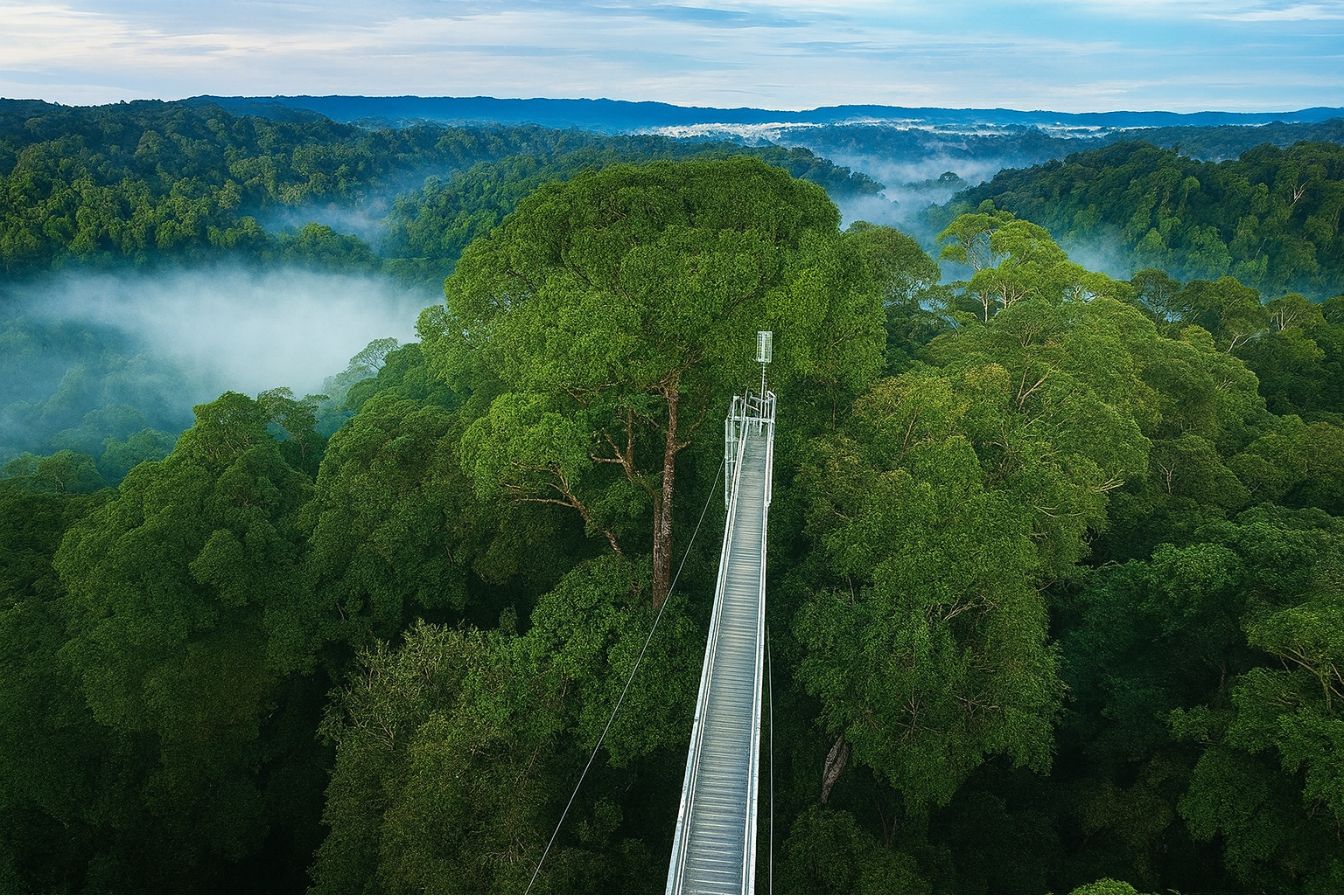 Monteverde sits at 1,440 meters on the Continental Divide with temperatures ranging from 57°F to 75°F (14°C to 24°C) year-round. You need a proper waterproof jacket, waterproof footwear with grip, quick-dry layers, and hiking pants. What you don’t need: cotton, umbrellas, heavy formal clothes, or anything you’d wear to a beach in Guanacaste. This is a different kind of Costa Rica entirely.
Every single time someone shows up in flip-flops or a cotton hoodie and jeans, the trail teaches them the same lesson quickly. Not because those people aren’t prepared in general – they usually just packed for the Costa Rica they expected, not the one they actually arrived at. Monteverde runs about 15 to 20 degrees cooler than San José and feels nothing like the Pacific coast beaches that make up most people’s mental image of the country.
The cloud forest is humid at all times of year. Mist condenses on leaves and drips onto the trails even when it isn’t technically raining. Paths are uneven, root-covered, sometimes steep, and often slippery from either rain or the ever-present moisture. Your gear needs to manage three things: keep you warm enough when the wind picks up, keep you dry when it rains, and keep you moving safely on terrain that punishes bad footwear.
The good news is that the essentials list is actually short. You don’t need expensive specialized gear for most activities here. What you need is the right category of thing. A mid-range waterproof jacket and a pair of proper trail shoes will serve you better than premium cotton outdoor wear and a stylish but non-waterproof sneaker.
First time visiting the cloud forest? Here’s how to plan a trip to Monteverde Cloud Forest tours so you don’t show up unprepared for the fog, the roads, or the booking requirements.
What Is the Layering System That Works in a Cloud Forest?
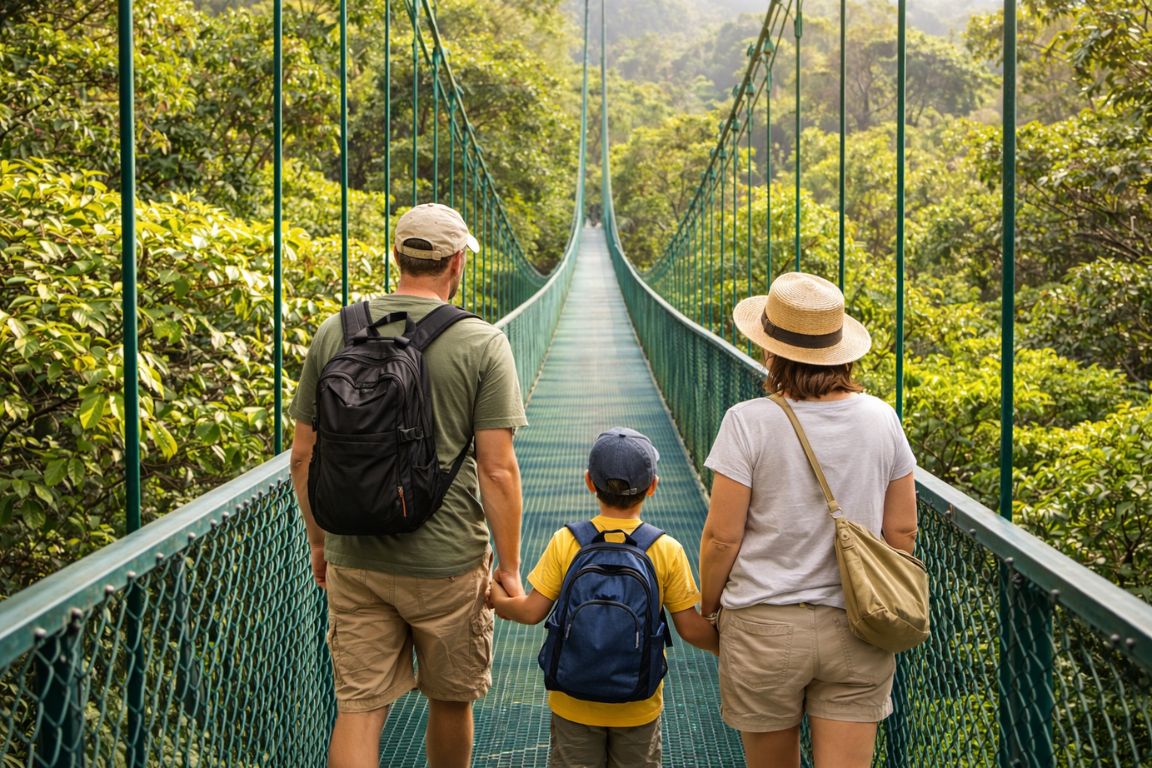 The layering system for Monteverde is three pieces: a moisture-wicking base layer, a warm mid-layer (fleece or insulated), and a waterproof outer shell. You’ll add and remove the mid-layer multiple times throughout a single day as conditions shift from cool and misty in the morning to warmer midday sun to cold and windy in the evenings. This system works in every month of the year.
The base layer is where most people cut corners and pay for it later. Cotton feels fine when you’re dry and standing still. The moment you start hiking and sweating, or the mist hits, cotton absorbs moisture and holds it against your skin. At 57°F with wind, that means you go cold fast. Merino wool is the best option – it manages moisture, resists odor between washes, and stays warm even slightly damp. Synthetic moisture-wicking fabrics are the more affordable alternative and work well. Just avoid 100% cotton for anything next to your skin on trail days.
The mid-layer is your warmth regulator. A medium-weight fleece jacket is the single most useful piece of clothing you can bring to Monteverde. On warm afternoons it goes in your pack. At 7 AM on a trail it goes on under the rain jacket. At night in a restaurant with the door open, it goes on over everything. If you’re prone to running cold, bring a slightly heavier fleece and you’ll thank yourself every evening.
The outer shell must be waterproof, not just water-resistant. Water-resistant fabrics handle light drizzle for twenty minutes before they soak through. Monteverde can go from mist to genuine downpour in under five minutes, and the waterproof-but-breathable distinction matters a lot when you’re still warm from hiking. Look for sealed seams and a hood that actually covers your head rather than sitting at the back of it. Most outdoor brands have solid options in the $80 to $150 range that perform well here.
Skip the umbrella entirely. The wind in Monteverde, especially November through February, makes umbrellas impractical at best and genuinely annoying at worst. On narrow forest trails they catch on branches. A hooded rain jacket solves everything an umbrella tries to solve and leaves your hands free for a camera, trekking poles, or holding on when a trail section gets steep.
What Footwear Do You Need?
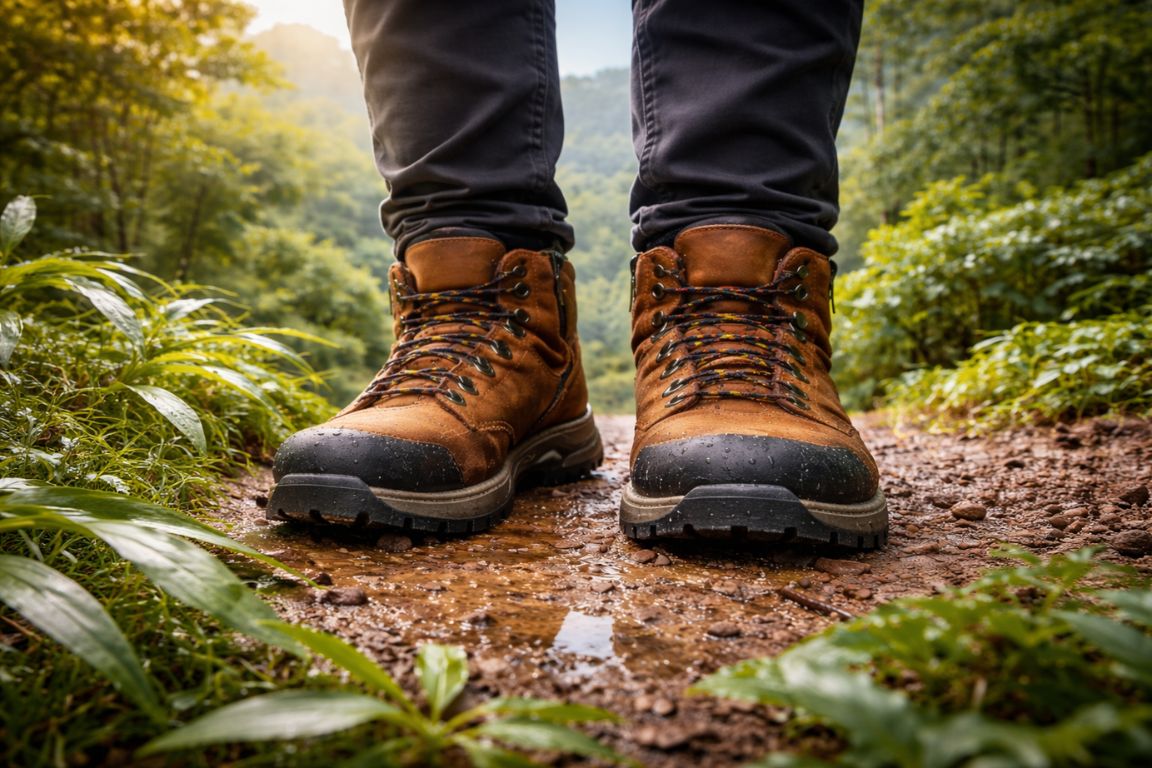 Waterproof hiking footwear with strong traction is the most important item on your packing list. The trails in the Monteverde Cloud Forest Reserve are root-covered, uneven, and frequently wet or muddy regardless of season. Grip matters more than ankle height for most visitors. Break in any new boots at home before your trip – blisters on day one are the most preventable problem we see.
This is the item that causes more problems than anything else when people get it wrong. We’ve watched grown adults turn back from trails they were genuinely excited about because their shoes – perfectly good shoes for most situations – had worn soles with no grip on wet roots. The Essence Trail and Heart of Forest circuits are well-maintained, but “well-maintained cloud forest trail” still means exposed roots, boardwalk sections that get slick with moisture, and the occasional muddy patch after rain. Good grip is the difference between a confident hike and a nervous shuffle.
Waterproof hiking shoes (low-cut) are fine for all three reserve circuits if you have good ankle stability and the trails are in normal condition. Waterproof hiking boots (mid or high cut) give you better ankle support and are worth it if you’re planning longer hikes, are doing the Continental Divide circuit, or visiting in rainy season when trail conditions are softer. Either way, the key word is waterproof. Waterproof-membrane shoes from brands like Salomon, Merrell, Keen, or similar keep your feet dry through normal trail conditions and light stream crossings.
Planning to visit the original reserve? I’ve put together a complete Monteverde Cloud Forest Reserve guide covering trails, timing, and how to navigate this iconic preserve.
| Waterproof low-cut hiking shoes | Reserve circuits, hanging bridges, day hikes, most visitors | Steep off-trail sections, deep rainy season mud |
| Waterproof mid/high hiking boots | All trails, rainy season, longer hikes, ankle support needed | Nothing – these work everywhere in Monteverde |
| Trail running shoes (waterproof) | Dry season circuits, experienced hikers, quick pace | Rainy season mud, wet root sections (less grip than lugged sole) |
| Regular sneakers | Town walking, Santa Elena restaurants, coffee tours | Any trail in the reserve – grip is inadequate on wet surfaces |
| Sandals / flip-flops | Hotel, airport, casual town errands | Every trail, every tour, every outdoor activity in Monteverde |
| Rubber boots (rented on-site) | Available to rent at some reserves in rainy season | Not comfortable for long circuits; grip varies by boot quality |
Socks deserve a separate mention. Wool or synthetic hiking socks, packed in multiples. Wet socks create blisters faster than almost anything else, and in a cloud forest where your feet may encounter moisture from the ground even in dry season, having a dry pair to change into mid-trip changes the whole experience. Tuck your socks over your pant cuffs on night walks – this keeps leeches (present in rainy season) and insects off your ankles without any extra gear.
Not sure what the current trail conditions are before your visit? Check a guided reserve walk for your dates, then pack the footwear on this list to match.
What Should You Wear on a Day Hike in the Reserve?
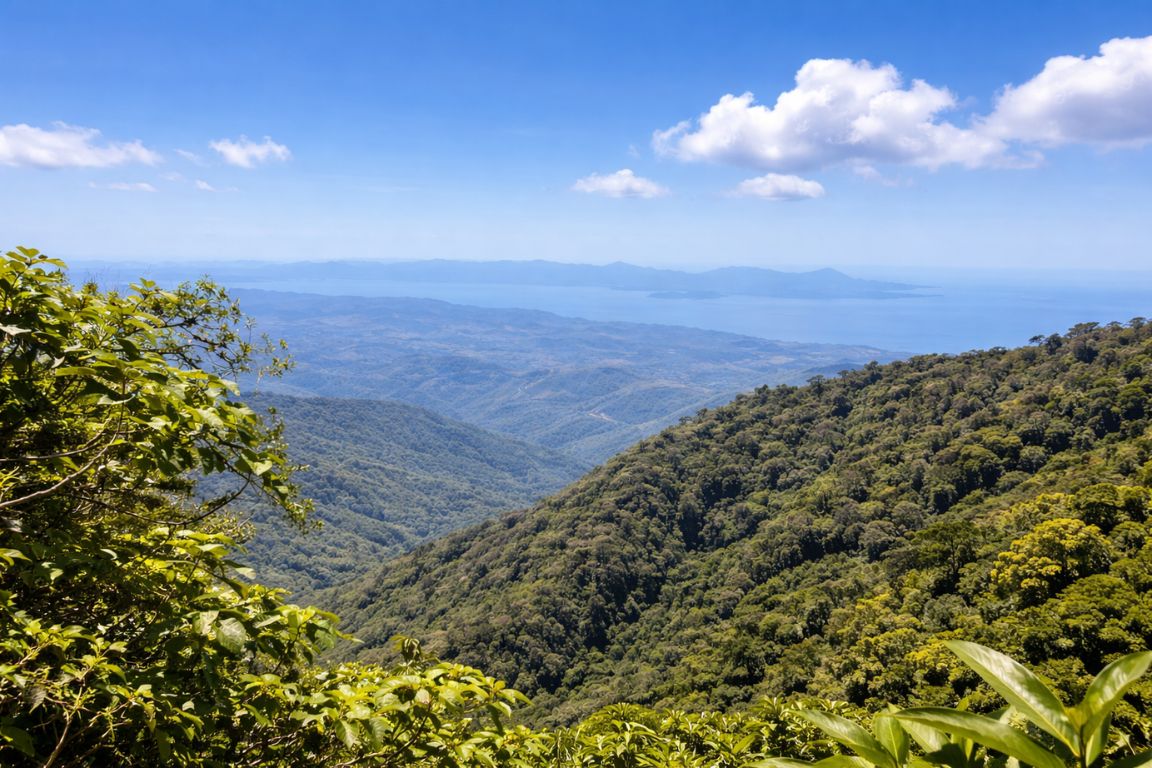 For a day hike in the Monteverde Cloud Forest Reserve, wear waterproof hiking footwear, quick-dry hiking pants (long), a moisture-wicking long-sleeve base layer, a fleece mid-layer in your pack, and a waterproof rain jacket on top or at hand. Add a wide-brim hat with a chin strap and sunscreen – UV at 1,440 meters is stronger than it feels on an overcast day.
The circuit check-in is at the Visitors Center, 1.6 km below the reserve entrance, and a complimentary shuttle takes you to the trailhead from there. That ride is covered and quick, but once you’re on trail the weather is entirely yours to deal with. The mist comes and goes. The hanging bridge section on the Heart of Forest circuit can feel 5 degrees cooler than the rest of the trail just from the exposure. Having your fleece accessible in your pack, not buried at the bottom, matters.
Long pants serve two purposes on trail days: physical protection and warmth. Branches, roots, and undergrowth at waist height are common on some trail sections, and long pants keep your legs clean and scratch-free. More importantly, they keep you significantly warmer if the mist picks up or you hit the exposed sections near the Continental Divide viewpoint. Convertible zip-off pants are the most practical option – zip them to shorts if midday warms up, back to long pants for the return.
Avoid jeans. This feels obvious but we see it regularly. Jeans hold moisture, don’t dry quickly, restrict movement on root climbs, and feel genuinely miserable once wet. If you brought only jeans and need trail pants, Santa Elena has outdoor shops that stock the basics, though selection and sizing can be limited.
A few additional items worth having in your daypack: an extra pair of dry socks, a waterproof pack cover or a waterproof bag for your camera and electronics, sunscreen (UV at altitude through cloud cover is sneakily strong), and a reusable water bottle. There are no water sources or bathrooms inside the reserve circuits once you’re on trail. The cafeteria and bathrooms are at the entrance building only.
What Should You Wear on a Night Walk?
For a night walk in Monteverde, wear long pants, a warm fleece or insulated layer, a rain jacket, and closed-toe shoes with good grip. Neutral or dark colors are better than bright ones – some evidence suggests bright colors can disturb nocturnal insects. Tuck your pants into your socks. Apply insect repellent before you go. The temperature drops noticeably after sunset and the trails are wet regardless of season.
The night walk is a completely different experience from the daytime hike, and the clothing choices reflect that. Temperature is the first issue. Monteverde evenings run cold – anywhere from 57°F to 65°F (14°C to 18°C) depending on season and wind – and once you’re standing still watching a guide work a tarantula out of its hole, you feel the cold in a way you don’t during active hiking. The fleece goes on before you leave. Not halfway through the walk when you’ve already been cold for twenty minutes.
The second consideration is what your clothing says to the forest. Bright white or neon-colored clothing can startle some nocturnal species and disrupt how your guide uses light. Most reserve operators recommend neutral colors – greens, browns, dark grays, black – for the same reason they ask you not to use camera flash. You’re a visitor in someone else’s active night. Dressing low-profile is part of respecting that.
Tucking pants into socks sounds fussy until you understand why it matters. Leeches in rainy season move quickly up fabric and find skin fast if your pants are open at the ankle. Even in dry season, forest insects and the occasional small spider take the same route. The tuck takes ten seconds and eliminates the issue. Your guide will remind you, but doing it before you set off is better than discovering why mid-walk.
A headlamp is more useful than a handheld flashlight on a night walk because it keeps your hands free for a camera and for steadying yourself on uneven terrain. Most tour operators provide flashlights, but a personal headlamp gives you better control. Some guides use red-spectrum light to reduce wildlife disturbance – don’t shine your own white light at animals the guide is trying to observe quietly.
Insect repellent at altitude is less critical than at the coast, but the dusk and night hours bring out gnats and other small insects that can be genuinely irritating on the ears and neck. Apply before departure. If you’re sensitive or going in rainy season, a long-sleeve base layer plus repellent on exposed skin is worth doing.
What Should You Wear in Dry Season vs Rainy Season?
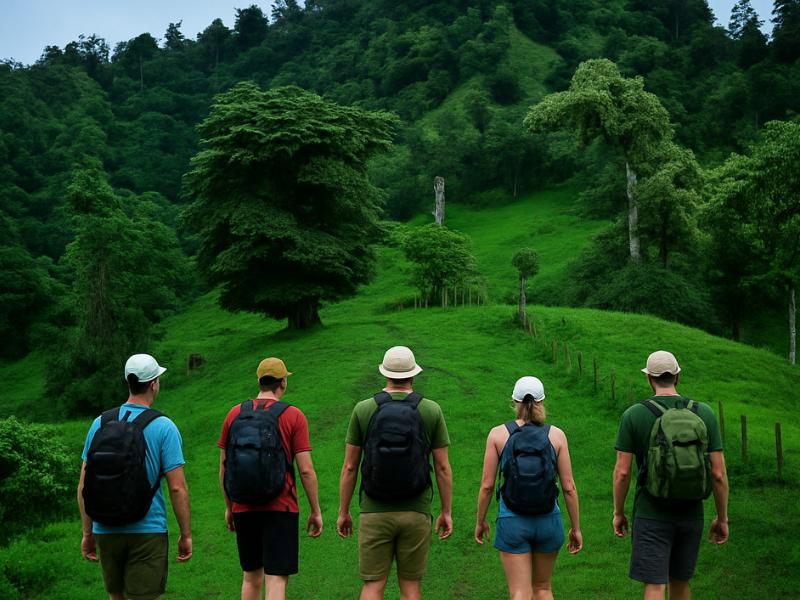
The core packing list is nearly identical in both seasons – the difference is degree, not category. Dry season (December through April) you’ll use your rain jacket less, your fleece more in the evenings, and trail conditions are firmer. Rainy season (May through November) you’ll wear your rain jacket daily, pack a backup dry set of clothing, and want higher-grip footwear more urgently. The biggest seasonal variable is how aggressively you need to protect electronics and non-waterproof gear.
In dry season the mornings are often clear and you might spend several hours on trail without needing your rain jacket at all. Carry it anyway. This is still a cloud forest, and “clear morning” in Monteverde doesn’t mean what it means at sea level. The mist rolls through regardless. But the jacket stays in your pack more often, the trails dry out between rains, and footwear that would struggle in November usually handles March without issues.
Rainy season changes the calculation. June through October, the afternoon rain is a reliable feature and some days it arrives before noon. The rain jacket goes on before you leave your hotel. Waterproofing your daypack or using a pack cover is less optional. Trails develop mud sections that reveal exactly which footwear has real grip and which doesn’t. Rainy season also means the forest floor is wetter for longer – your socks will thank you for being synthetic rather than cotton after the third trail crossing of the day.
| Rain jacket | Pack it; you may not use it daily | Wear it daily; essential before leaving hotel |
| Fleece / warm layer | Mornings and evenings; nights can be windy-cold | Same, plus useful when rain brings temperature down |
| Footwear | Waterproof with grip; lower chance of deep mud | Waterproof with grip; higher-lug sole strongly recommended |
| Extra socks | 2-3 pairs sufficient | 3-4 pairs; change mid-day on long trail days |
| Daypack rain cover | Useful; occasional use | Use it daily; protect electronics aggressively |
| Backup dry outfit | Optional | Strongly recommended; leave dry clothes at hotel for return |
| Sunscreen | Apply daily – UV strong at altitude even through cloud | Same; clouds do not block UV radiation |
| Insect repellent | Light use; mainly for night walks | More active insect environment; use daily especially at dusk |
The windy season (November through early February) adds one variable that neither dry nor rainy season covers: sustained cold wind. January in particular can drop into the low 60s Fahrenheit (around 15°C) with wind that makes it feel significantly colder. Pack a slightly warmer fleece than you think you need if you’re visiting in this window, and consider a light buff or neck gaiter for windy trail sections and evening walks.
If you want the full picture before choosing dates, here’s our Monteverde Cloud Forest tours by month guide showing you what changes from dry season clarity to wet season atmosphere.
What NOT to Bring, and What to Buy in Santa Elena
Leave behind: cotton base layers, umbrellas, heavy formal clothing, expensive jewelry, and any footwear that isn’t closed-toe and grippy. In Santa Elena you can buy insect repellent, sunscreen, basic ponchos, sweatshirts, and some trail gear but the selection is limited and prices are higher than at home. Get your rain jacket and footwear before you arrive. Everything else is available locally if you forget it.
The no-cotton rule is worth repeating because people resist it. Cotton feels comfortable and familiar. It’s what most people own. In Monteverde, it becomes a liability the moment it absorbs moisture – from sweat, from trail mist, from rain, and stops insulating. The cloud forest is not the place to test whether your cotton hoodie “probably dries fast enough.” It doesn’t. Merino wool or synthetic is the right call for any layer that matters.
Umbrellas. We see them arrive. We see what happens to them. The wind in this region – especially along the Continental Divide trails and during November through February – defeats umbrellas reliably. They invert, they snag on branches, they block your view of the canopy at exactly the wrong moment. A hooded rain jacket costs more upfront but solves everything an umbrella promises and creates none of the problems.
Formal or heavy clothing has no role in Monteverde. The town of Santa Elena is casual to its bones. The nicest restaurants here are places where hiking pants and a clean fleece are entirely normal. You’ll carry weight you never use if you pack for a San José hotel dinner itinerary. Light and functional is the actual dress code at every meal and activity in the area.
What Santa Elena does offer: there are shops in town that stock basic outdoor supplies – ponchos, sweatshirts with cloud forest logos, sunscreen, insect repellent, basic walking shoes, and some waterproof layer options. If you forget something manageable, the town has you covered. What it doesn’t reliably stock in your size and style: quality waterproof hiking boots, technical rain jackets, and specialized gear. Don’t count on finding those. Get them before you leave home.
If you’re still figuring out your itinerary and what you’ll actually need, start with a cloud forest experience and add a night walk around it.
Packing List by Trip Length
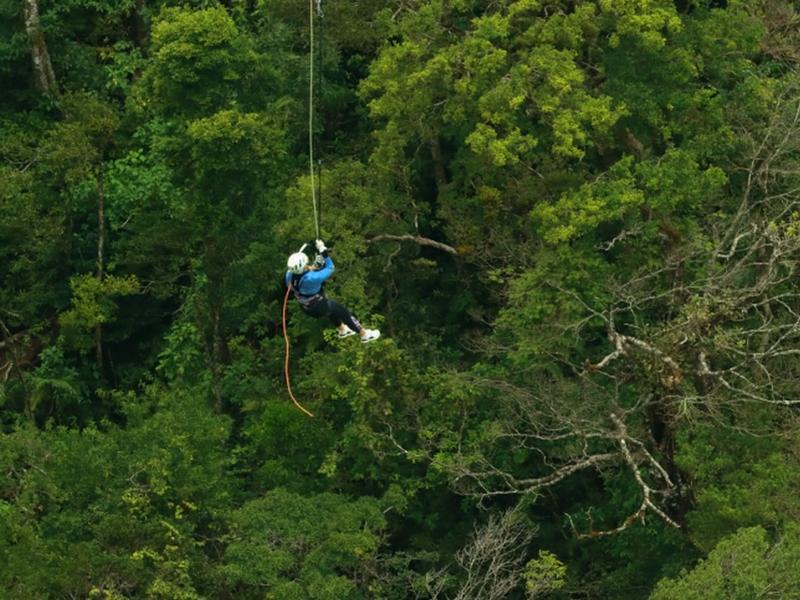
A 2-night Monteverde trip needs significantly less than a 5-night stay, but the core essentials don’t change regardless of length. The difference is in how many changes of clothing you need given that quick-dry fabrics re-wear more easily than cotton. Below is a working packing list scaled to trip length.
The philosophy is to pack light and rely on quick-dry fabrics that you can rinse and hang overnight. Most Monteverde hotels have drying space. A fleece that airs out, a base layer that dries by morning, and two pairs of hiking pants will take you further than a heavy suitcase of cotton options that never fully dry in humid cloud forest air.
Packing List: 2-Night Trip
Two moisture-wicking base layers (long sleeve), one fleece mid-layer, one waterproof rain jacket, one pair of waterproof hiking shoes already broken in, three pairs of wool or synthetic hiking socks, one pair of quick-dry hiking pants, one pair of casual pants or light jeans for evenings in town, sunscreen, insect repellent, a headlamp or small flashlight (useful for night walks), reusable water bottle, daypack with rain cover or waterproof liner.
Packing List: 4 to 5-Night Trip
Everything above, plus: one additional quick-dry base layer, one additional pair of hiking pants or convertible zip-offs, a light neck buff or gaiter (especially useful in windy season), a second pair of casual shoes for town use and evenings, and a waterproof bag or dry sack for camera and electronics. If you’re planning a night walk, add: a personal headlamp, neutral-color long-sleeve layer for evening temperatures.
Trying to figure out your schedule? Check out how many days you need in Monteverde Cloud Forest tours – most people either rush through in one day or end up with too much downtime after seeing the main reserves.
Frequently Asked Questions
Do I really need waterproof boots for Monteverde?
Waterproof hiking footwear with good grip is the single most important item on your list. The trails are wet, root-covered, and uneven regardless of season. Regular sneakers provide inadequate grip on wet surfaces, and non-waterproof shoes leave you with wet feet within the first hour of any trail. If you only invest in one item for this trip, make it the footwear.
Can I wear shorts in Monteverde?
In town, yes. On trails, shorts are not recommended – long pants protect your legs from branches and undergrowth, keep you warmer in the cool cloud forest air, and are required on night walks where insect exposure at ankle height is a consideration. Many hikers start in convertible pants and zip them to shorts if the afternoon gets warm, which gives you flexibility without committing to one extreme.
Is it cold enough to need a heavy jacket?
A heavy winter parka is unnecessary. A medium-weight fleece layered under a waterproof shell covers all conditions you’ll encounter in Monteverde, including the coldest January nights. If you run cold or you’re visiting in the windy season (November through February), lean toward a slightly heavier fleece rather than an ultra-light one. The key is having both the fleece and the waterproof shell, not relying on one thick layer to do everything.
What should I wear to dinner in Monteverde?
Casual and comfortable. The town of Santa Elena is relaxed – hiking pants and a clean fleece or light sweater are standard at any restaurant in the area, including the nicer ones. There’s no venue in Monteverde that requires formal attire. Save the luggage space for an extra pair of trail socks.
Do I need special clothing for the zipline or hanging bridge tours?
Closed-toe shoes with grip and fitted clothing that won’t catch on harness equipment are the main requirements for ziplining. Avoid loose layers, scarves, or anything dangling that could interfere with the harness system. For hanging bridges, standard trail clothing applies. Leave cameras in your pack on zipline sections – most operators have specific rules about loose items.
Is insect repellent necessary in Monteverde?
More so than most people expect at altitude. Mosquitoes are far less prevalent here than on the coast, but gnats, small flies, and nighttime insects are active – especially in the rainy season and on evening tours. Apply insect repellent before any night walk. On day trails the need is lower, but having it on hand is never a mistake in a tropical forest.
Choose Your Monteverde Experience
An editorial starting point, before you enter preferences. Confirm dates, party requirements and extras.
Monteverde Reserve Naturalist Walk
Check your travel date before arranging the rest of this outing. Explore the main reserve with a naturalist and shared spotting scope.
2–3 hours; English/Spanish. Meet at the reserve reception; reserve admission and hotel transport cost extra. Listed ages 3–90, minimum two travellers; confirm the circuit before buying admission.
Choose a date for Viator scheduled departures. Final availability and price are confirmed on Viator.
Choose only what matters. Missing answers keep the recommendation provisional. Individual suitability and exact pickup still need confirmation.
| Monteverde Reserve Naturalist Walk | Explore the main reserve with a naturalist and shared spotting scope. 2–3 hours; English/Spanish. Meet at the reserve reception; reserve admission and hotel transport cost extra. Listed ages 3–90, minimum two travellers; confirm the circuit before buying admission. |
|---|---|
| Wildlife Refuge Small-Group Night Walk | Search for nocturnal wildlife with a guide, flashlights and spotting scope. 2 hours; English/Spanish. Meet at Monteverde Wildlife Refuge. Reserve entry and transport are extra. Confirm child arrangements and the chosen group option. Sightings are not guaranteed. |
| Selvatura Hanging Bridges Walk | Walk the cloud-forest canopy on hanging bridges at your own pace. About 2 hours, self-guided. Meet at Selvatura Park; hotel transport, a guide and food are excluded. Children need an adult; provider restrictions include pregnancy and certain heart/back conditions. |
| Kinkajou Forest Night Walk With Pickup | Explore a private forest after dark with a guide and local hotel pickup. 1.5-hour walk; English/Spanish, small group up to eight. Confirm your exact pickup location and timing. Kinkajou Forest is separate from the main reserve. Wildlife sightings are not guaranteed. |
Compare Your Group’s Costs
Enter your own quotes in the same currency for the same people. Include admission, transport and fees on both sides. These are your totals, not live tour prices.
Enter both totals to compare the cost of your independent plan with the guided experience.