Monteverde Cloud Forest Reserve Guide
Monteverde Cloud Forest now uses timed circuits - $29 per adult, limited spots, no late entry. Book ahead and choose the right trail for your visit.
Choose the actual reserve before buying admission or guiding: Monteverde, Santa Elena and Curi-Cancha have separate routes and meeting points.
Booking Choice. Explore the main reserve with a naturalist and shared spotting scope. Explore Monteverde Reserve Naturalist Walk
Monteverde Cloud Forest Reserve: Essential Facts
| Official Name | Reserva Biológica Bosque Nuboso Monteverde |
| Managed By | Tropical Science Center (TSC) – private, non-governmental organization |
| Founded | 1972 (started with 328 hectares; now 10,500 hectares) |
| Location | 6 km east of Santa Elena, along the Continental Divide, Puntarenas province |
| Elevation | 1,400-1,800m (4,600-5,900 ft) |
| Size Open to Public | ~3% of total reserve; 13 km (8 miles) of trails |
| Opening Hours | 7:30 AM – 4:00 PM daily, year-round |
| Entry System | Circuit-based time slots since December 2025; no day passes |
| Adult Entry (Foreign) | $29 per circuit | Children 5-11: $16 | Under 5: Free | Prices verified March 2026 |
| Costa Rica Residents | $10 per circuit; children under 5 free |
| Capacity | 26 people per time slot; max 250 inside at once; 450 per day |
| Booking | cloudforestmonteverde.com – online only; no walk-up purchases during peak season |
| Late Arrival Policy | Reservation forfeited with no refund if you miss your shuttle |
| IUCN Status | IUCN Green List 2025 – among world’s best-managed protected areas |
| Annual Visitors | ~70,000 per year |
Prices verified March 2026. Always confirm current schedules and availability at cloudforestmonteverde.com before your visit.
What Is the Monteverde Cloud Forest Reserve?
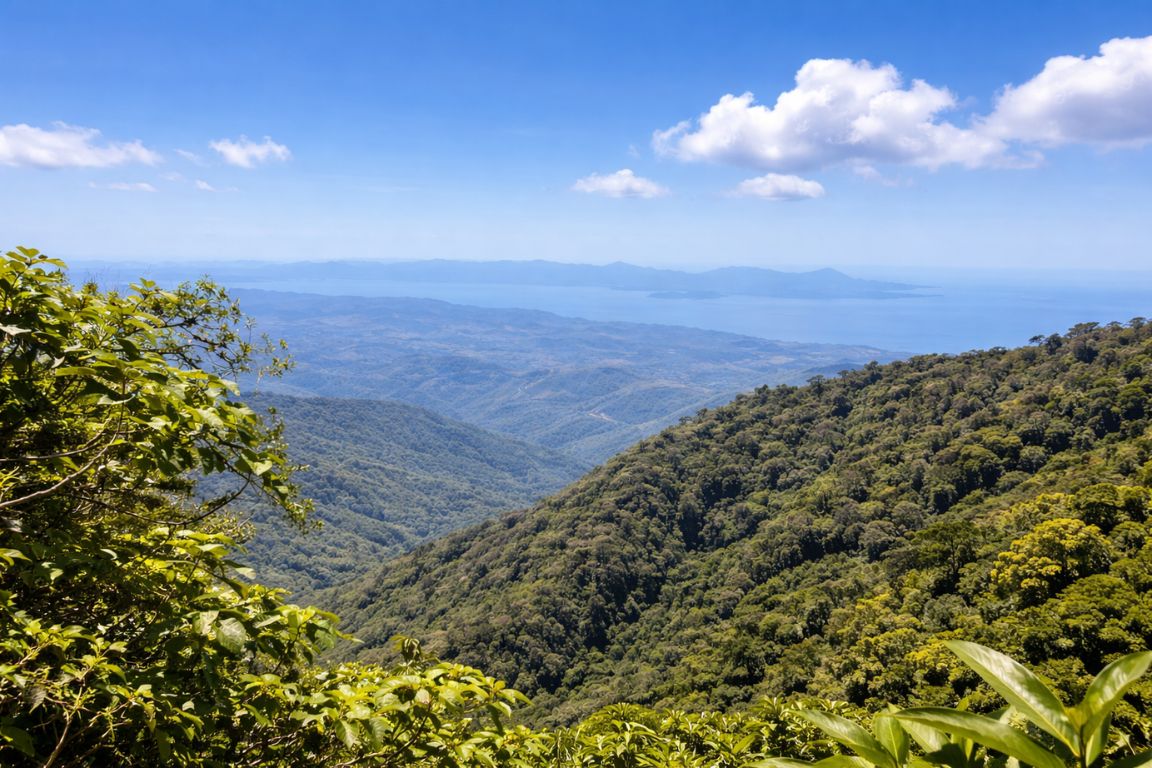 The Monteverde Cloud Forest Reserve is one of the most biologically significant privately protected areas on Earth. It sits on the Continental Divide at the boundary between the Pacific and Caribbean slopes, where two weather systems collide and produce a near-constant mist that feeds one of the rarest ecosystems in existence. Cloud forests cover less than 0.26% of the planet’s surface. Monteverde’s reserve protects 10,500 hectares of it – a number that understates the strangeness of the place you are about to walk into.
The forest grows differently here because of the way it gets its water. Rather than rain falling vertically from above, moisture arrives horizontally – cloud condensing on every surface and dripping downward through the canopy. This mechanism feeds plants that could not survive anywhere else. Air plants root directly on bark and pull nutrients from fog. Mosses grow so thick on trunks and branches that the trees look padded. Over 500 species of orchid live in the reserve, more in one place than anywhere else in the world. Walking into the cloud forest for the first time, the sensation is one of entering something that does not follow the usual rules of a forest.
The reserve began with a political act. In the early 1950s, eleven Quaker families from Alabama refused conscription during the Korean War and chose Costa Rica – which had abolished its army in 1948 – as their new home. They settled in Monteverde and built a dairy community. By the late 1960s, conservationist George Powell arrived to study the birds and found a forest under pressure from hunting and encroachment. Working with Quaker community member Wilford Guindon and the Tropical Science Center, Powell secured the first 328 hectares in 1972. World Wildlife Fund funding, international conservation donations, and decades of careful stewardship expanded that to 10,500 hectares. In 1975, the reserve received 431 visitors. Today it receives around 70,000 per year.
The reserve is not a national park. It is privately managed by the Tropical Science Center, a Costa Rican non-governmental organization dedicated to conservation and research. Entry fees go directly into maintaining the forest, funding scientific research, and supporting environmental education programs in 12 local schools. The reserve has contributed to over 1,200 scientific publications since its founding. In 2025, it was included in the IUCN Green List – recognition as one of the world’s best-managed protected areas.
Planning your visit to the Monteverde Cloud Forest Reserve? A 3-hour guided cloud forest walk is the usual next step after you understand how timed circuits work. If you want transport from your hotel included, check the guided tour with hotel pickup.
How Do You Buy Tickets and Book a Time Slot?
As of December 8, 2025, the reserve no longer sells day passes. All visits require advance booking of a specific circuit at a specific time slot through cloudforestmonteverde.com. The process is straightforward: choose your circuit, choose your date and time, complete the purchase. You will receive a confirmation that serves as your entry document. The booking system is the only legitimate way to secure entry – there are no walk-up tickets available during peak season, and no refunds for late arrivals who miss their shuttle.
A few details that matter when you are booking. You check in not at the reserve entrance but at the Visitors Center, located about 1.6 kilometers below the reserve entrance. A complimentary shuttle van runs from the Visitors Center to the trailhead at regular intervals. Your time slot is the exact departure time of that shuttle. If you arrive late – even by a few minutes – the shuttle will have left and your slot may not be honored. Arrive 15 minutes before your scheduled time. This is not advisory language. It is a real constraint with real consequences.
The Visitors Center has free parking. If you are arriving by taxi or bus from Santa Elena, local buses run from the Banco Nacional in Santa Elena at scheduled intervals for around $3 each way. A taxi from Santa Elena to the Visitors Center costs approximately $8-$12 each way. The Visitors Center also has the reserve’s restaurant, souvenir shop, art gallery, and hummingbird garden. Most guides suggest spending 20-30 minutes at the hummingbird gallery before or after your circuit – it is free with your reserve visit and features six to eight species in close proximity that most visitors are not expecting.
For guided tours, the guide fee is separate from the circuit ticket. You book the circuit directly through cloudforestmonteverde.com, and the guide separately through a tour operator. Some operators handle both bookings for you as part of a package; compare a guided cloud forest walk to see how that listing is sold. If you want a private guide for the morning early-bird walk or a dedicated quetzal-spotting session, book both the circuit and the guide at least one to two weeks in advance during peak season and a few days in advance during green season.
First time visiting the cloud forest? Here’s how to plan a trip to Monteverde Cloud Forest tours so you don’t show up unprepared for the fog, the roads, or the booking requirements.
| Adult Circuit Ticket (Foreign) | $29 | cloudforestmonteverde.com | Book in advance; no walk-up during peak season |
| Child Circuit Ticket (Foreign, ages 5-11) | $16 | cloudforestmonteverde.com | Children under 5 free |
| Resident / Citizen Circuit Ticket | $10 | cloudforestmonteverde.com | Proof of residency required at check-in |
| Guided Tour (group, 2.5 hrs) | $35-$65/person + circuit ticket | Reserve desk or tour operators in Santa Elena | Guide fee separate from entry; small groups of 6-8 |
| Private Guided Tour | $80-$120/person + circuit ticket | Tour operators; book in advance | Guide uses scope; best for quetzal and wildlife focus |
Prices verified March 2026. Check cloudforestmonteverde.com for current schedule availability before booking.
Which Trail Circuit Should You Choose?
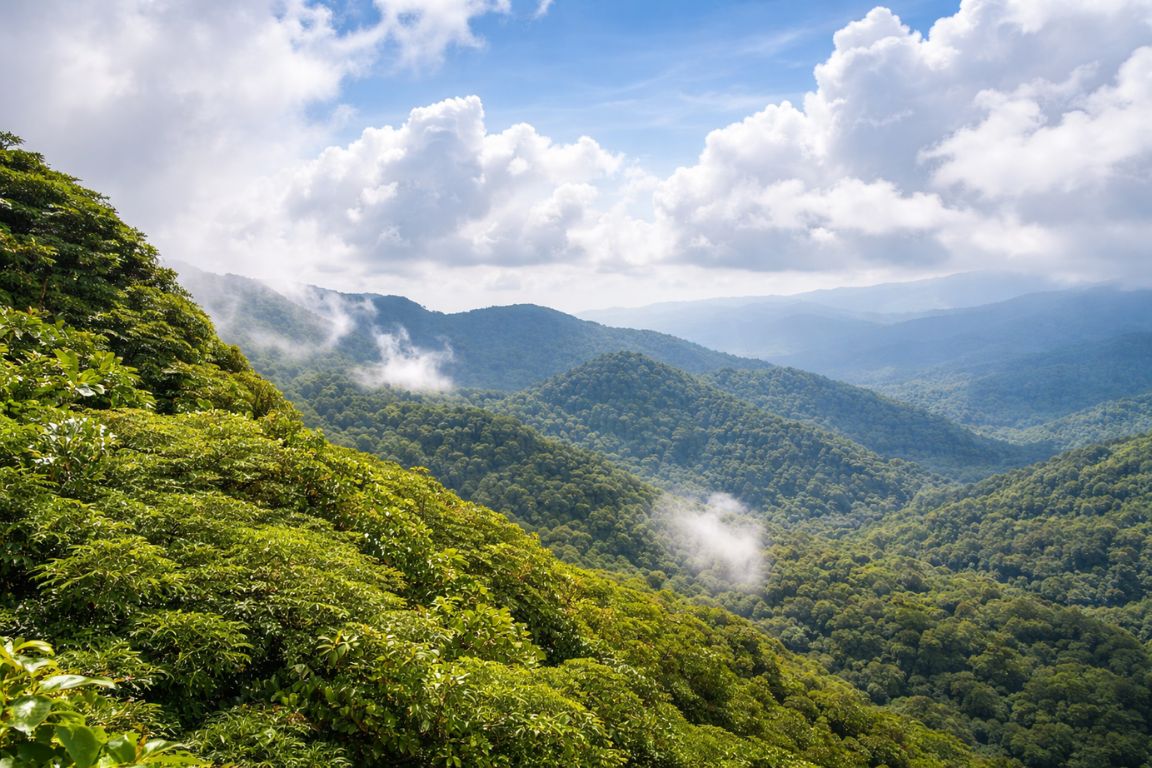 The three circuits give different levels of depth, physical demand, and access. The Essence Trail (1.4 km, ~1.5 hours) is the entry-level circuit: a waterfall, a towering centennial fig tree, and a gentle introduction to the cloud forest’s character. The Heart of Forest Trail (2.8 km, ~2 hours) includes the hanging bridge and more varied canopy coverage – this is the most popular circuit and the right choice for most first-time visitors. The Continental Divide Trail (4.1 km, ~3 hours) is the most demanding, reaching the La Ventana viewpoint where you can see both the Pacific and Caribbean sides simultaneously on a clear morning.
The circuit change implemented in December 2025 replaced the old system where visitors could explore freely across all trails. Under the current system, each circuit is one-directional with no re-entry. You follow the designated route for your chosen circuit and exit at the end. If you want to do more than one circuit, you book a second ticket at a different time slot – the same day or a different day.
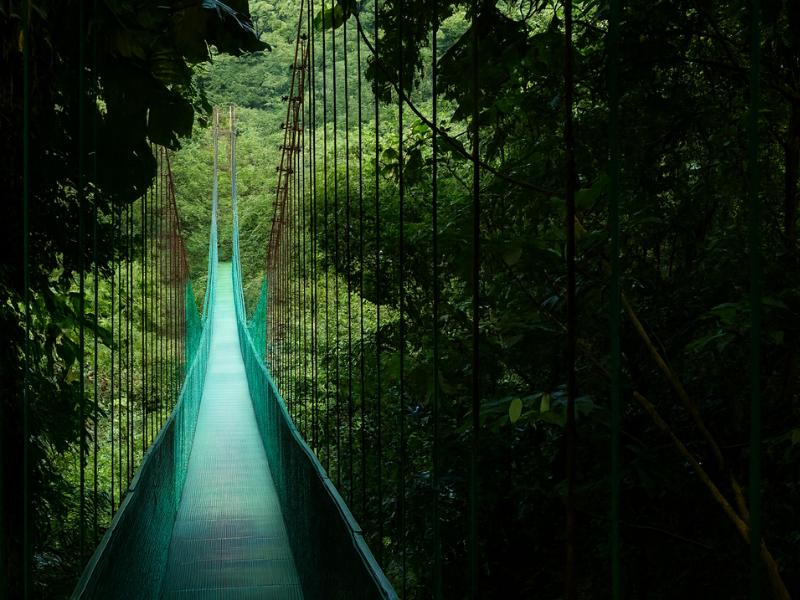
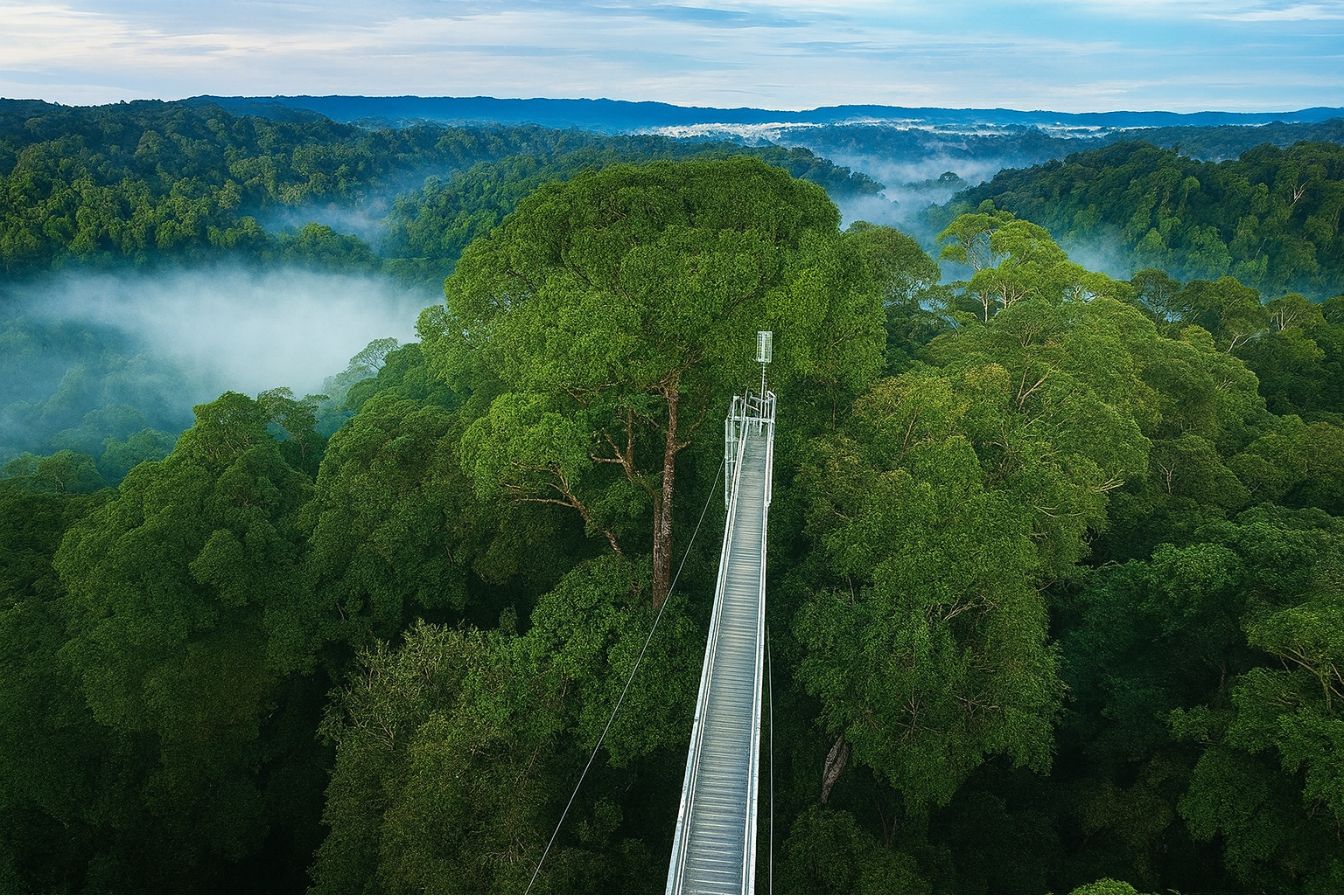
The hanging bridge is the feature that most visitors specifically want to see, and it is included only in the Heart of Forest and Continental Divide circuits, not the Essence Trail. The bridge is the red suspension bridge that appears in most photographs of the reserve – it spans the canopy at height, giving a perspective of the forest impossible from the trail below. Both circuits that include it are suitable for most adults in reasonable fitness. The Continental Divide Trail additionally involves a steep section to reach the La Ventana viewpoint; this section is worthwhile on a clear morning when the views open across both slopes, but clouds frequently sit at that elevation and obscure the view entirely. Check the morning conditions before committing to the Continental Divide circuit specifically for the viewpoint.
| Essence Trail | 1.4 km (0.9 mi) | ~1.5 hrs | Easy | Centennial ficus tree; Cuecha Cascade waterfall; understory mosses and ferns | Families with young children; limited time; limited mobility; introductory visit |
| Heart of Forest Trail | 2.8 km (1.7 mi) | ~2 hrs | Easy-Moderate | Hanging bridge; varied canopy levels; best trail for wildlife sightings with guide | Most first-time visitors; couples; anyone wanting the hanging bridge |
| Continental Divide Trail | 4.1 km (2.5 mi) | ~3 hrs | Moderate | Hanging bridge; La Ventana viewpoint (Pacific and Caribbean views); greatest elevation change | Experienced hikers; clear-morning visits; repeat visitors wanting maximum depth |
Duration estimates based on average pace with normal stops. With a guide, add 30-45 minutes. Verified March 2026.
What Is the Best Time of Day to Visit?
The first time slot of the morning – 7:30 AM – is the most productive time to be in the reserve, for two reasons. Birds are most active in the first two hours after dawn, when feeding behavior peaks across species and the quetzal moves through the canopy near fruiting avocado trees. And the early slot gets you into the forest ahead of the larger tour groups that fill the mid-morning slots during peak season. By 9:30 AM in high season, the Essence and Heart of Forest trailheads are noticeably busier. By 11 AM, the forest can feel crowded in the first kilometer.
The relationship between time and cloud cover is worth understanding. The Monteverde cloud forest is defined by mist, not by specific rain events. But the cloud tends to sit lowest and densest in the early morning before the sun warms the air. This produces the most atmospheric forest light – green filtered through white, everything dripping, everything close and quiet. By mid-morning, if the day is going to clear at all, it usually starts to lift slightly. By early afternoon, the clouds often thicken again and visibility in the upper canopy drops. For photography, early morning under mist is extraordinary. For long-distance views at La Ventana, early on a dry-season day offers the best chance of a clear window.
The forest after rain is worth knowing about. A shower in the hours before your visit does not ruin the experience – it enhances it. Moss saturates to a more vivid green. Waterfalls swell. The sounds of the forest intensify. Frogs become more visible along trail margins. The single condition that reduces wildlife sightings meaningfully is heavy ongoing rain during the visit itself, when animals shelter and guides find it difficult to use their scopes. A morning visit after a dry night, with overcast skies, is often the best possible condition for a guided wildlife walk.
Timing matters in the cloud forest. The best time to visit Monteverde Cloud Forest tours depends on whether you want dry trails, better wildlife sightings, or you’re okay with constant fog and rain for fewer crowds.
Do You Need a Guide at the Monteverde Cloud Forest Reserve?
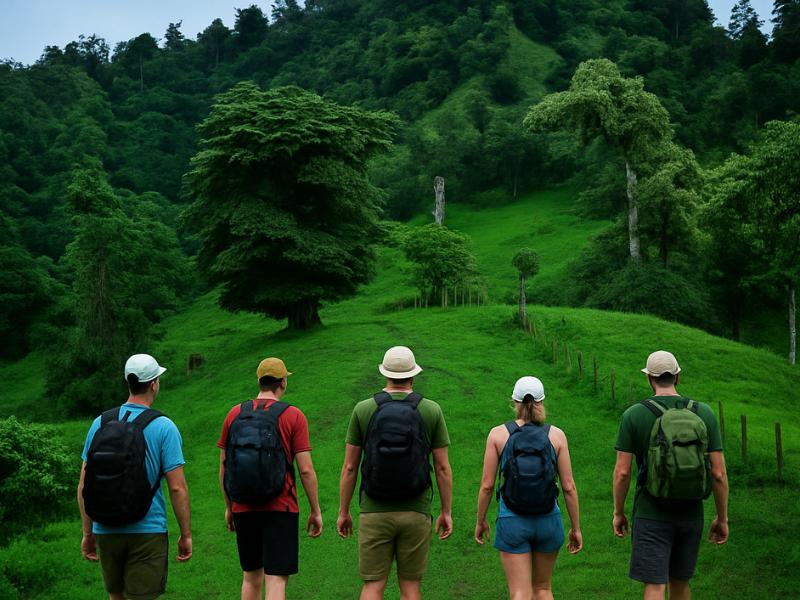
For the trail itself, no – the circuits are clearly marked and self-guided walking is entirely possible. For wildlife, yes, unambiguously. The cloud forest is one of the most biodiverse environments on the planet, and almost none of that biodiversity is visible to an untrained eye walking alone. The quetzal you will not see without a guide who has a spotting scope and knows which avocado trees are currently fruiting. The pit viper coiled on a branch at eye level you will walk past without seeing. The glass frog on the underside of a leaf over the stream. The motmot in the shadow. None of these require luck with a guide. All of them require it without one.
The difference is not subtle. Groups with guides come out talking about specific animals by name, specific behaviors they witnessed, specific ecological relationships they now understand. The forest is not withholding from the first group. It simply requires interpretation that the trail markers cannot provide.
A good naturalist guide at the Monteverde Cloud Forest Reserve brings a spotting scope, which changes everything at distance. The quetzal that is a green smudge sixty meters up in the canopy becomes a resplendent bird in extraordinary detail through a 60x scope. The guide sets the scope on a sloth motionless in the canopy, and you watch it breathe. Without the scope, both animals are theoretically there. In practice, for most visitors, they might as well not be.
The reserve offers its own guided walks, which are structured, educational, and use sections of trail reserved for guided groups only – quieter sections not accessible to self-guided visitors. Group tours run about 2.5 hours and include up to 8 participants. Private tours are more expensive but deliver a completely different pace and focus. For quetzal spotting specifically, a private guide during February through June who works the reserve regularly and tracks the fruiting avocado trees is the only reliable path to a sighting.
| First-time cloud forest visitor | Strongly yes | The forest requires interpretation; trail without guide produces landscape not wildlife | Small group guided walk (6-8 people max) |
| Birder targeting quetzal | Essential | Guides track fruiting avocados week to week; spotting scope makes the sighting | Private guide; February-June; first morning slot |
| Experienced naturalist / repeat visitor | Optional | Trail is self-navigable; wildlife knowledge present | Self-guided or private guide for specific targets |
| Family with young children | Yes | Guide can explain forest at children’s level; keeps pace appropriate; maximizes sightings for all ages | Small group family tour or private guide |
| Photography focus | Yes | Guide positions scope and knows where light and subjects align at each time of day | Private guide with photography experience; early slot |
If you want a naturalist on the trail with you, start with a 2-hour guided cloud forest walk .
What Wildlife Can You See at the Monteverde Cloud Forest Reserve?
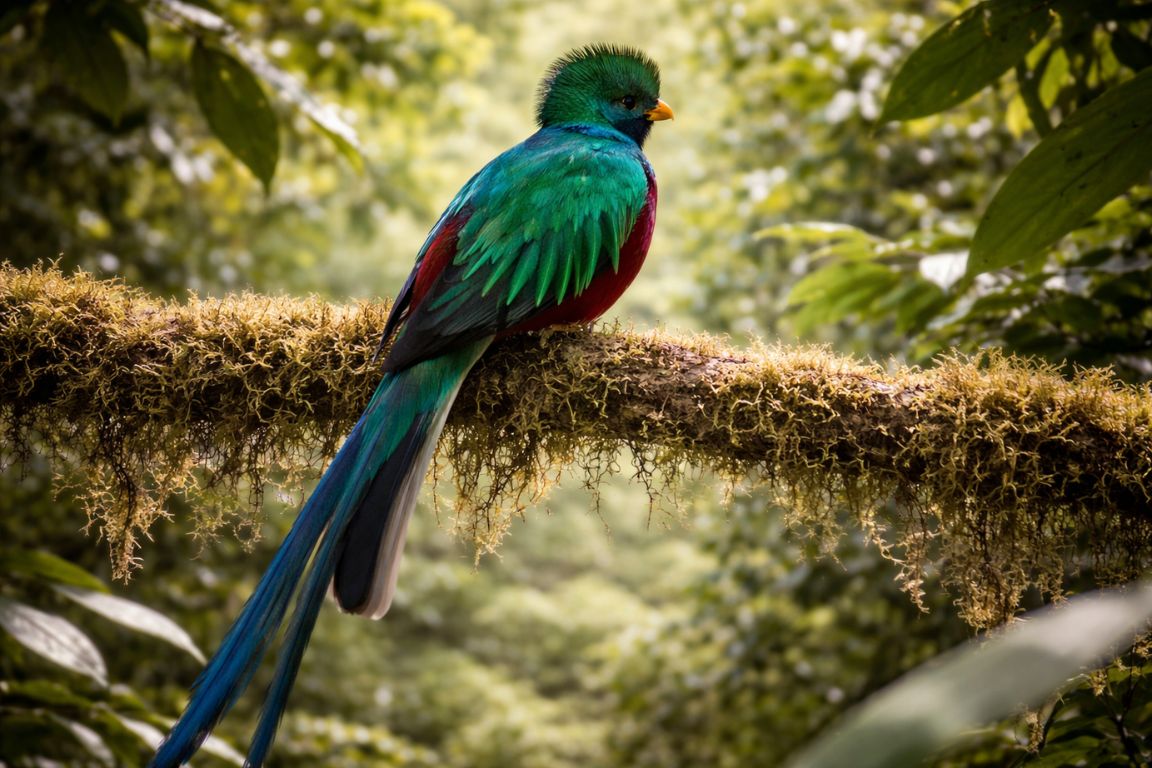 The reserve holds over 2,500 plant species, 500 bird species, 100 mammals, and 120 reptiles and amphibians. The headline species is the resplendent quetzal, present year-round but most reliably seen during the February through June breeding season. What the reserve’s biodiversity statistics cannot convey is that most of this life is not visible from the trail without a guide and a scope. The forest is not sparse – it is saturated with life that has learned to coexist with humans by staying hidden. The role of a skilled naturalist guide is to reverse that invisibility.
The resplendent quetzal is the species most travelers come specifically to see, and it deserves the reputation. The male in breeding season carries tail feathers up to 65 centimeters long, iridescent green fading to red on the belly, moving through the canopy with a distinctive undulating flight. The Mayans considered it a deity. National Geographic identified Monteverde as the best place on Earth to see it in 1983, which set off the wave of ecotourism that shaped the region. Outside February through June, the quetzal is present but not active at the surface – it moves through deep canopy and rarely comes low enough to see without specific knowledge of where to look.
White-faced capuchin monkeys move through the forest in social groups and are often seen along the Sendero Camino section of the Heart of Forest circuit in the morning. Howler monkeys are heard far more than seen – their call carries across several kilometers and is a regular presence in the early hours. Coatis, with their long banded tails and raccoon-like intelligence, are among the most commonly seen mammals, particularly in early morning along forest margins. Two-toed sloths are present throughout the canopy; a guide who spots one can hold the scope on it for minutes at a time, revealing an animal that spends most of its life in complete stillness.
The forest itself is half the experience regardless of what moves through it. Eight life zones exist across the reserve’s elevation range. The windward Pacific slope supports dwarf cloud forest with wind-sculpted trees barely reaching five meters. The Caribbean slope drops into taller, wetter forest with different species composition entirely. The Continental Divide trail crosses between these two worlds. Standing at La Ventana and looking simultaneously toward the Pacific and Caribbean is the only moment in Costa Rica where you can see both coasts from a single point on a clear day.
Wondering about wildlife chances? Check out our guide on the animals of Monteverde Cloud Forest – the dense canopy makes spotting harder than you’d think.
| Resplendent Quetzal | Low-Moderate (guide raises to Moderate-High) | Feb-Jun (breeding season) | Heart of Forest or Continental Divide | Yes, guide tracks fruiting trees with scope |
| Three-Wattled Bellbird | Low (heard more than seen) | Mar-Aug | Continental Divide (upper canopy) | Yes, call ID essential; scope needed |
| White-Faced Capuchin Monkey | Moderate | Year-round; peak dry season | Heart of Forest (Sendero Camino section) | Helpful – guide knows habitual routes |
| Two-Toed Sloth | Low (guide raises to Moderate) | Year-round | Any circuit | Yes, motionless in high canopy; scope needed |
| Coati | Moderate-High | Year-round; peak Feb-Mar with young | Any circuit; forest margins | Helpful but not essential |
| Emerald Toucanet | Moderate | Year-round | Any circuit | Helpful for ID |
| Hummingbirds (multiple species) | High (at gallery); Moderate (on trail) | Year-round | Free at hummingbird gallery before/after circuit | Not needed at gallery |
| Cloud Forest Orchids (500+ species) | High (with ID knowledge) | Dry season and Jun-Jul peak bloom | All circuits | Guide for identification |
Sighting likelihoods are approximate based on field observation. Wildlife encounters are never guaranteed. Verified March 2026.
What Should You Wear and Bring?
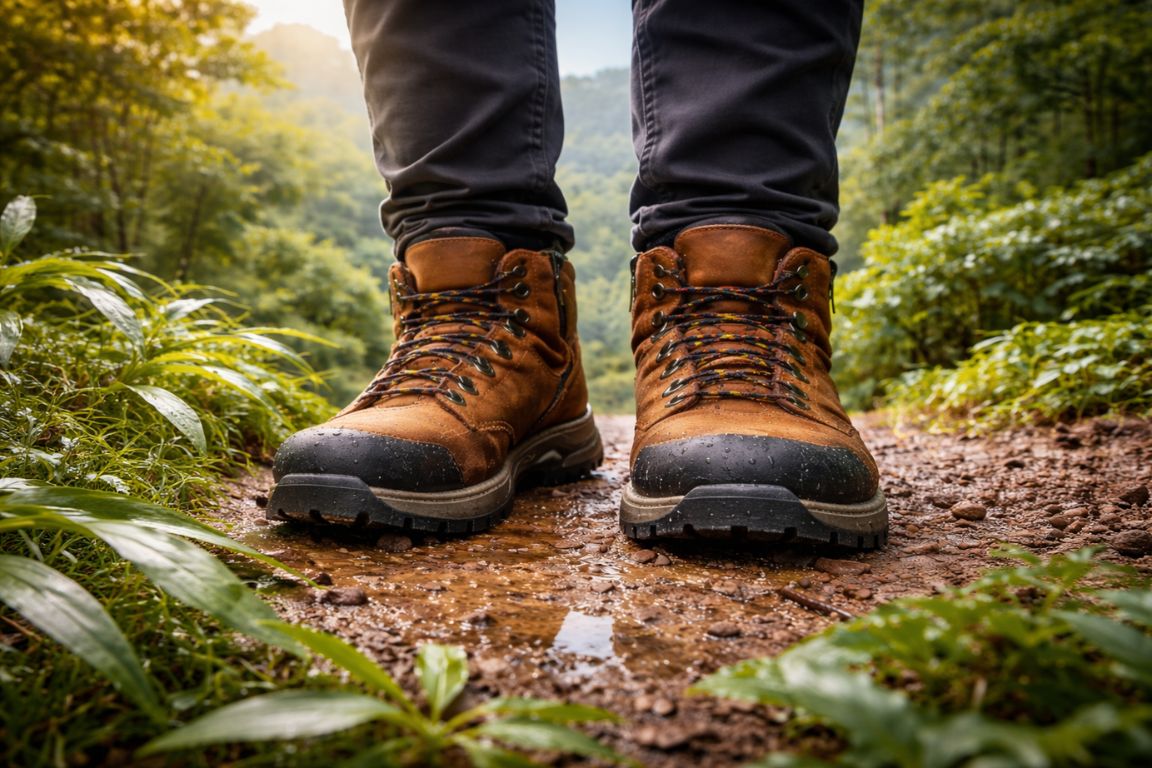 Pack for cool, wet conditions regardless of season. The cloud forest stays damp even on dry days because of horizontal mist. Average temperatures inside the reserve run 15-20°C (59-68°F) and feel cooler when the wind picks up at elevation. The minimum kit for a comfortable and productive visit: waterproof hiking boots or shoes, a waterproof jacket that folds into your pack, a warm mid-layer for early morning, and binoculars. Everything else is optional. Bug spray is largely unnecessary at this elevation. Insect activity is low compared to the lowland rainforests.
Footwear deserves specific attention. The trails in the reserve are well-maintained and do not require technical hiking boots. But they are uneven, root-crossed, and damp. Trail runners work in dry season. In wet season, waterproof shoes or boots make a meaningful difference. The section of the Continental Divide Trail that climbs to La Ventana involves loose stone and some steep steps where grip matters. Sandals and flip-flops are not adequate for any circuit.
For photography, a few practical notes. No flash photography is permitted anywhere in the reserve – it disturbs wildlife and is actively enforced. A lens with reach makes a significant difference for canopy birds. The forest light under mist is soft and diffuse, which is actually excellent for closeup plant photography but challenging for fast-moving birds without high ISO capability. A rain cover for your camera or a small waterproof bag for your phone is strongly recommended – the horizontal mist will find your gear.
No single-use plastic is permitted in the reserve. No food or drink consumption on the trails. The restaurant at the Visitors Center serves meals before and after your circuit. Water bottles are fine to carry on trail. There are bathrooms at the Visitors Center but none anywhere on the circuits – plan accordingly. Children in carriers are permitted on all circuits. Strollers are not practical on any circuit due to trail conditions.
We’ve detailed what to wear in Monteverde Cloud Forest tours because the cloud forest is damp, muddy, and cooler than you’d expect – but also not cold enough for heavy winter gear.
| Waterproof jacket / rain shell | Essential | Even on clear days; mist is constant; does not need to be heavy |
| Closed-toe waterproof shoes / hiking boots | Essential | Trail runners adequate in dry season; waterproof boots recommended May-Nov |
| Warm mid-layer (fleece or light down) | Essential (morning) | 7:30 AM start can be 14-16°C; feels colder in wind |
| Binoculars | Strongly recommended | 8×42 minimum; your guide has a spotting scope but binoculars add speed |
| Water bottle (reusable) | Essential | No single-use plastic permitted in reserve |
| Camera (with rain protection) | Recommended | No flash permitted; rain cover essential; bring reach for canopy birds |
| Light daypack | Recommended | For jacket, water, binoculars; keep it small – no bags larger than reserve size limits |
| Insect repellent | Optional | Low insect pressure at this elevation; bring for evening if staying in area |
| Sunscreen | Optional | UV index is high even under cloud; apply at trailhead if morning is clear |
What Are the Rules and Practical Details You Need to Know?
 The most consequential rule is the one that surprises visitors most: your reservation is forfeited with no refund if you are not at the Visitors Center in time for your shuttle. This is not softened by special circumstances – late shuttle, traffic, delayed taxi. The reserve’s system was redesigned in December 2025 specifically to protect the forest from crowding and to ensure every visitor has a quality experience. Late arrivals destabilize that system, so the policy is firm. Arrive 15 minutes before your booked time, every time, without exception.
The visitor capacity rules matter to understand for planning purposes. Only 250 people can be inside the reserve at any one time. The daily maximum is 450 visitors. During high season (December through April), the reserve can sell out days or weeks in advance. During Christmas week, New Year’s, and Easter, the first available slots may be a week or more out if you have not booked. Book before you leave home during these periods. During green season (May through November), availability is generally available with a few days’ notice, though weekends book faster than weekdays.
A practical note on the Visitors Center location that confuses first-time visitors: the address on your booking confirmation leads to the Visitors Center, which is 1.6 kilometers below the actual reserve entrance. The shuttle from the Visitors Center to the trailhead is complimentary and runs based on the circuit schedule. Do not try to drive directly to the reserve entrance – the free parking is at the Visitors Center, and the shuttle is the correct way to reach the trailhead. Park at the Visitors Center, check in at reception, wait for your shuttle.
No food or drink on the trails. No removing plants, flowers, or rocks. No leaving the marked circuit. Flash photography strictly prohibited. Keep noise low – the reserve’s value as a wildlife habitat depends on how quietly visitors move through it. Groups with guides follow the guide’s pace. Self-guided visitors should move slowly, stop often, and resist the temptation to complete the circuit as fast as possible. The animals do not come to people who rush.
| Where to check in | Visitors Center, 1.6 km below reserve entrance – NOT at the reserve gate |
| Shuttle to trailhead | Complimentary; departs exactly at your booked time; no exceptions for late arrivals |
| Restrooms | Available at Visitors Center only – none on circuits; plan before your shuttle |
| Food and drink | Not permitted on trails; restaurant at Visitors Center open 7 AM – 4 PM |
| Photography rules | No flash permitted anywhere in the reserve |
| Plastic | No single-use plastic permitted in the reserve |
| Getting there from Santa Elena | Local bus (~$3 each way); taxi (~$8-$12 each way); or private transport |
| Parking | Free at Visitors Center; do not park at reserve entrance |
| If you miss your slot | Return to the Visitors Center and speak to reception – same-day availability for a later slot is sometimes possible if there are cancellations, but is not guaranteed |
| Night walk | Separate product from day circuits; different booking; check cloudforestmonteverde.com for availability |
| Buying multiple circuits | Possible – book a different circuit at a different time slot; same-day bookings for a second circuit require availability |
Rules current as of March 2026. Always verify at cloudforestmonteverde.com before your visit, as regulations are subject to change.
Frequently Asked Questions
Can you visit the Monteverde Cloud Forest Reserve without booking in advance?
In low season (May through November), same-day or next-day availability is often possible, particularly on weekdays. In high season (December through April) and especially around Christmas, New Year, and Easter, the reserve sells out days to weeks in advance. The safe approach regardless of season is to book before you arrive in Monteverde. Walk-up availability cannot be assumed, and losing a day in Monteverde because the reserve is sold out is one of the most common preventable mistakes we see.
What is the difference between the Monteverde Cloud Forest Reserve and Curi-Cancha Reserve?
The Monteverde Cloud Forest Reserve is larger (10,500 hectares vs. a few hundred), has better trail infrastructure including the hanging bridge, and is more formally managed. Curi-Cancha is smaller, quieter, less visited, and widely considered the better dedicated location for quetzal spotting during breeding season due to its smaller guide-to-visitor ratio and specific access to known fruiting avocado trees. Many serious birders visit both. If the quetzal is your primary goal, start at Curi-Cancha in the early morning, then visit the Cloud Forest Reserve afterward.
How far in advance should you book the Monteverde Cloud Forest Reserve?
Christmas through New Year: book 4-6 weeks in advance, ideally before you finalize flights. Easter week: 3-4 weeks in advance. General high season (January through April): 1-3 weeks in advance depending on how important your preferred time slot is. Green season (May through November): a few days is usually sufficient, though weekends book faster. The first morning slot (7:30 AM) books faster than later slots at any time of year.
Is the Monteverde Cloud Forest Reserve suitable for children?
Yes, with circuit selection. The Essence Trail (1.4 km, easy) is the right choice for families with children under eight or with children who are not experienced hikers. The Heart of Forest Trail is manageable for children aged eight and up in reasonable fitness. The Continental Divide Trail’s steep La Ventana section is physically demanding and not ideal for young children. Children under five enter free. The hummingbird gallery at the Visitors Center is one of the best wildlife experiences in Monteverde for young children – dozens of hummingbirds feeding at close range with no trail walking involved.
What happens if it rains during your visit?
The visit continues. Rain does not close the circuits or cancel your slot. The reserve operates year-round in all weather conditions. A rain jacket is required kit – not optional. Moderate rain actually enhances the experience in some ways: the mist thickens, the moss glows, and the waterfall sounds increase. Heavy ongoing rain reduces wildlife sightings and makes canopy viewing difficult, but the forest itself is unchanged. If you are arriving for a morning slot and it rained the night before, that is generally good – the trails are fresh, the air is clear, and amphibians are active along trail margins.
Is the hummingbird gallery included in the reserve entry?
Yes. The hummingbird gallery at the Visitors Center is included with your circuit ticket at no additional cost. It features multiple species of hummingbirds at close-range feeders and is one of the most reliably spectacular wildlife experiences at the reserve – arguably better for hummingbird photography than anything you will find on the trail circuits themselves. Plan time before your shuttle or after you return from your circuit. The café nearby, Café Colibrí, is also worth stopping at for coffee before a morning circuit.
Ready to visit the Monteverde Cloud Forest Reserve? A 3-hour guided cloud forest walk is the listing to check first; add hotel pickup if you do not want to time a taxi to the Visitors Center. Whether it’s your first time or you’re coming back specifically for the quetzal, start with a guided cloud forest walk and match it to an early circuit slot.
Choose Your Monteverde Experience
An editorial starting point, before you enter preferences. Confirm dates, party requirements and extras.
Monteverde Reserve Naturalist Walk
Check your travel date before arranging the rest of this outing. Explore the main reserve with a naturalist and shared spotting scope.
2–3 hours; English/Spanish. Meet at the reserve reception; reserve admission and hotel transport cost extra. Listed ages 3–90, minimum two travellers; confirm the circuit before buying admission.
Choose a date for Viator scheduled departures. Final availability and price are confirmed on Viator.
Choose only what matters. Missing answers keep the recommendation provisional. Individual suitability and exact pickup still need confirmation.
| Monteverde Reserve Naturalist Walk | Explore the main reserve with a naturalist and shared spotting scope. 2–3 hours; English/Spanish. Meet at the reserve reception; reserve admission and hotel transport cost extra. Listed ages 3–90, minimum two travellers; confirm the circuit before buying admission. |
|---|---|
| Private Santa Elena Reserve Walk | Explore Santa Elena’s dense cloud forest with a certified naturalist. 3 hours; English/Spanish. Meet at Santa Elena Reserve; admission and transportation are extra. Ages 6–99, moderate fitness; provider excludes pregnancy and certain back/heart conditions. |
| Curi-Cancha Cloud And Transitional Forest Walk | Discover cloud and transitional forest with a guide and spotting scope. 2.5 hours; English/Spanish, maximum eight. This visits Curi-Cancha, not Monteverde Reserve. Admission is extra; arrange your meeting-point transport. Not suitable under six or with mobility impairments. |
Compare Your Group’s Costs
Enter your own quotes in the same currency for the same people. Include admission, transport and fees on both sides. These are your totals, not live tour prices.
Enter both totals to compare the cost of your independent plan with the guided experience.