Monteverde Birding Guide: Where and When to Spot the Resplendent Quetzal
The quetzal is not hiding. It is sitting motionless in green light, sixty metres up, near a fruiting tree that changes week to week. Timing and a scope do the rest.
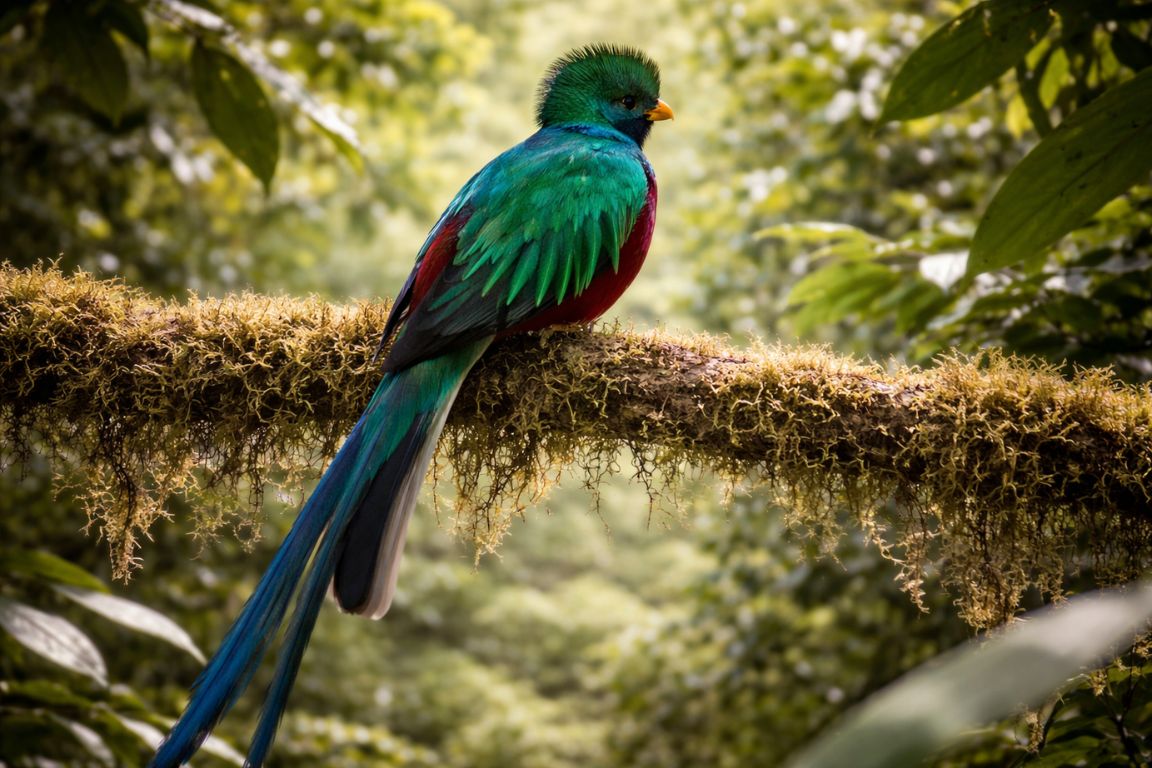
Monteverde has been a serious birding destination since long before it was a tourist one. A National Geographic feature in 1983 named it the best place on earth to see a resplendent quetzal, and the ecotourism wave that followed built the town you now drive through. More than 400 bird species live here, ten of them globally endangered because cloud forest habitat has been cut into fragments worldwide.
Our wildlife guide covers what lives in the forest species by species. This one is about the trip planning: when to come, when to get up, where to stand, and what actually moves the odds.
Give birding its own morning if identification is your priority. A scope and specialist guide add value without guaranteeing a quetzal.
Booking Choice. Spend three hours birding with a specialist and a high-definition scope. Explore Curi-Cancha Quetzal Search
When is the best time of year to see a resplendent quetzal?
Late February through June, with March and April the most reliable window. That is breeding season, when males are active at the surface, calling, performing display flights and holding territory around nesting trees. Outside it the birds are still resident but far harder to find.
The seasonal pattern matters more than the weather forecast, and this is where a lot of trips go wrong. Travellers book January for the clear skies, then leave disappointed. January has excellent visibility and quiet quetzals. May and June are the underrated pick: the birds are still active, the crowds have thinned, rates drop, and the afternoon rain does not touch a dawn start. From roughly September through November the quetzals move down to lower elevations altogether, and honest guides will tell you so before you book.
| Window | Quetzal odds | Other birding notes |
|---|---|---|
| December to mid-February | Low to moderate, early activity building | Windy season; clear light but quieter canopy |
| Late February to April | Best of the year | Peak breeding activity; reserve slots sell out well ahead |
| May to June | Still strong | Bellbirds in full voice; fewer visitors, lower rates |
| July to August | Declining | Bellbird season winding down; amphibians and insects peak |
| September to November | Poor | Quetzals mostly moved to lower elevations; wettest months |
What time of day should you be on the trail?
Between 6 and 9 AM. That is when quetzals feed and call, and when the whole forest is loudest. By mid-morning the activity drops off sharply, and an 11 AM start is a walk in a beautiful forest rather than a birding session.
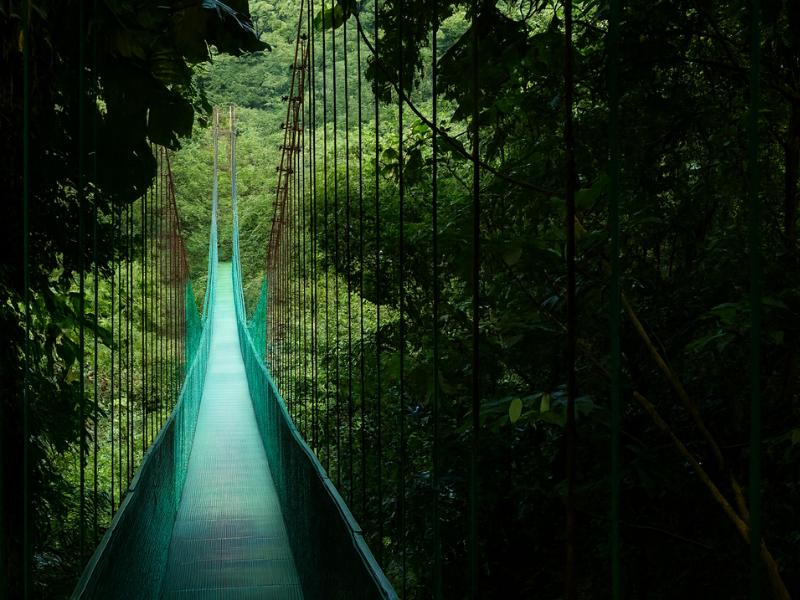
Plan the logistics around that, because they fight you a little. The Monteverde reserve opens at 7 AM, so the earliest circuit slot is the one to book, and slots are capped at 26 people and sell out days or weeks ahead in high season. Late arrivals forfeit with no refund. Curi-Cancha opens at 7 AM too and closes earlier, at 3 PM, which tells you something about where the day's value sits. If your lodge is out along the forest road rather than in Santa Elena, you are already closer to the trailhead at first light, which is a small advantage that compounds across three mornings.
Where in Monteverde are the odds best?
The Monteverde reserve and Curi-Cancha are the two names birders keep coming back to, with Curi-Cancha in particular carrying a strong reputation for quetzals in small groups. But the honest answer is not a trail. It is whichever wild avocado trees are fruiting that week, and that moves.
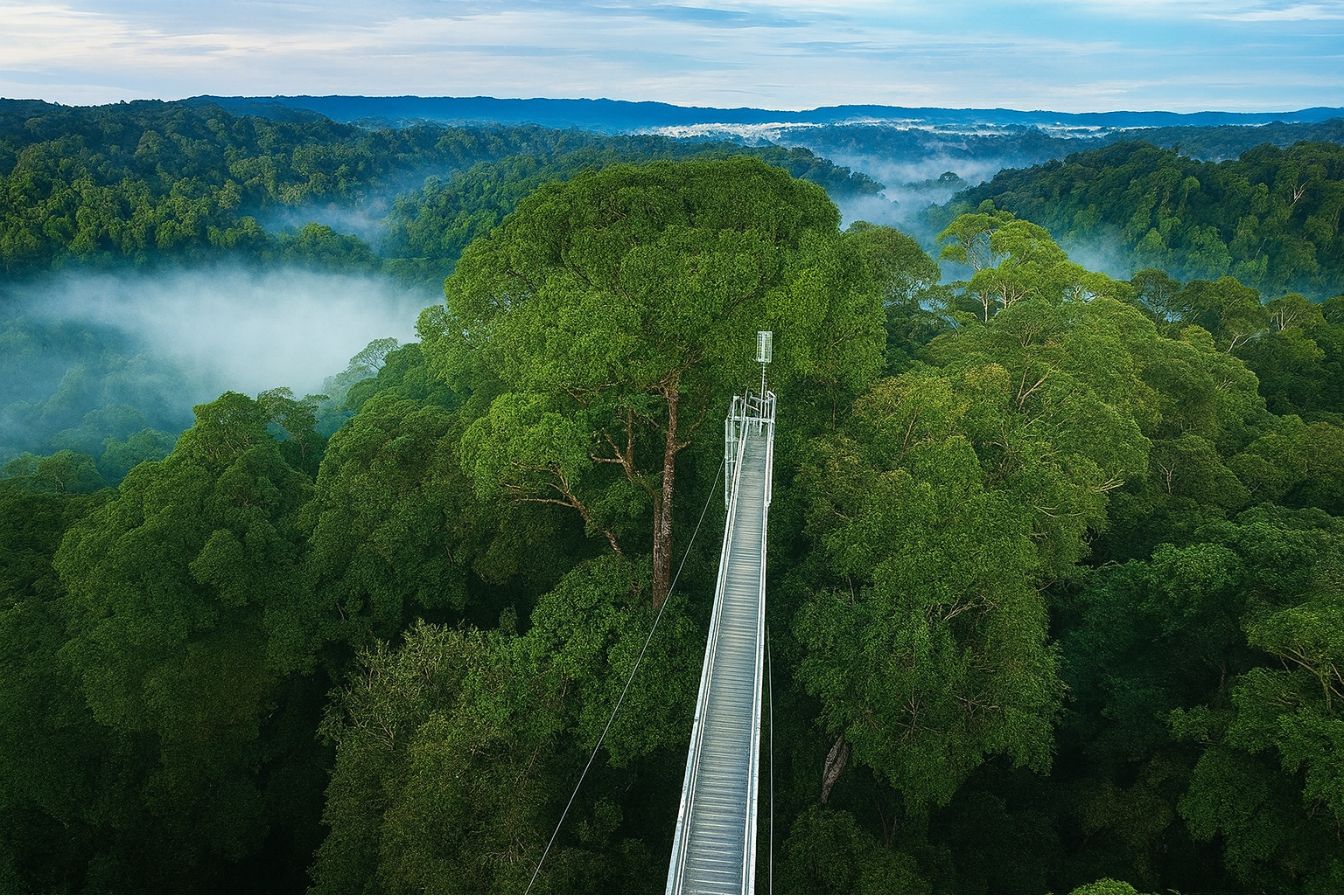
Quetzals feed heavily on wild avocado, swallowing the fruit whole, and they orbit whatever is producing. A guide who walked the same ground yesterday knows where that is. A map does not. Within the main reserve the longer circuits give you more canopy time: the 2.8 km Heart of Forest Trail and the 4.1 km Continental Divide Trail both put you under more forest than the short Essence circuit, though all three run through good habitat. Santa Elena sits higher, feels wilder, takes walk-ins with no booking, and has an observation tower that on a clear morning looks across to Arenal.
| Site | Adult entry | Booking | Birding character |
|---|---|---|---|
| Monteverde Cloud Forest Reserve | $29 | Required, timed circuit slots | Highest species variety; 10,500 hectares; best infrastructure |
| Curi-Cancha Reserve | About $20 | Recommended | Strong quetzal reputation, small groups, closes 3 PM |
| Santa Elena Reserve | $18 | Walk-in accepted | Higher, quieter, 310 hectares, observation tower |
| Hummingbird Gallery | Free with reserve entry | None | 14 hummingbird species at feeders, no walking required |
Entry prices verified March 2026. Book reserve slots at the official reserve site.
Does a guide meaningfully improve your odds?
Yes, and this is the one place where the difference is not marginal. Guides carry spotting scopes and they know which feeding trees are active this week. Self-guided visitors walk past birds that a scope turns into a five minute view.
The gap is mechanical rather than mystical. A perched quetzal is motionless, iridescent green, and sixty metres up in green light. Without magnification it is indistinguishable from foliage until it flies, at which point you have missed it. Through a scope you watch it swallow an avocado whole. The same applies to sloths, to owls, and to anything that survives by not being seen. The naturalists we work with build their morning around whichever trees produced yesterday, which is knowledge that expires and cannot be published. Nobody guarantees a sighting, and anyone who does is selling something. In peak season with a scope and an early start, though, the odds are genuinely good.
Which other birds are worth planning around?
The three-wattled bellbird is the second draw, calling from roughly March through August with a metallic note that carries for kilometres. Add the violet sabrewing, the emerald toucanet and the bare-necked umbrellabird, and the hummingbird feeders that most visitors treat as an afterthought.
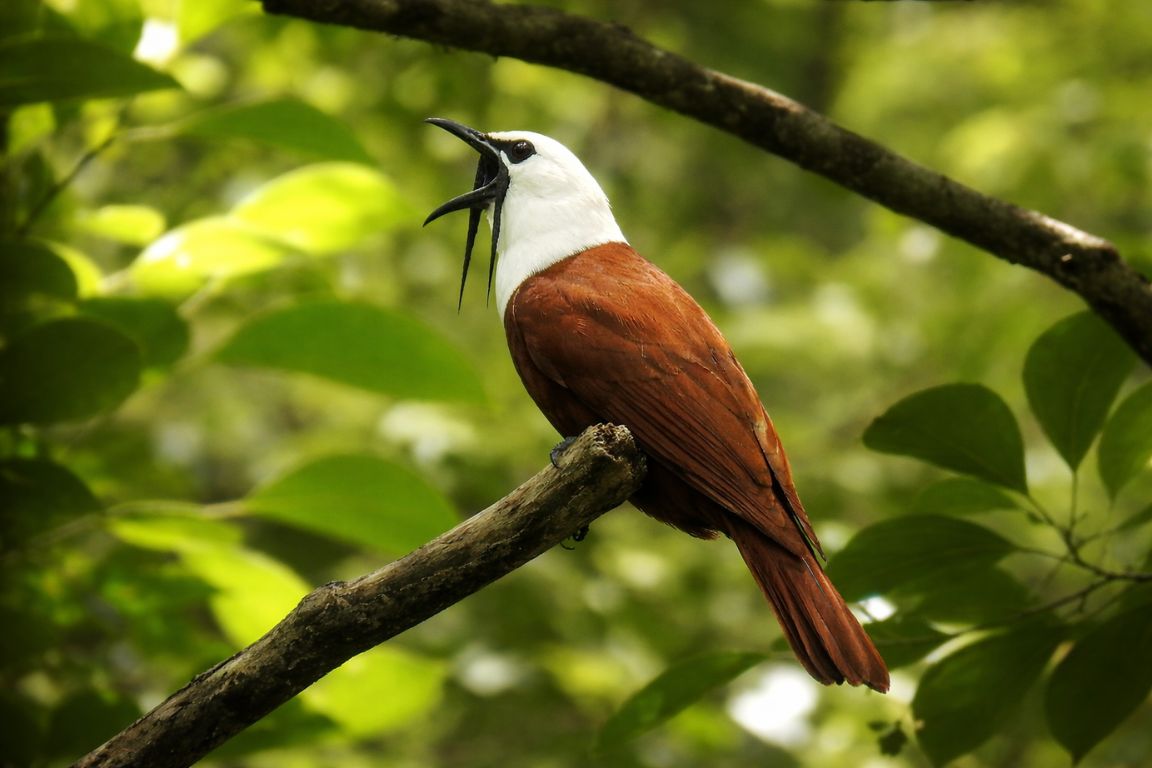
The bellbird is heard far more than it is seen. Males grow three long wattles from the bill in breeding season and gather in leks where they call for hours, and most visitors have no idea what the sound is until someone tells them. Hummingbirds are the opposite: completely reliable, at arm's length, no fieldcraft required. Fourteen species visit the gallery feeders near the reserve entrance, and it is included with entry. Serious birders sometimes skip it on principle and then stand there for forty minutes anyway. The full species picture, including mammals and amphibians, sits in our guide to the animals of Monteverde.
What do first-time birders here get wrong?
Three things: sleeping in, dressing for a beach country, and treating a grey morning as a write-off. Cloud is the normal state of a cloud forest, and the birds carry on regardless. Some of the best sightings happen in weather that sends other visitors back to the car park.
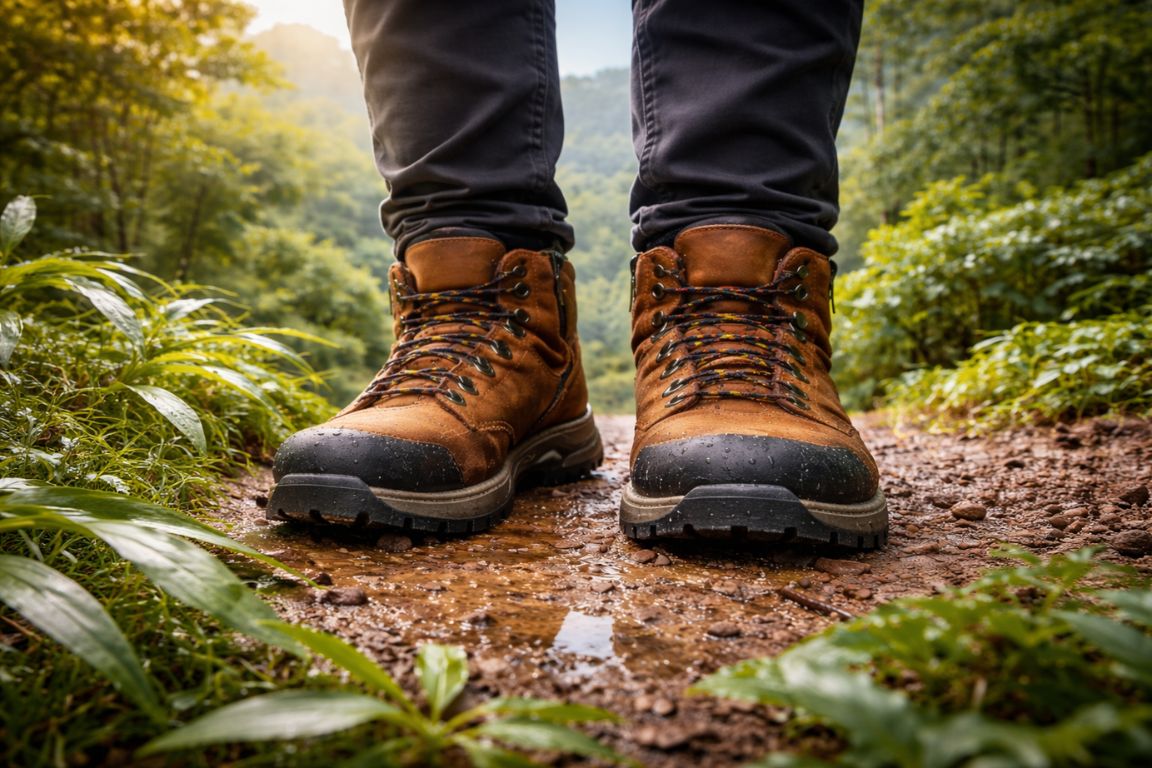
Bring binoculars if you own a pair, or rent from your guide. Wear neutral or dark colours rather than bright ones, and take a waterproof shell plus a warm mid-layer, because standing still at 1,400 metres in wind is colder than walking. Then slow down. The quiet twenty minutes at the trailhead, before anyone starts moving, is when somebody in the group usually spots the bird. It is the one part of birding that no scope or guide can do on your behalf. If you want a naturalist and a scope handling the rest, our guided walk lineup is built around exactly this window.
Choose Your Birding Morning
An editorial starting point, before you enter preferences. Confirm dates, party requirements and extras.
Curi-Cancha Quetzal Search
Check your travel date before arranging the rest of this outing. Spend three hours birding with a specialist and a high-definition scope.
3 hours; English/Spanish. Curi-Cancha entry is extra. Transport is included only in the transport option. Birds are wild; no quetzal sighting is guaranteed.
Choose a date for Viator scheduled departures. Final availability and price are confirmed on Viator.
Choose only what matters. Missing answers keep the recommendation provisional. Individual suitability and exact pickup still need confirmation.
| Curi-Cancha Quetzal Search | Spend three hours birding with a specialist and a high-definition scope. 3 hours; English/Spanish. Curi-Cancha entry is extra. Transport is included only in the transport option. Birds are wild; no quetzal sighting is guaranteed. |
|---|---|
| Curi-Cancha Cloud And Transitional Forest Walk | Discover cloud and transitional forest with a guide and spotting scope. 2.5 hours; English/Spanish, maximum eight. This visits Curi-Cancha, not Monteverde Reserve. Admission is extra; arrange your meeting-point transport. Not suitable under six or with mobility impairments. |
| Monteverde Reserve Naturalist Walk | Explore the main reserve with a naturalist and shared spotting scope. 2–3 hours; English/Spanish. Meet at the reserve reception; reserve admission and hotel transport cost extra. Listed ages 3–90, minimum two travellers; confirm the circuit before buying admission. |
Compare Your Group’s Costs
Enter your own quotes in the same currency for the same people. Include admission, transport and fees on both sides. These are your totals, not live tour prices.
Enter both totals to compare the cost of your independent plan with the guided experience.